
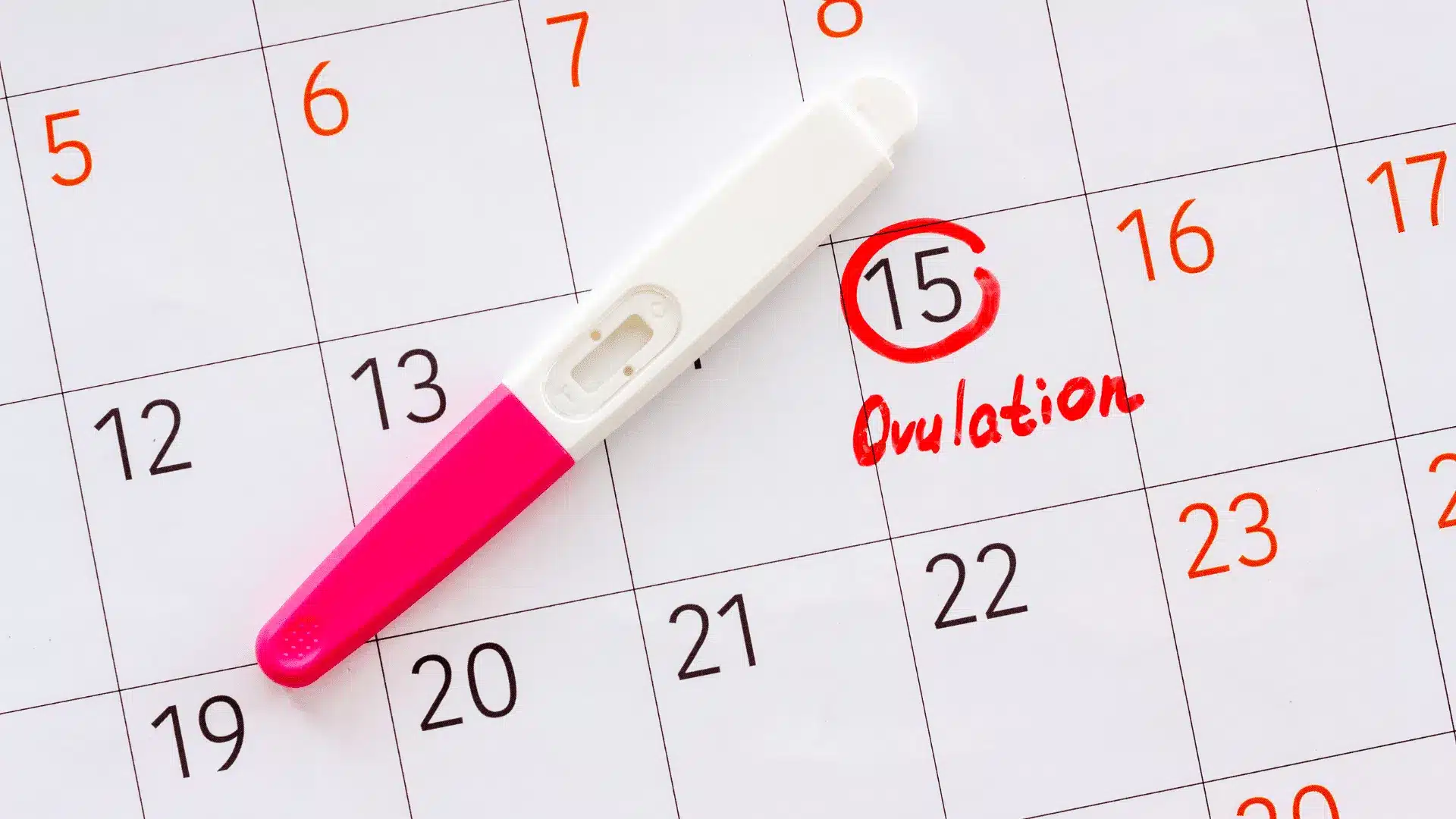
The average length of a menstrual cycle is 28 days, but some cycles may last between 21-38 days. Depending on the length of their menstrual cycle, most women will ovulate (release of an egg from the ovary) 10–16 days before their period. Late ovulation occurs later than the average mid-point of a menstrual cycle, typically after day 21 in a standard 28-day cycle, meaning close to the onset of their next menstrual period.
The length of a menstrual cycle and, therefore, the timing of ovulation may fluctuate on occasion and should not be a cause for concern. Continuous, prolonged or irregular cycles, or no menses for several months at a time (not ovulating every cycle) should be investigated, especially if trying to conceive.
🔎 What is Late Ovulation
“Normal” ovulation usually occurs about 10–16 days before the next period (commonly ~day 14 in a 28-day cycle). Late ovulation means the egg is released much later in the cycle, sometimes near the next period or in a cycle longer than average. People with naturally longer or irregular cycles, or those experiencing cycle disruption, may ovulate later or may skip ovulation in some cycles.
✅ Common Causes of Late Ovulation
Several factors can delay ovulation, sometimes temporarily, sometimes longer-term. Key causes include:
• Breastfeeding: Exclusive breastfeeding often delays return of regular ovulation because of elevated prolactin and hormonal suppression.
• Elevated prolactin levels (Hyperprolactinemia): High prolactin, sometimes due to certain medications or non-cancer pituitary conditions, can suppress the hormonal signals needed for ovulation.
• Medications or substance use: Some drugs, including certain anti-inflammatories, cannabis and other substances, may interfere with ovulation timing.
• Polycystic Ovary Syndrome (PCOS): A leading cause, PCOS affects hormone levels and ovulation, often causing irregular or delayed ovulation.
• Hypothyroidism (or thyroid disorders): Low or unbalanced thyroid hormone levels interfere with the reproductive hormone cascade, delaying ovulation.
• Physical or emotional stress: Severe stress (illness, trauma, major life events) can disrupt the hormonal systems that trigger ovulation.
🌙 How Late Ovulation Affects Periods & Fertility
• If ovulation is delayed, the menstrual cycle becomes longer and less predictable, making it harder to know when the fertile window occurs.
• Irregular ovulation or late ovulation are among the most common causes of infertility.
• Menstruation after late ovulation can be heavier than usual because the uterine lining builds up under prolonged oestrogen exposure before progesterone can stabilise it (since ovulation is late).
However, importantly, late ovulation does not always mean you can’t conceive. Many people with delayed cycles do end up conceiving naturally; success often depends on how consistently ovulation occurs and whether there are underlying conditions.
👩⚕️ When to See a Doctor
Because late ovulation may signal underlying hormonal or reproductive issues, early medical evaluation can help identify treatable causes and improve fertility outcomes. Seek guidance if:
- Your menstrual cycles are consistently shorter than 21 days or longer than 40 days
- Periods suddenly become irregular
- Periods stop entirely for a while
- You experience very heavy bleeding or severe menstrual pain
- You have known hormonal conditions like PCOS, thyroid issues, or high prolactin
- You’ve been trying to conceive for a prolonged time without success, especially if you’re over 35
🧭 Key Takeaways
Late ovulation is fairly common and can happen occasionally, especially with stress, cycle changes, or lifestyle disruption.
- While it can make conception more challenging (because timing becomes unpredictable), late ovulation doesn’t automatically prevent pregnancy. Proper tracking (via ovulation predictor kits, physician guidance, etc.) and treatment (if needed) can help.
- Persistent delayed or absent ovulation isn’t “just life stress”; it can be caused by hormonal or medical conditions like PCOS, thyroid disease, or elevated prolactin.
- For anyone trying to get pregnant or concerned about irregular cycles, especially if age is a factor, it is wise to monitor cycles carefully and consult a healthcare provider if late ovulation becomes recurrent or cycles remain unpredictable.
Causes of late ovulation include stress, hormonal imbalances, breastfeeding, certain medications, thyroid disorders, or conditions like polycystic ovary syndrome (PCOS). Identifying and addressing underlying factors with medical guidance and treatment can help regulate ovulation and improve your chances for conception.
Read more about this in this article by Medical News Today and reach out to us here or book a consultation for assessment and guidance from our Fertility Experts.
