
Anabolic steroids and prescribed testosterone can sharply reduce sperm count, sometimes to zero, but stopping use often restores fertility over time.

Anabolic steroids and prescribed testosterone can sharply reduce sperm count, sometimes to zero, but stopping use often restores fertility over time.

Oligospermia (low sperm count) is often symptomless, found via semen testing, and treatable. Learn diagnosis and when to see a doctor.

Male fertility is affected by age and lifestyle factors; healthy habits can improve sperm quality within 3 months and boost pregnancy chances.
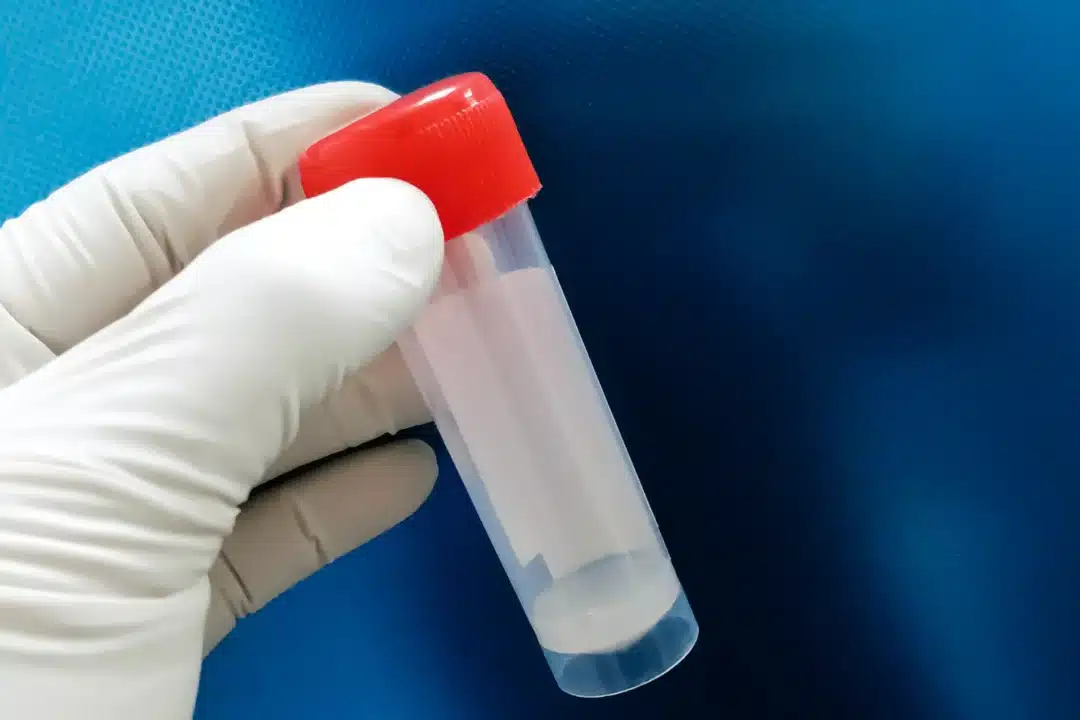
Semen analysis assesses sperm quantity and quality to help identify male infertility; results guide on further testing and treatment.

New research shows a father’s drinking before conception may affect baby development, highlighting the need for both parents to reduce alcohol.

Optimising male fertility involves a combination of a balanced diet and targeted supplementation. Specific vitamins, minerals, and nutrients can enhance sperm health and overall reproductive function. Some top-recommended fertility supplements for men according to Parents.com, the brands for which may be reviewed for the same content in your country, include: Natalist Male Prenatal Daily Packets:...
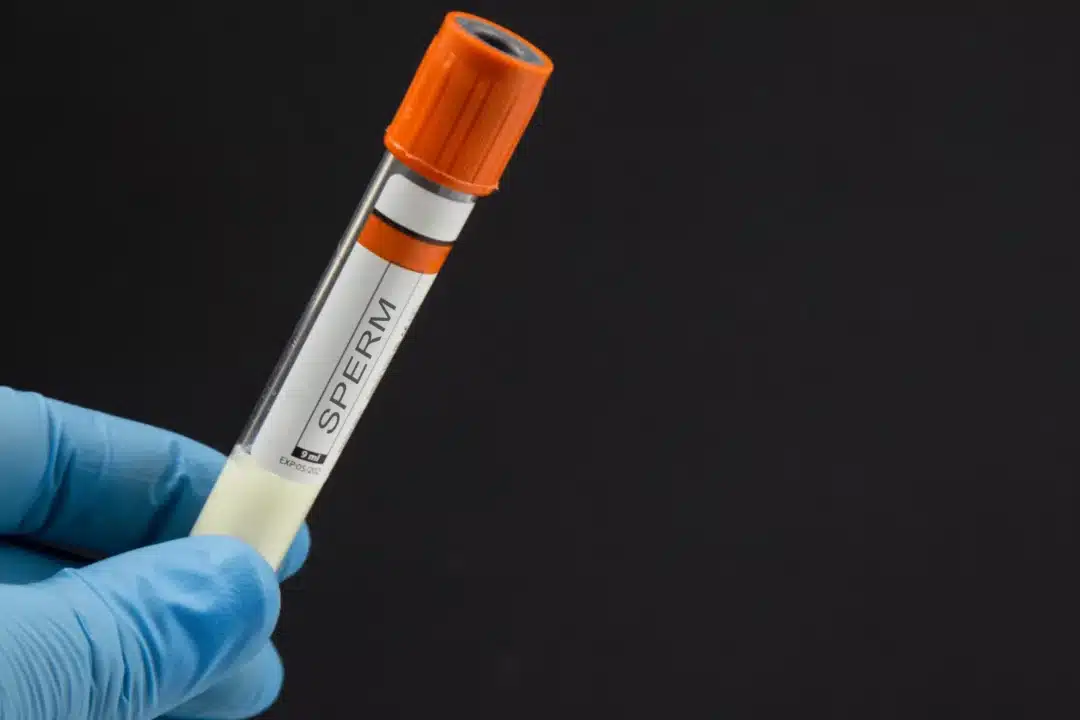
The main reason men should consider preserving fertility is a diagnosis that might impact their future ability to reproduce.

Varicoceles are enlarged scrotal veins affecting ~20% of men; often painless but linked to low testosterone and infertility. Surgery may improve fertility.

Male infertility may result from sperm, hormonal, genetic or lifestyle factors, with diagnoses and treatments tailored to individual causes.

Men can have hormone imbalances causing fatigue, weight, mood and sexual issues; diagnosis and lifestyle or medical aid can help restore balance.

Get in touch today to learn more about how you can start your fertility journey.