
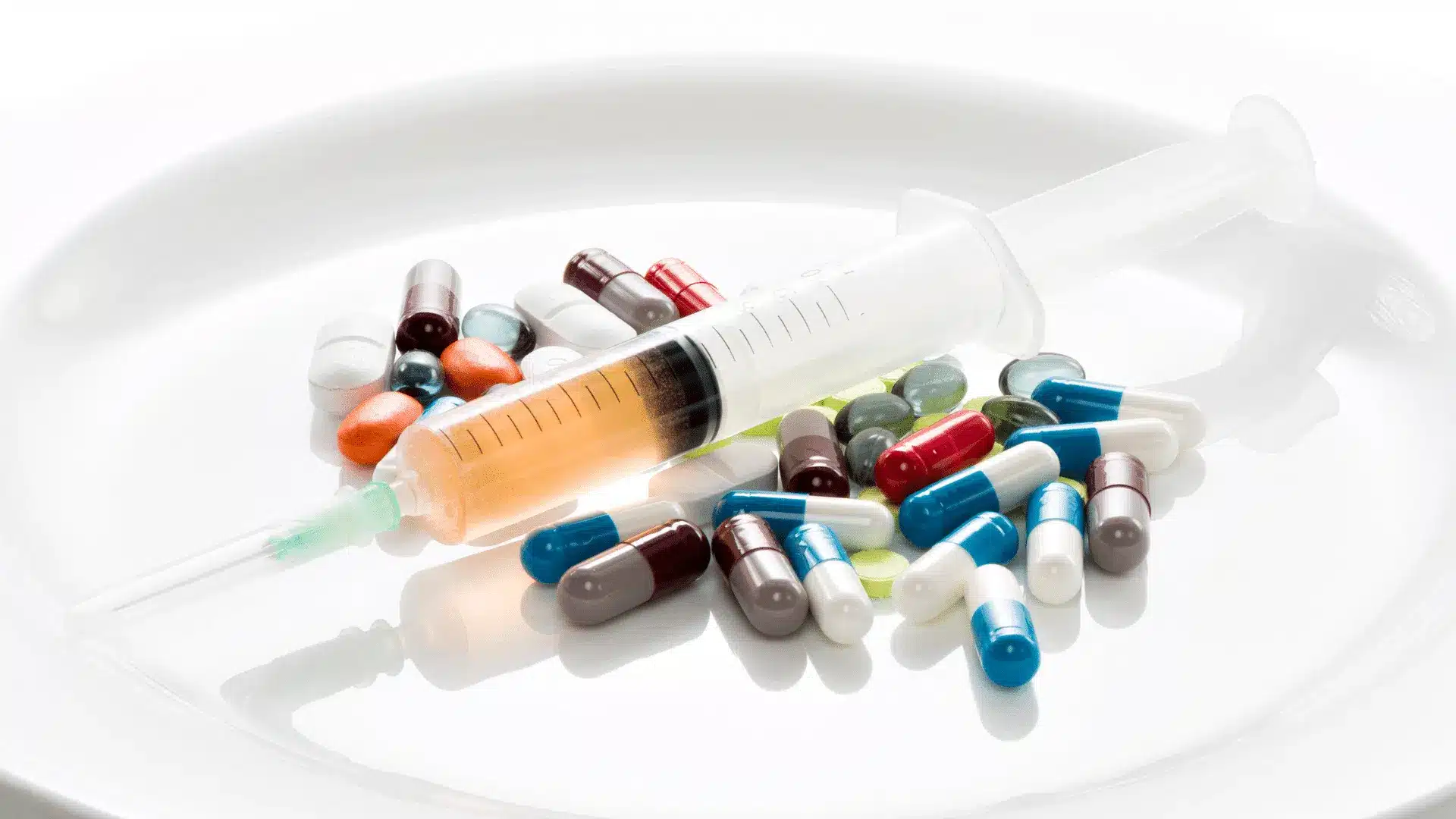
Steroid use, particularly anabolic steroids as well as prescribed testosterone, can drastically reduce sperm count in men, sometimes even to zero. This occurs because the introduction of steroids or prescription testosterone mimics high testosterone levels, signalling the brain to reduce its natural production. Consequently, the testicles receive less stimulation, leading to decreased sperm production and potential testicular shrinkage. Sperm production typically recovers within three months of discontinuing steroid use. However, for long-term users, the recovery period might extend beyond this timeframe.
Anabolic steroid use is a common and often overlooked cause of male infertility. Many men take steroids to increase muscle mass, strength, or athletic performance without realising that these substances can dramatically reduce sperm production and, in some cases, cause sperm counts to drop to zero. These steroids essentially act like a form of “male birth control.” As a result, users may develop very low sperm counts or a complete absence of sperm in semen (azoospermia) and, in the long run, shrinkage of the testicles (testicular atrophy).
How Steroids Cause Infertility
The body normally regulates testosterone production through communication between the brain and the testicles. When a man takes anabolic steroids or testosterone from an external source:
- The brain detects high levels of testosterone in the bloodstream
- It assumes the body is already producing enough testosterone
- The brain reduces the hormonal signals that normally stimulate the testicles
- The testicles decrease or stop producing testosterone internally
- Sperm production falls dramatically because sperm development depends on those hormonal signals
Other Health Risks of Steroid Use
Fertility problems are only one of several potential consequences of anabolic steroid use. Additional risks include acne, breast development or enlargement (gynaecomastia), problems with the liver, and increased risk of heart attack and stroke. Some of these health effects may be permanent or difficult to reverse.
Steroid-Induced Infertility is Often Reversible
Many men begin sperm production again after discontinuing steroids. It usually takes up to 3 months to begin seeing sperm in semen, but men who have used steroids for long periods may require a year or more to recover fully. Recovery time varies by individual and is also dependent on:
- Duration of steroid use
- Dosage of steroid use
- A person’s overall reproductive health
Prescription Testosterone and Fertility
Prescription testosterone therapy can impair fertility just like anabolic steroids. Some men receive testosterone treatment from physicians because they have clinically low testosterone levels. While this may be appropriate for treating symptoms of low testosterone, the added testosterone can still suppress the body’s fertility system and cause sperm counts to fall significantly.
Men who have low testosterone and want to father children should discuss fertility-preserving alternatives with their doctor rather than assuming testosterone replacement therapy is harmless for reproduction.
Key takeaways
Many cases of steroid-related male infertility are preventable and often treatable. Men using anabolic steroids or testosterone should understand that these substances can significantly suppress sperm production and delay conception. Early recognition and stopping steroid use can substantially improve the chances of fertility recovery.
This article by the Texas Fertility Center, gives more insight into the impact of steroids on male fertility.
