Breastfeeding after IVF is generally possible. IVF doesn’t affect milk supply; though age, health, stress, and complications may need extra support.
Helping you build the family you’ve always wanted
Breastfeeding after IVF is generally possible. IVF doesn’t affect milk supply; though age, health, stress, and complications may need extra support.
Talk about infertility early with honesty, facts, teamwork, safe sex, support, and patience; treat it as a shared challenge.
Waiting 4 to 6 weeks after a failed IVF cycle to recover physically and emotionally, is common, but varies based individual circumstances.
IVF can be emotionally overwhelming, but support, self-care, knowledge, and open communication can help build resilience during treatment.
Mother’s Day can intensify infertility grief; all feelings are valid. Focus on self-compassion, boundaries, and support rather than forcing positivity.
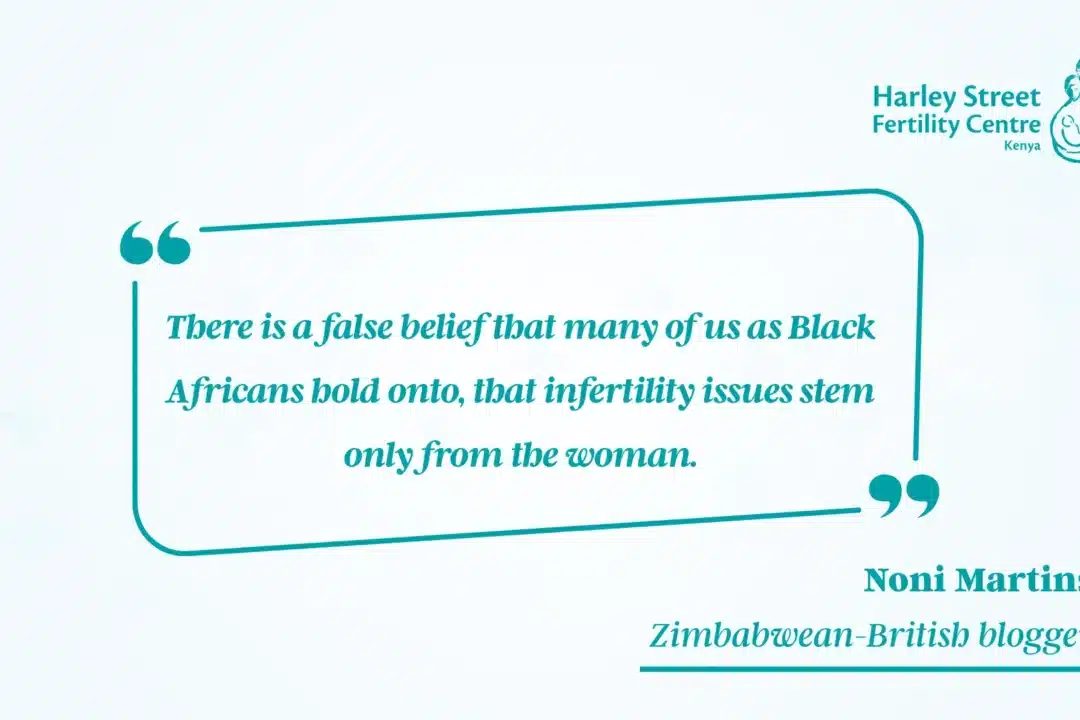
Noni Martins shares how cultural stigma led to self-blame, later revealed as male-factor infertility; highlighting emotional and relational tolls.
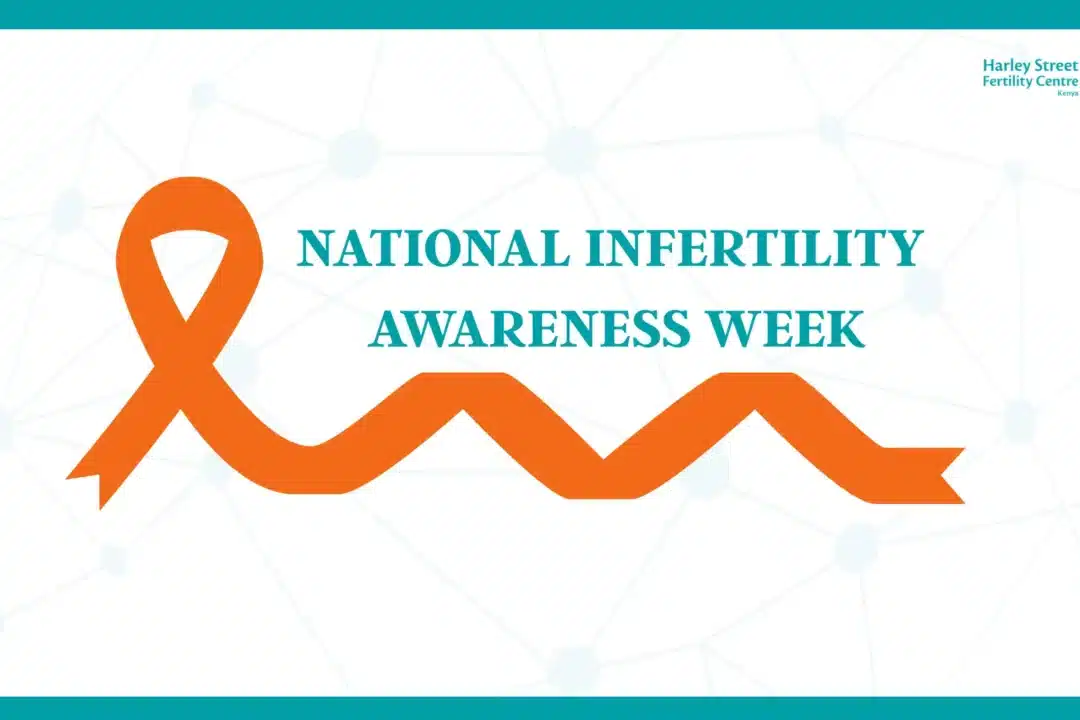
National Infertility Awareness Week, held the last full week of April, turns orange to educate, empower and support everyone affected by infertility.
Balancing IVF processes and a career requires a combination of logistical planning, clear communication, and self-care boundaries to prevent burnout.
Infertility can trigger depression, while depression—through stress, low libido or some antidepressants—can also dampen fertility.
Trying to conceive can be challenging; prioritising self-care, seeking support and managing expectations by staying informed are ways of helping yourself.