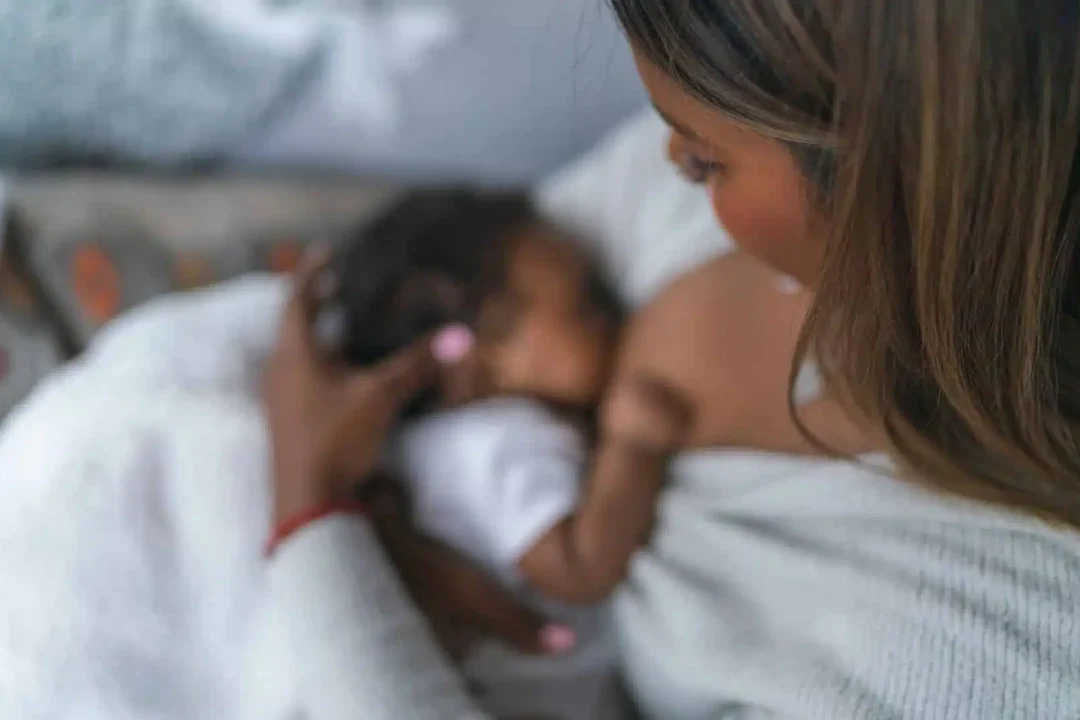
Breastfeeding after IVF is generally possible. IVF doesn’t affect milk supply; though age, health, stress, and complications may need extra support.

Breastfeeding after IVF is generally possible. IVF doesn’t affect milk supply; though age, health, stress, and complications may need extra support.
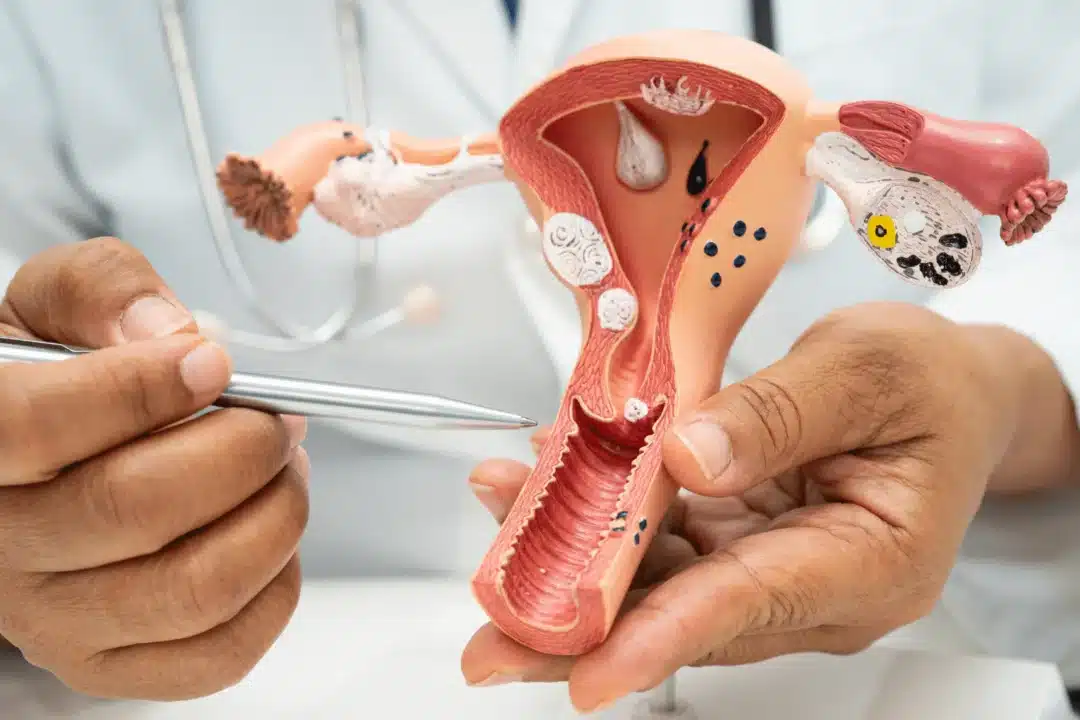
Uterine polyps are usually noncancerous growths that can interfere with fertility, but treatment can improve conception and embryo implantation.
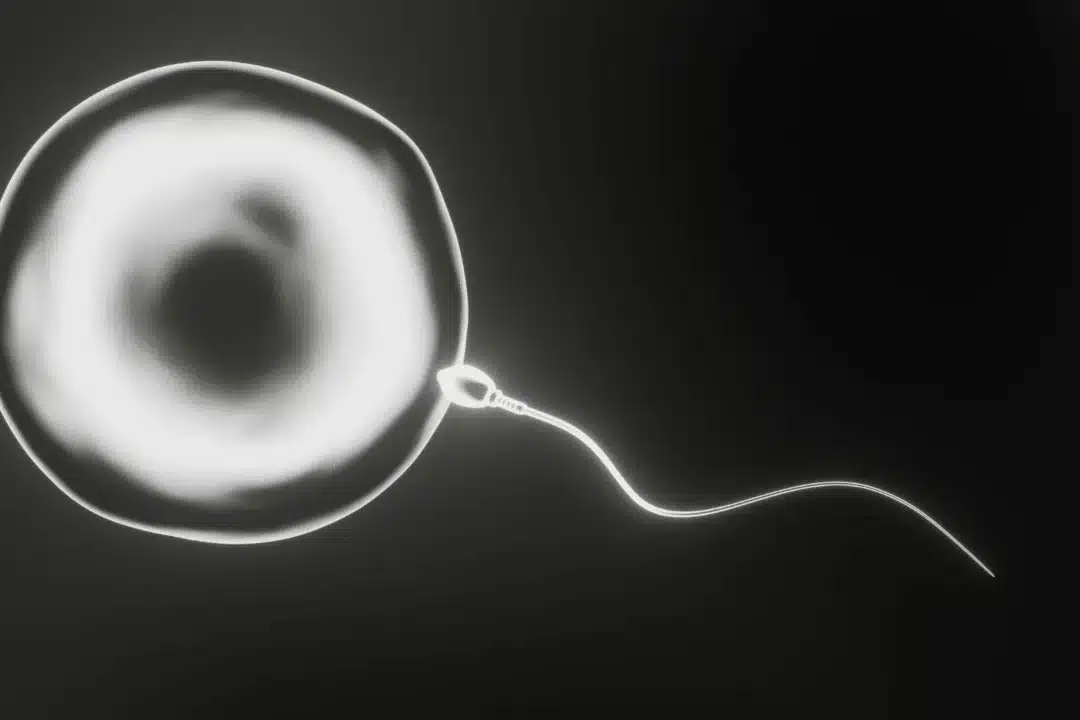
Egg quality impacts fertility and IVF success. Healthy lifestyle habits and medical support may improve egg health and pregnancy outcomes.

IVF can be emotionally overwhelming, but support, self-care, knowledge, and open communication can help build resilience during treatment.

Mother’s Day can intensify infertility grief; all feelings are valid. Focus on self-compassion, boundaries, and support rather than forcing positivity.
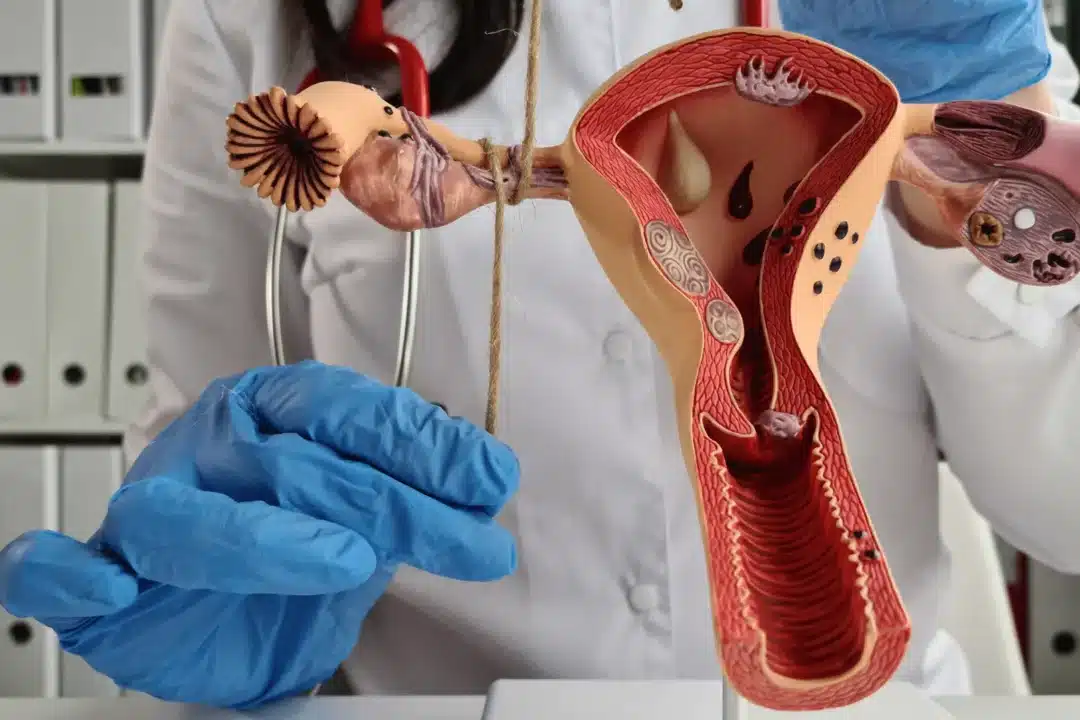
Blocked fallopian tubes (30% of infertility) often from infection, endometriosis, or surgery, prevent egg-sperm meeting; IVF can bypass severe cases.
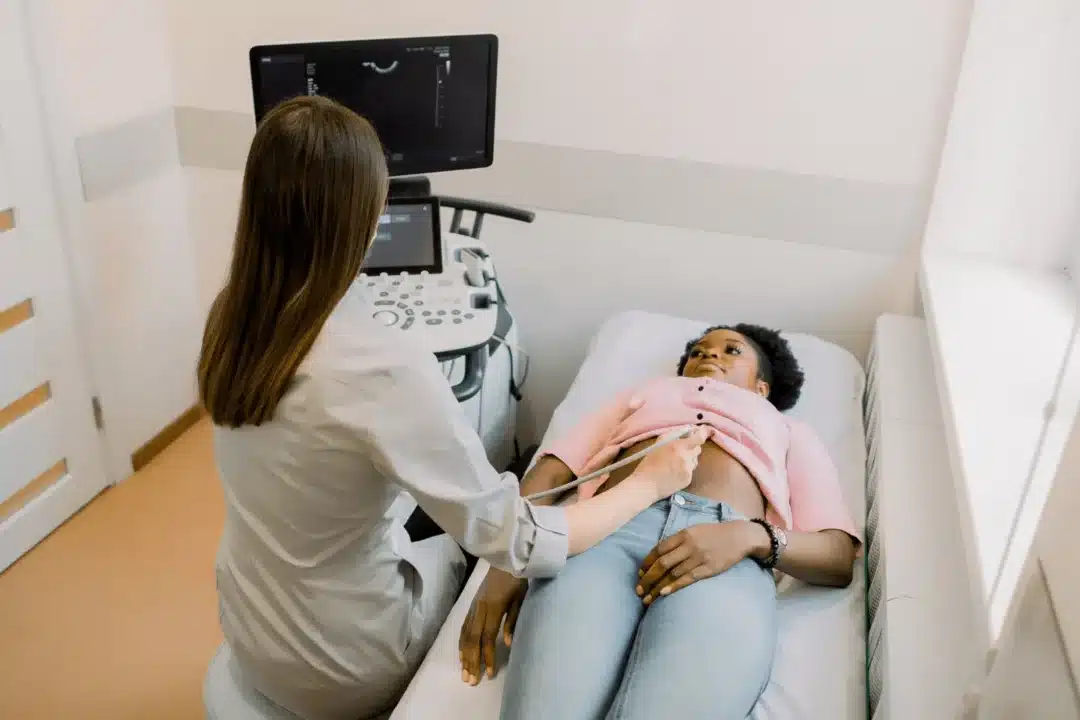
IVF is 4 to 6 weeks: stimulation, egg retrieval, lab fertilisation, embryo transfer and pregnancy testing, monitored to maximise conception chances.

Egg collection in IVF involves prep, hormone stimulation, egg retrieval under sedation, lab fertilisation or freezing, and brief recovery.

Adenomyosis is a uterine condition causing heavy periods, pelvic pain and infertility, diagnosed by imaging and managed with medication or surgery.
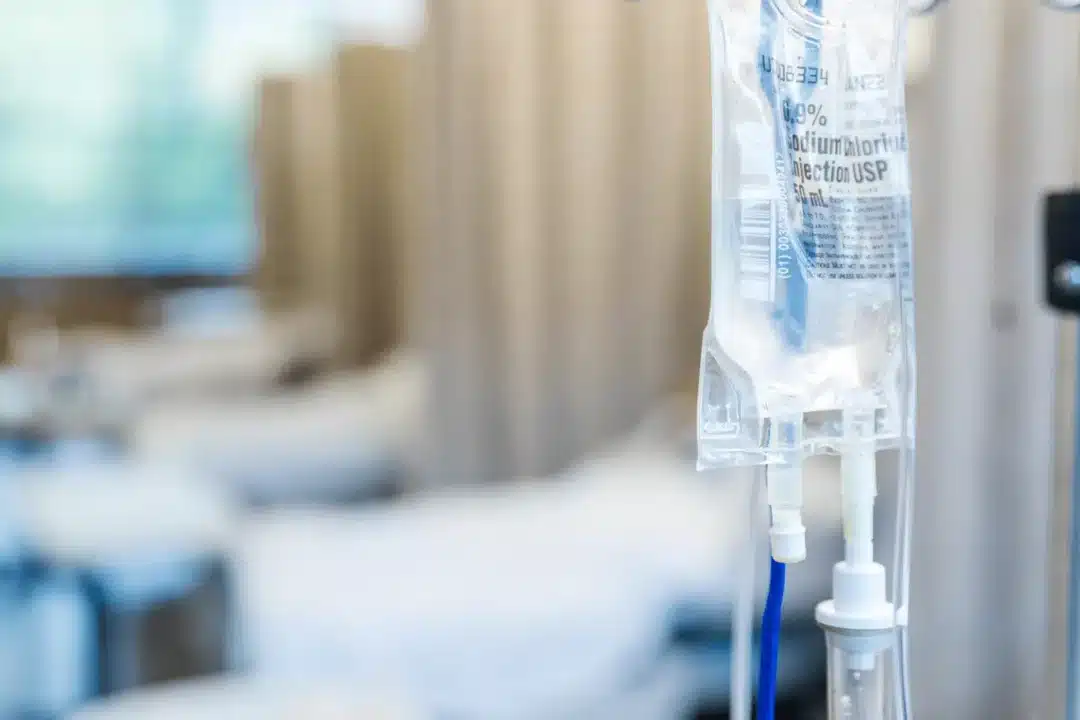
Intralipid infusions aim to boost IVF by altering immunity, but evidence shows no clear benefit; they remain experimental and add cost.

Get in touch today to learn more about how you can start your fertility journey.