
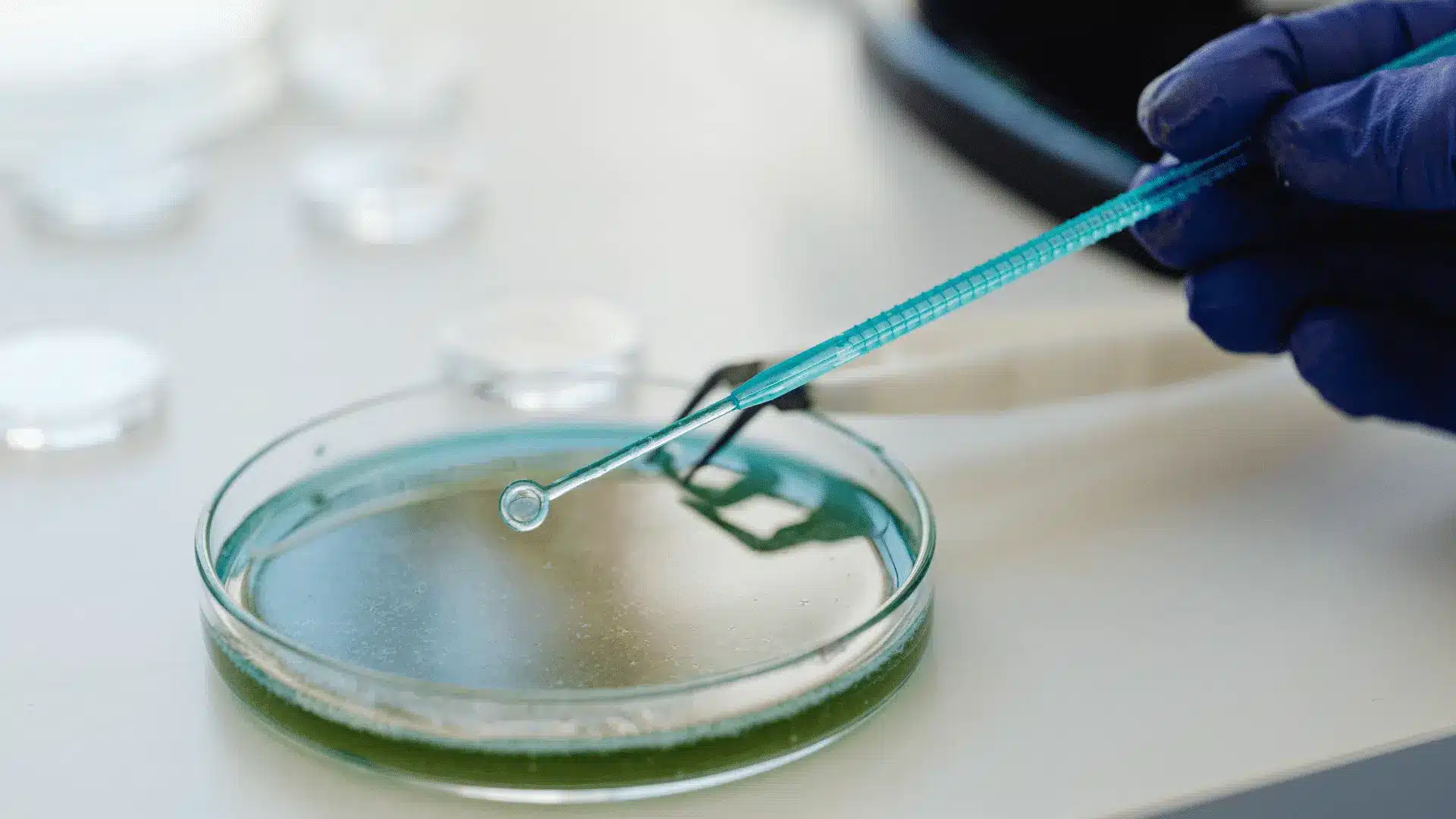
The egg retrieval or collection procedure is a key step in an in vitro fertilisation (IVF) process, whether using your own eggs or those of a donor. It’s also used in fertility preservation for people facing medical treatments, gender transitions, or planning to have children later in life.
Preparing for an Egg Retrieval
Preparation is essential. Your doctor will plan your cycle and give detailed instructions, but there are common steps most patients follow:
- Health Optimisation: in the months before treatment, fertility specialists usually recommend:
- Avoiding smoking, alcohol, marijuana, and vaping
- Having a nutritious diet and maintaining healthy sleep
- Exercising moderately and managing stress
- Taking prenatal vitamins
- Avoiding chemicals that disrupt hormones
These lifestyle adjustments aim to improve egg quality and ovarian function.
- Pre-Cycle Testing
Before the cycle begins:
- Blood tests are done to assess ovarian reserve and overall health
- Men also have blood tests and a semen analysis
- A baseline ultrasound is done to check the health of the woman’s reproductive organs
After testing, you’ll receive a personalised treatment plan.
Ovarian Stimulation
The next phase is designed to help the ovaries produce multiple mature eggs, and not just one, as in a natural cycle.
- Hormonal injections, commonly Clomid, Femara, Gonal-F or Menopur, are started early in the menstrual cycle and continue for about 10–14 days. Their purpose is to stimulate the growth of many egg-containing follicles. The exact dose and schedule are tailored to the patient’s age, ovarian reserve, and response.
- Monitoring Progress: throughout the stimulation phase:
- Transvaginal ultrasounds track follicle growth
- Blood tests measure estradiol hormone levels
- Multiple clinic visits allow doctors to monitor and adjust medications
Follicles typically need to reach around 18 mm before eggs are ready for retrieval.
Trigger Injection
When follicles are ready, a human chorionic gonadotropin (hCG) trigger shot is given 36 hours before the retrieval. This final injection causes the eggs to detach and mature, allowing them to be collected properly. Timing is critical; if the injection is mistimed, eggs may not mature.
The Egg Retrieval Procedure
Once stimulation and follicle growth are complete, egg collection takes place.
- Before the procedure, the patient should:
- Arrive at the clinic about 30 minutes early
- Do not eat or drink after midnight the night before
The procedure is done under general anaesthesia (or sedation in some clinics), so patients are comfortable and pain-free.
- How It Works
- An ultrasound probe guides a fine needle through the vaginal wall into the ovaries
- Each follicle is punctured, and fluid is aspirated
- The fluid contains the eggs, which are immediately sent to the lab
The retrieval itself usually lasts 10-30 minutes, depending on the number of follicles present.
Post-Procedure Recovery
After retrieval:
- You’ll be observed in a recovery area for about an hour
- Mild discomfort, cramping, and nausea can occur but usually pass quickly
- Pain relief such as Panadol may be recommended
- You must be accompanied home since anaesthesia was used
Most people can resume normal activities within 1-2 days, although some may take a bit longer to rest. Heavy exercise should be avoided for a few days.
Common Side Effects
It’s normal to experience:
- Mild pelvic cramping
- Bloating
- Light spotting
- Fatigue
These symptoms resemble period discomfort and usually resolve quickly. Serious complications are rare. Follow-up with the healthcare team is important if symptoms are severe or worsening.
Laboratory Analysis
Once the eggs are collected:
- The follicular fluid containing the eggs is sent to the IVF lab. Embryologists locate, isolate, and place the eggs in specialised media to continue their development. The eggs are then checked for maturity.
- Mature eggs may be fertilised, or they may be cryopreserved to be fertilised later, depending on various reasons including delaying due to medical treatments, gender transitions, or planning for children later in life.
Fertilisation
Mature eggs are fertilised either naturally by placing the egg and semen together, or through intracytoplasmic sperm injection (ICSI). ICSI involves injecting a single sperm directly into each egg. The fertilised eggs are known as embryos.
Embryos are placed in a culture dish to continue developing in the lab. The development of the embryos is carefully monitored over the next few days. Once the embryos reach the desired stage and quality of development, usually 3 to 5 days after egg retrieval, they are ready for transfer to the uterus.
Embryo Transfer
After egg collection, you’ll be given hormone medicines to help prepare the lining of your uterus to receive the embryo. This is usually given either as a pessary placed inside your vagina, an injection, or a gel. The embryo transfer procedure is short and typically performed in a clinic.
Often, the embryos are not transferred to the uterus during the same cycle, but are frozen to be transferred during the next cycle or with the choice of a later date, depending on the circumstances. Freezing technology has improved, and embryos can be stored indefinitely. After the embryo transfer, there’s a “two-week wait” before a pregnancy test can be performed.
In summary
The egg retrieval journey involves careful preparation, hormonal stimulation, a brief surgical procedure under anesthesia, laboratory fertilisation steps, and a short recovery period. Each of these stages is designed to maximise the number of quality eggs collected, with the goal of supporting fertilisation and eventual embryo development.
Read more about egg collection in this article by the Pacific Fertility Center.
