
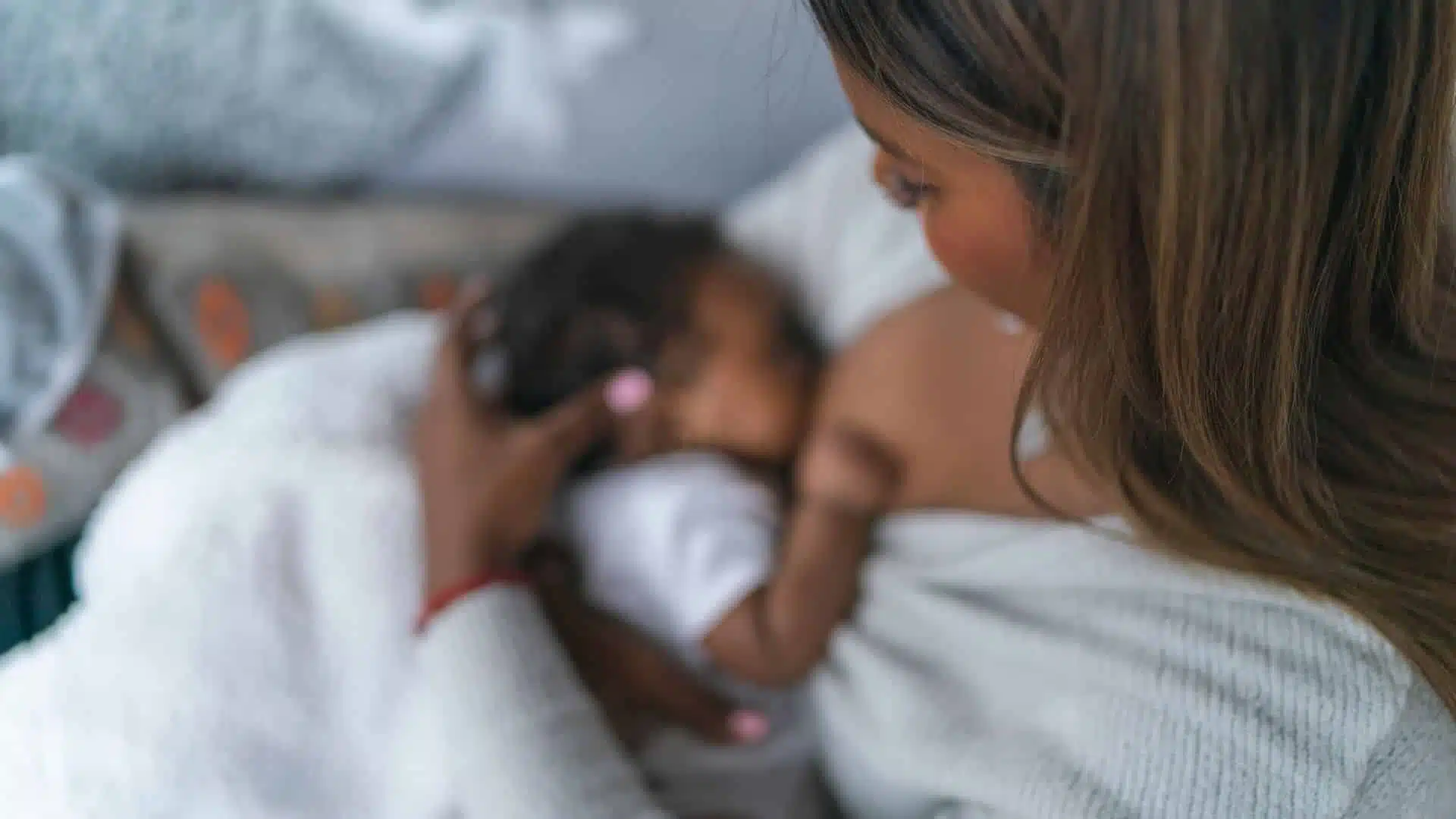
Breastfeeding after IVF is generally the same as after natural conception. IVF doesn’t affect the body’s ability to produce milk. However, factors like maternal age and health can influence breastfeeding success. What can support the process is a focus on prenatal care, managing stress, and seeking support from lactation consultants. Key tips include early support, education, and self-care.
For many couples, a successful IVF pregnancy marks the end of a long and emotional fertility journey. Once the baby arrives, however, a new question often arises: Will I be able to breastfeed after IVF? The reassuring answer is that, in most cases, yes. Although conception occurred through assisted reproductive technology rather than natural conception, breastfeeding works in essentially the same way. IVF itself does not affect the body’s ability to produce breast milk, and mothers who conceive through IVF can enjoy the same breastfeeding experience and benefits as those who conceive naturally.
Does IVF Affect Breast Milk Production?
One of the most common concerns among women who undergo IVF is whether the fertility medications, egg retrieval procedure, or embryo transfer might interfere with breastfeeding. No, these procedures do not directly affect the body’s ability to lactate. Once pregnancy is established, hormonal changes that prepare the breasts for milk production occur naturally, regardless of whether conception happened through IVF or without medical assistance. By the time the baby is born, the fertility medications used during treatment have long since left the body and do not interfere with breastfeeding.
Why Some IVF Mothers May Face Breastfeeding Challenges
Although IVF itself does not reduce the ability to breastfeed, some women who conceive through IVF may encounter additional challenges. Often, these challenges are related not to the IVF treatment but to the underlying reason fertility treatment was needed in the first place. For example, conditions such as polyendocrine metabolic ovarian syndrome (PMOS previously PCOS), endometriosis, thyroid disorders, diabetes, or hormonal imbalances may influence milk production or breastfeeding success. Women who conceive through IVF may also be older, and maternal age has been associated with a slightly higher likelihood of delayed milk production or difficulties with the automatic body response that pushes milk through the ducts during breastfeeding (let-down reflex). However, these challenges can usually be managed successfully with appropriate support and guidance.
The Importance of Prenatal Preparation
Successful breastfeeding begins before delivery. Receiving good prenatal care and discussing breastfeeding plans with your healthcare team during pregnancy is important. Learning about breastfeeding techniques before birth can help mothers feel more confident and prepared. Many women also benefit from meeting with a lactation consultant before delivery, particularly if they have experienced infertility or anticipate additional challenges. Early education allows parents to understand what to expect during the first few days after birth and where to seek help if problems arise.
Managing Stress After an IVF Journey
Infertility treatment is often emotionally and physically demanding. Years of trying to conceive, repeated fertility treatments, and the uncertainty surrounding IVF can leave many women feeling anxious even after a successful pregnancy. Stress itself does not prevent breastfeeding, but it may temporarily affect milk let-down or make breastfeeding feel more challenging. Creating a calm, supportive environment, getting adequate rest, practising relaxation techniques, and accepting help from family and friends can all contribute to a more positive breastfeeding experience. Emotional support from partners, healthcare professionals, and breastfeeding support groups can also make a significant difference.
Special Considerations for IVF Babies
Some babies conceived through IVF are born prematurely or require specialised neonatal care because of factors related to multiple pregnancy, maternal health conditions, or complications during pregnancy. In these situations, direct breastfeeding may need to be delayed temporarily.
When immediate breastfeeding is not possible, mothers are often encouraged to begin expressing breast milk soon after delivery. Pumping helps establish and maintain milk supply while providing expressed breast milk that can be fed to the baby until breastfeeding becomes possible. Close collaboration with neonatal staff and lactation consultants can help support both mother and baby during this period.
Tips for Successful Breastfeeding After IVF
Practical strategies to support breastfeeding success include:
- Begin discussing breastfeeding with your healthcare provider during pregnancy.
- Learn about breastfeeding techniques before delivery.
- Seek support from a lactation consultant early if needed.
- Build a strong support network of family, friends, or breastfeeding groups.
- Prioritise adequate rest, good nutrition, and hydration.
- Practise self-care to help reduce stress.
- Be patient, as breastfeeding is a skill that both mother and baby learn together.
- Maintain open communication with your healthcare team if challenges arise.
Every Breastfeeding Journey Is Different
Every mother’s breastfeeding experience is unique. Some women establish breastfeeding easily, while others may require additional support, regardless of whether pregnancy occurred naturally or through IVF. Individual health, the baby’s health, previous breast surgery, maternal medical conditions, and available family support all influence breastfeeding success. It is important not to compare your experience with others. Instead, seek professional advice whenever concerns arise and remember that feeding your baby, whether exclusively breastfeeding, expressing milk, or combining feeding methods, is ultimately about ensuring your baby’s health and wellbeing.
Key Takeaway
Breastfeeding after IVF is generally no different from breastfeeding following natural conception. IVF treatment does not impair the body’s ability to produce breast milk, and most women can breastfeed successfully. While underlying fertility conditions, maternal age, stress, or pregnancy complications may create additional challenges for some mothers, these can often be overcome with early preparation, professional guidance, and a strong support network. With the right care and encouragement, women who conceive through IVF can enjoy the many nutritional, developmental, and emotional benefits that breastfeeding offers both mother and baby.
Read more in this article by Juhi Fertility Centre, which provides good insight into all these points.
