
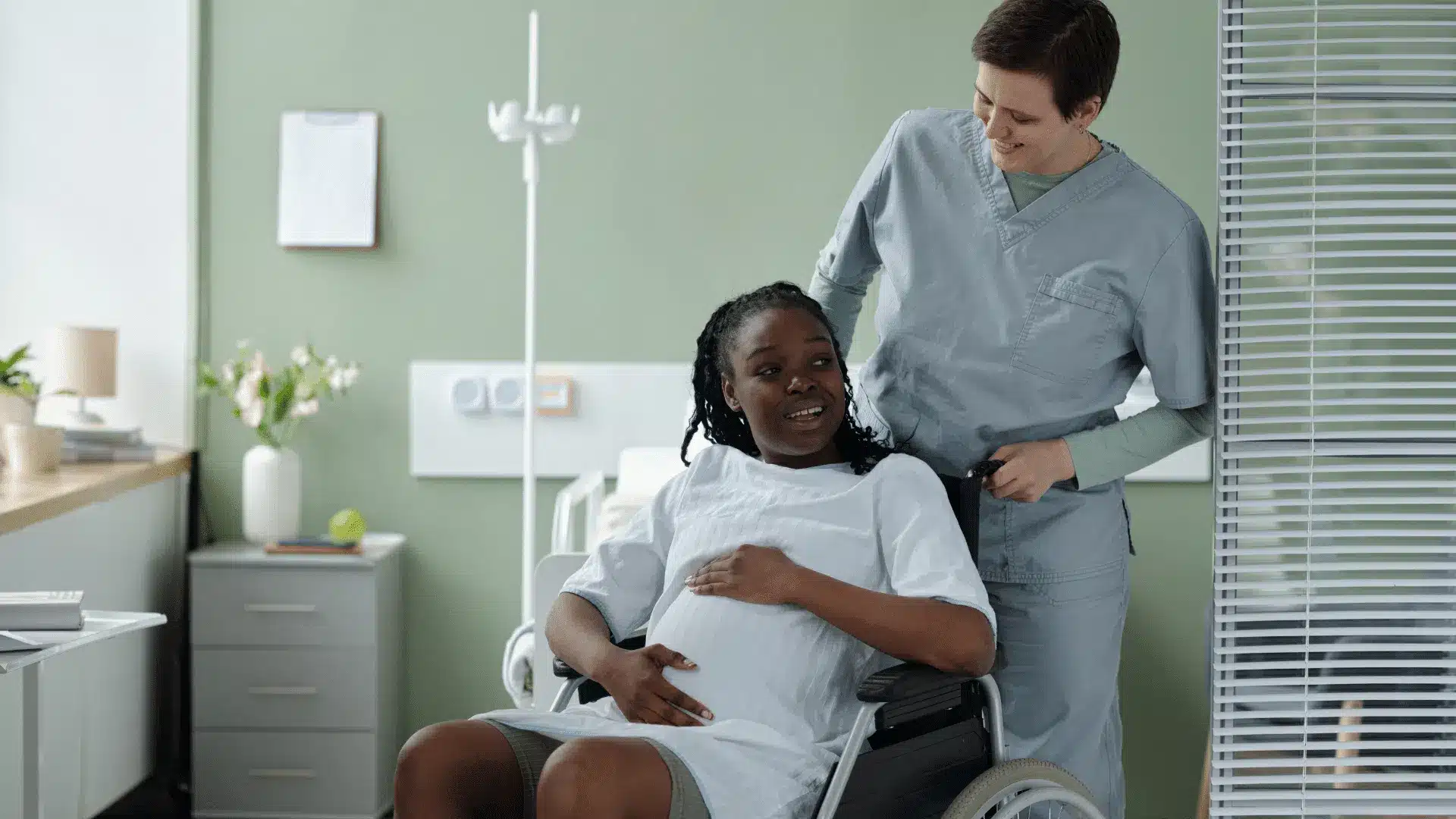
Studies show that additional clinical research is needed to provide women and their clinicians with more information on potential complications and options for labour and delivery for women with disabilities. It also depends on the type of disability, many of which do not impact conception and the development of the baby.
Some physical aspects of disabilities will require advanced planning, so that the woman is supported not to exert herself and in the later stages, to have the physical support system around her. The involvement of clinicians with disability-related expertise, is also advised. An integrated, interdisciplinary medical team for all aspects of the pregnancy, also promotes quality care by facilitating improved planning and management. This means that as one is planning their pregnancy, many discussions need to be had with the teams involved through the pregnancy journey.
Some systemic improvements that are needed are improved medical staff knowledge on how to support women with disabilities in their pregnancy journey, improved access to healthcare facilities, and resources for adapting to parenthood. Recommendations include finding supportive doctors, connecting with other mothers with disabilities, advocating for personal needs, and preparing with research on disability-specific tools.
Resources like occupational therapy and blogs by disabled parents offer practical guidance and inspiration. Adaptations for daily tasks, such as modified homes for the mother during pregnancy and baby carriers, enable safe and effective caregiving.
This article by Model System Knowledge Translation Center talks about a specific, fairly difficult disability, and practical experiences during the trimesters of pregnancy and how to navigate them best with a disability.
This blog by the Spinal Cord Injury Zone “Pregnancy In A Wheelchair: Women Share Their Experiences & Advice” are really heartening anecdotes from women who have experienced pregnancy with disability.
