
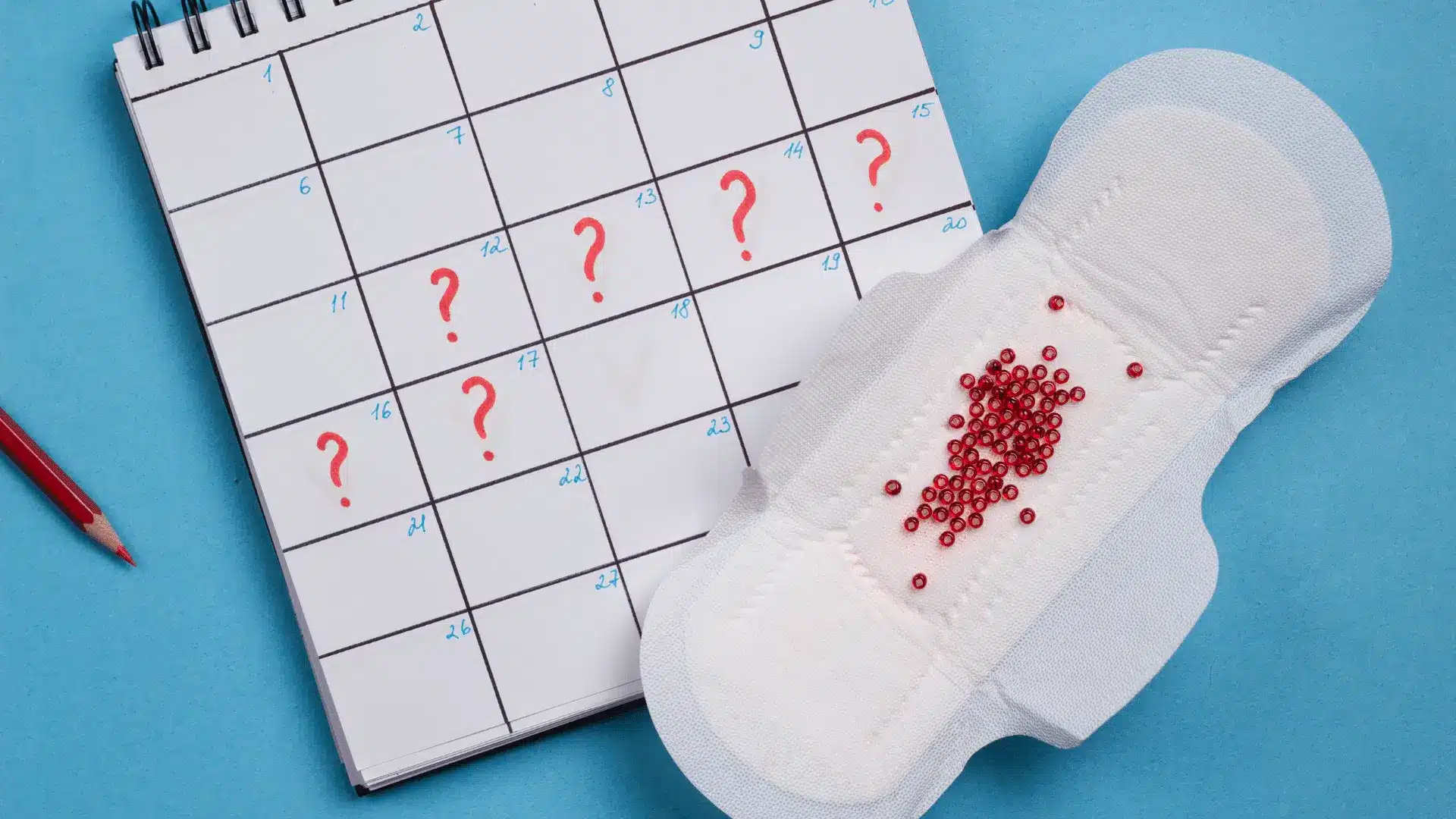
Irregular periods can be caused by a variety of factors, primarily related to hormonal fluctuations. Common causes include hormonal birth control, Polycystic Ovary Syndrome (PCOS), stress, and weight changes. Other potential causes include thyroid issues, certain medications, and underlying medical conditions.
OVERVIEW OF ABNORMAL MENSTRUATION
A normal menstrual cycle typically spans 21–35 days, with bleeding lasting 4–7 days; the average cycle is about 29 days.
Menstruation is considered irregular if it involves:
-
Cycles shorter than 21 days or longer than 35 days
-
Missing three or more consecutive periods
-
Bleeding that’s unusually light or heavy, prolonged, or accompanied by severe symptoms like pain or nausea
-
Bleeding between cycles, after intercourse, or after menopause
COMMON FORMS OF ABNORMAL BLEEDING
-
Amenorrhea: No periods for 90+ days (excluding pregnancy, breastfeeding, or menopause); or delayed onset by age 15–16
-
Oligomenorrhea: Infrequent periods fewer than 6–8 annually, or cycles longer than 35 days
-
Dysmenorrhea: Painful periods and severe cramping
-
Menorrhagia: Excessively heavy or long periods, often soaking through pads/tampons every hour
-
Menometrorrhagia (Abnormal Uterine Bleeding): Bleeding that’s irregular, prolonged, heavy, or occurs between regular cycles
UNDERLYING CAUSES
HORMONAL IMBALANCES: Such as PCOS, thyroid disorders and perimenopause.
-
Normal Fluctuations: In teenagers and women approaching menopause, periods can naturally become irregular due to fluctuating hormone levels.
-
Birth Control: Hormonal birth control, like pills or IUDs, can affect the menstrual cycle, leading to irregular bleeding patterns.
-
PCOS: This hormonal disorder is a common cause of irregular periods, often accompanied by other symptoms like acne and excessive hair growth.
-
Thyroid Problems: Both an overactive (hyperthyroidism) or underactive (hypothyroidism) thyroid can disrupt the menstrual cycle.
LIFESTYLE FACTORS: Lifestyle factors such as stress, weight changes, low body fat, and illness.
-
Stress: High stress levels can impact hormone regulation, leading to irregular periods.
-
Weight Changes: Significant weight gain or loss can disrupt hormonal balance, affecting the menstrual cycle.
-
Excessive Exercise: Intense physical activity can also lead to hormonal imbalances, potentially causing irregular periods or even missed periods.
OTHER MEDICAL CONDITIONS: Reproductive system conditions such as fibroids, polyps, endometriosis and PID. Other medical issues such as bleeding/clotting disorders, liver/kidney diseases. Tumours or cancer such as uterine or ovarian. Medications such as blood thinners and hormone therapy.
-
Infections: Infections like Pelvic Inflammatory Disease (PID) can cause inflammation and scarring in the reproductive organs, leading to irregular periods.
-
Certain Medications: Some medications, including chemotherapy drugs and some antidepressants, can have side effects that affect the menstrual cycle.
-
Underlying Medical Conditions: Conditions like endometriosis, fibroids, and certain cancers can also cause irregular periods.
PREGNANCY AND BREASTFEEDING:
-
Pregnancy: Missed periods are a common sign of pregnancy, and even early pregnancy can sometimes cause irregular bleeding.
-
Breastfeeding: Periods may be absent or irregular while breastfeeding, especially when breastfeeding exclusively.
DIAGNOSIS & TREATMENT
-
Keep a menstrual diary of cycle length, flow, and symptoms.
-
Healthcare providers typically conduct physical exams, including a pelvic exam, and may order blood tests (hormones, anemia, clotting), imaging (ultrasound, sonohysterogram), Pap smear, biopsy, or hysteroscopy.
-
Treatments vary by cause and may include:
Medications: Hormonal contraception, nonsteroidal anti-inflammatory drugs, tranexamic acid, GnRH therapies, iron supplements
Procedures: Hysteroscopy, dilatation and curetting (D&C), fibroid removal, uterine artery embolisation, ablation, or hysterectomy in severe cases
OUTLOOK & WHEN TO SEEK HELP
Chronic irregular bleeding can lead to anemia and negatively impact quality of life, but most cases are treatable once the underlying cause is identified.
Seek medical attention if:
-
Bleeding disrupts daily activities, or blood loss is heavy enough to risk anemia
-
Periods are highly unpredictable, excessively heavy, or include bleeding outside the normal cycle
Read more about how to interpret and manage irregular periods in this blog by the Cleveland Clinic.
If you are concerned about irregular periods, it’s always best to consult with a healthcare professional for proper diagnosis and treatment. If you have been on the journey to get pregnant and it has not worked out for over a year, or at least 6 months for women 35 years and over, book an appointment with us at Harley Street Fertility Centre for a consultation with one of our Fertility Specialists.

