
What is implantation?
- Implantation is when the fertilised egg attaches to the uterine lining (endometrium).
- Timing of natural fertilisation can be calculated as approximately 21 days after the start of you cycle seen as the start of your last period (14 days to ovulation plus 7 days to fertilisation).
- Implantation typically happens 6-12 days after fertilisation: therefore approximately 27-33 days after the start of your last period.
- Some women may have minor bleeding or spotting (called “implantation bleeding”) around that time (pink to brownish in colour, short‐lived). But it’s not experienced by all.
- After implantation occurs, the embryo begins to produce the hormone human chorionic gonadotropin (hCG), and the corpus luteum (site of the release of the egg in the ovary) continues producing progesterone to support the uterine lining.
What happens during/after implantation?
- First fertilisation must happen: sperm meets egg (typically in the fallopian tube), the fertilised egg then travels into the uterus and embeds itself in the lining.
- If implantation does not occur, progesterone levels drop, the uterine lining breaks down, and menstrual bleeding happens.
- If implantation does occur, the embryo’s hCG causes hormonal changes that support pregnancy.
- While some women may notice symptoms (see next section), it is possible to have no symptoms at all despite successful implantation.
Early signs and symptoms of implantation
These are possible but not guaranteed. Having none doesn’t mean implantation hasn’t occurred.
- Slightly elevated basal body temperature
- Mild cramping
- Sore breasts
- Increased urge to urinate (though might overlap with other causes)
- Spotting or mild bleeding (implantation bleeding)
- Missed or delayed period (if you were expecting one)
- Nausea or vomiting (“morning sickness”), though this doesn’t always appear and isn’t limited to morning.
- Mood changes: hormones may affect mood or emotions.
Note that the most reliable method for confirming pregnancy is a pregnancy test not just symptoms.
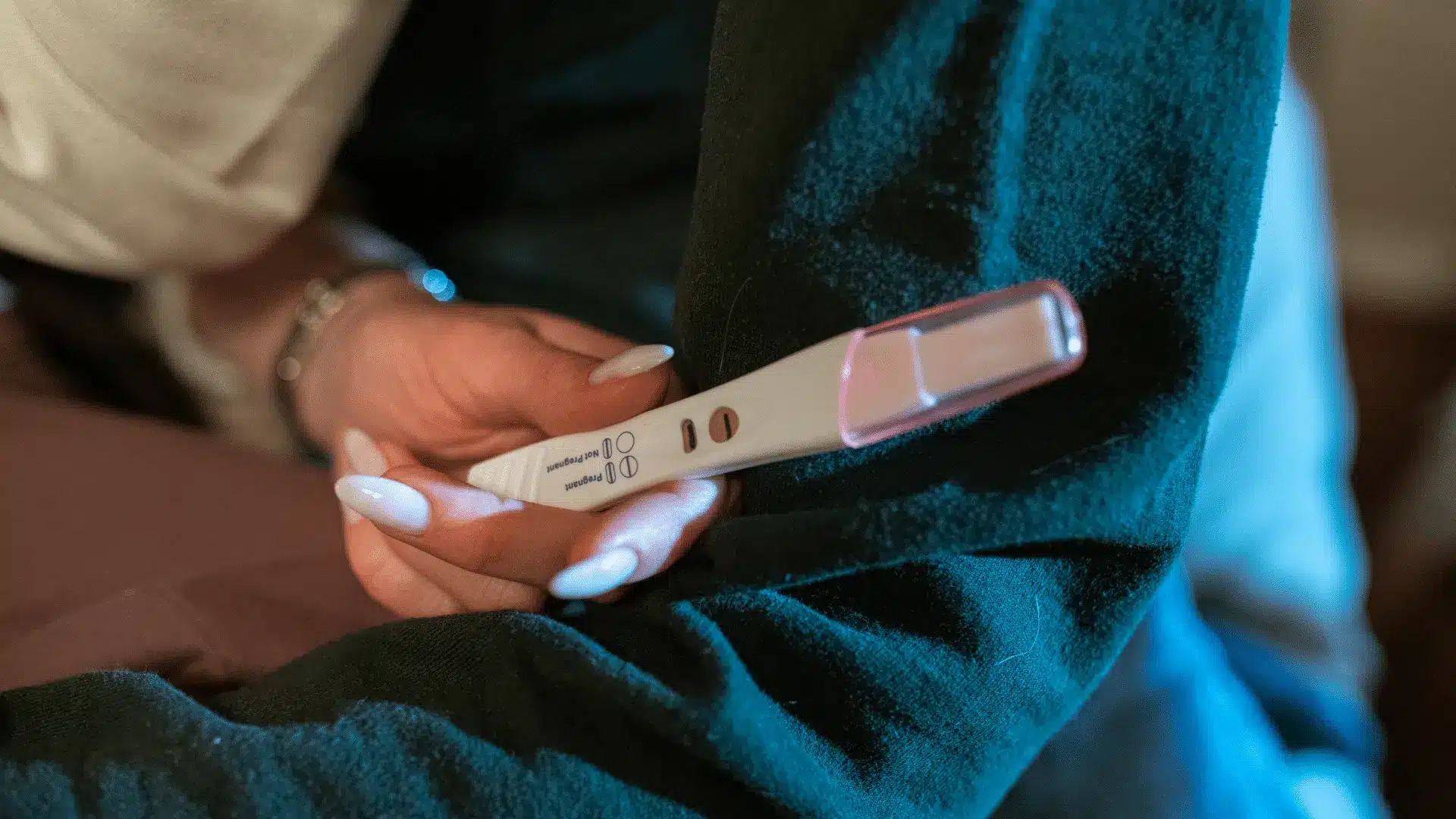
How soon after implantation can you take a pregnancy test?
- After implantation, hCG levels begin to rise; a pregnancy test detects hCG in urine (or blood) once it reaches a certain level.
- Some urine pregnancy test kits claim to detect hCG about 5 days before you expect your next period.
- BUT: If you test too early, there’s a risk of a false negative because hCG levels may still be too low to detect.
- In in vitro fertilisation (IVF), testing for pregnancy is recommended 10-14 days after embryo transfer.
Factors affecting accuracy of a pregnancy test at this early stage
Several things can influence reliability:
- Timing: Testing too soon after implantation may mean hCG levels haven’t risen enough.
- Sensitivity of the test kit: Some are more sensitive (detect lower amounts of hCG) than others.
- Individual factors: For example, drinking lots of fluids before the test may dilute urine and reduce hCG concentration.
- Following instructions carefully: Not doing so may compromise the result.
- In the case of fresh embryo transfers in IVF, a “trigger injection” containing hCG is used to mature the eggs in the ovaries before collection for external fertilisation. If you test too early, remnants of hCG from this medication can produce a false-positive result.
Types of pregnancy tests
A quantitative hCG blood test is more sensitive and accurate than a home urine test, especially in the early stages.
Here is what you need to know about each type of test:
| Test | Quantitative hCG blood test | Home pregnancy (urine) test |
|---|---|---|
| Accuracy | More accurate and reliable. It measures the exact amount of hCG, allowing your clinic to track its levels over time. | Less reliable. The sensitivity of these tests varies, and they may not detect lower levels of hCG present in early pregnancy. |
| Reliability concerns | Can give a false-positive if tested too early in the case of a fresh embryo transfer in IVF due to remnant of the trigger hCG injection. | Can produce false positive results due to hCG injection in fresh embryo transfer for IVF or false negative results in low hCG levels for natural pregnancy or frozen embryo transfer in IVF. |
What to do during the wait
The waiting period can be stressful, but it is important to follow your doctor’s instructions to ensure the most accurate outcome. During this time, you should:
- Continue taking any prescribed medication.
- Avoid strenuous activity.
- Rest and manage stress.
- Reach out to a support system to help you cope with the emotional toll.
Main takeaway / conclusion
- While it’s understandable to want to take a pregnancy test as soon as possible, doing it too early increases the chance of a false negative.
- Waiting until about 7-10 days after implantation, or about when you expect your period (or later), improves accuracy.
- Understand both the biology (implantation → hCG rise) and the limitations (test sensitivity, timing, individual variation) so you can interpret a result appropriately and reduce anxiety.
- If you’re unsure, or if bleeding/abnormal symptoms occur, check with a healthcare provider.
Read more in this article by Nova IVF and reach out to us to book an appointment if you have questions about your fertility.
