
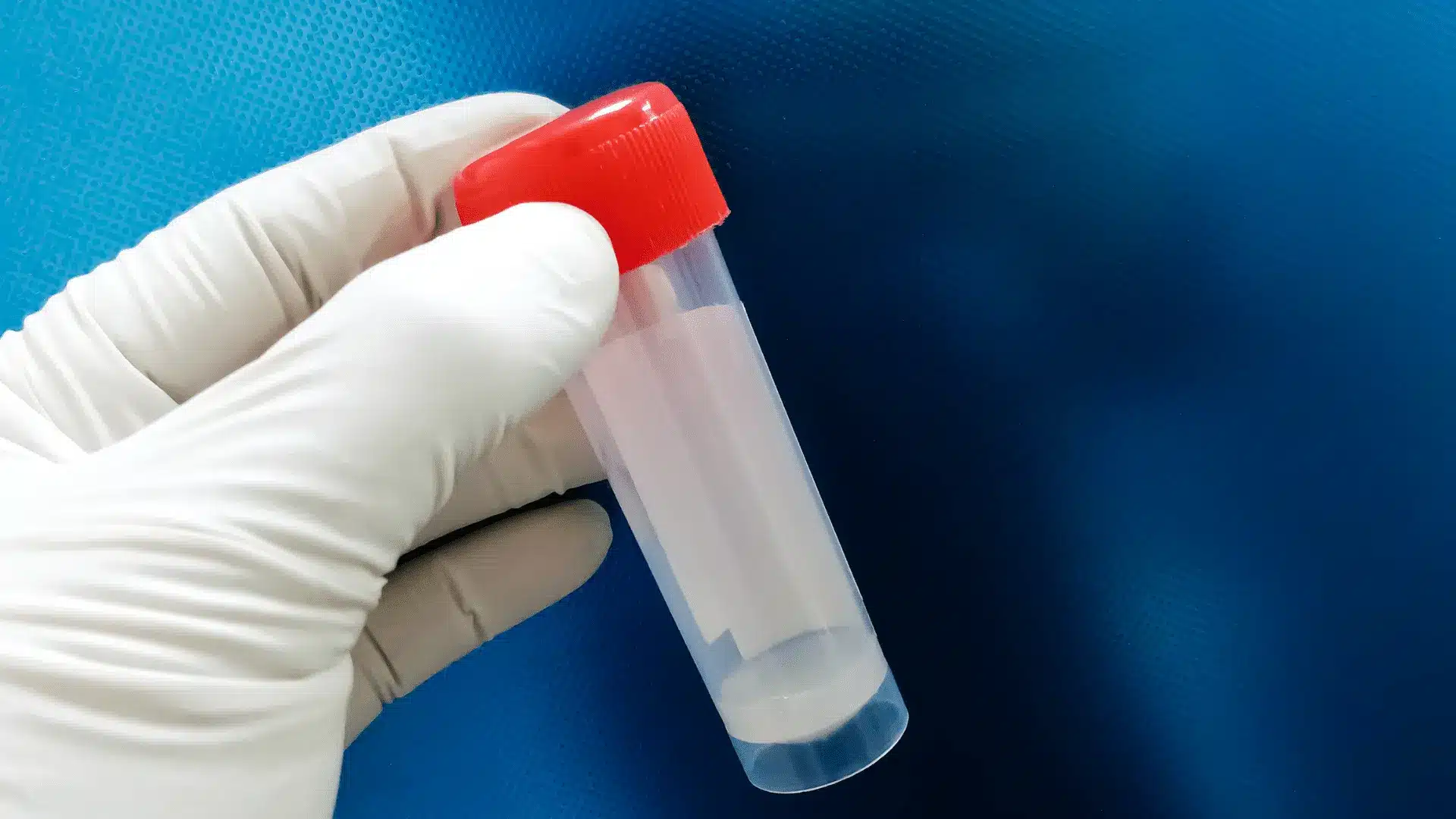
A semen analysis, also known as a “sperm count test”, is a fertility test that analyses semen and sperm health to identify potential male infertility. The results include information on semen volume, sperm count, concentration, motility, viability, morphology, liquefaction, pH level, and white blood cell count.
While one-third of infertility cases involve the female partner, male factors also contribute to about one-third of infertility cases, with the last third involving either both partners or remaining unexplained. A semen analysis is a key diagnostic test used to evaluate male fertility. It assesses both the quantity and quality of sperm, helping identify potential causes of infertility. It involves collecting a semen sample, usually through masturbation, into a sterile container after 2 to 5 days of abstinence and analysing it in a lab.
Preparation Before the Test
To ensure accurate results, individuals are usually advised to:
- Abstain from ejaculation for 2–3 days
- Avoid alcohol, smoking, and heat exposure (e.g., hot tubs)
- Avoid certain medications and non-fertility-safe lubricants
Getting the Semen Sample
The sample is typically collected through masturbation into a sterile container at the clinic. Alternative methods may be possible, like using a specialised collection condom at home, and advice on transporting it correctly to the clinic. Emotional factors like anxiety or embarrassment are common but manageable with support from providers.
WHAT THE TEST MEASURES
A semen analysis looks at multiple parameters, including:
Semen Volume: amount of fluid produced
Normal: between 2 to 5 mL.
- Low volume may indicate blockages, hormonal issues, or stress
- High volume may suggest inflammation of glands
Sperm Count & Concentration: number of sperm present
Normal: roughly 15 to 40 million sperm per mL. Low count (oligospermia) or no sperm (azoospermia) may result from:
- hormonal imbalance
- illness or fever
- lifestyle factors (smoking, alcohol, obesity)
- Sexual organ structural issues
Motility: how well sperm move
Normal: ~40–50% of sperm should be moving.
- Poor motility (asthenozoospermia) affects the sperm’s ability to reach the egg
- Causes include illness, medications, or lifestyle factors
Morphology: sperm shape and structure
Normal: ≥4% of sperm with normal shape.
- Abnormal morphology (teratozoospermia) may impact fertilisation
- Assessment can vary depending on the criteria used (e.g., strict standards)
Vitality: percentage of live sperm
Normal viability is ≥50%. Helps distinguish between dead sperm and live but non-moving sperm when motility is low. Caution: certain lubricants or regular condoms can kill sperm and affect results.
- Low viability may require further testing
- Complete absence of live sperm is called necrozoospermia.
Liquefaction: how quickly semen becomes fluid
Semen initially thickens into a gel and then liquefies, allowing sperm to become free-moving.
- Normal: semen liquefies within 15 to 30 minutes at room temperature.
- Delayed liquefaction may indicate prostate or gland issues
pH Level: acidity/alkalinity
Reflects a balance between acidic and alkaline fluids. Normal is between pH 7.2 and 7.8. Abnormal pH may suggest infection or duct obstruction
White blood cells possible infection/inflammation indicator
White blood cells in semen help fight infection and are normally present at low levels (<1 million/mL). High levels (leukocytospermia) may indicate infection or bacteria, though some cases show no fertility impact.
INTERPRETING RESULTS
The World Health Organisation (WHO) provides reference values for semen characteristics, but individual results may vary. The multiple parameters are considered together, not in isolation, so being outside “normal” ranges does not automatically mean infertility. Results may vary due to temporary factors, so repeat testing can be recommended. Abnormal results could indicate a variety of health issues and may require further testing or treatment. The test can help guide next steps.
Important considerations
Abnormal findings may indicate:
- Lifestyle-related issues such as stress and habits like smoking, alcohol or heat exposure
- Hormonal imbalances
- Infections or inflammation
- Structural or anatomical problems
- Effects of medications or recent illness
However, semen analysis alone cannot conclusively diagnose infertility; it is one part of a broader range of assessments, including hormone testing and scanning of the organs for structural problems.
Next Steps After Testing
Depending on results, doctors may recommend:
- Repeat semen analysis
- Hormone testing
- Imaging (e.g., ultrasound)
Some of the treatments may include hormone therapy on review of hormone testing, concentration of sperm for intrauterine insemination (IUI), processing of the sperm for in vitro fertilisation (IVF), lifestyle changes, or surgery.
Key Takeaway
A semen analysis provides a comprehensive picture of sperm health, but fertility depends on multiple factors. Results should always be interpreted in context, often alongside repeat testing and evaluation of both partners.
This article by Parents provides further insights into aspects of semen analysis.
