
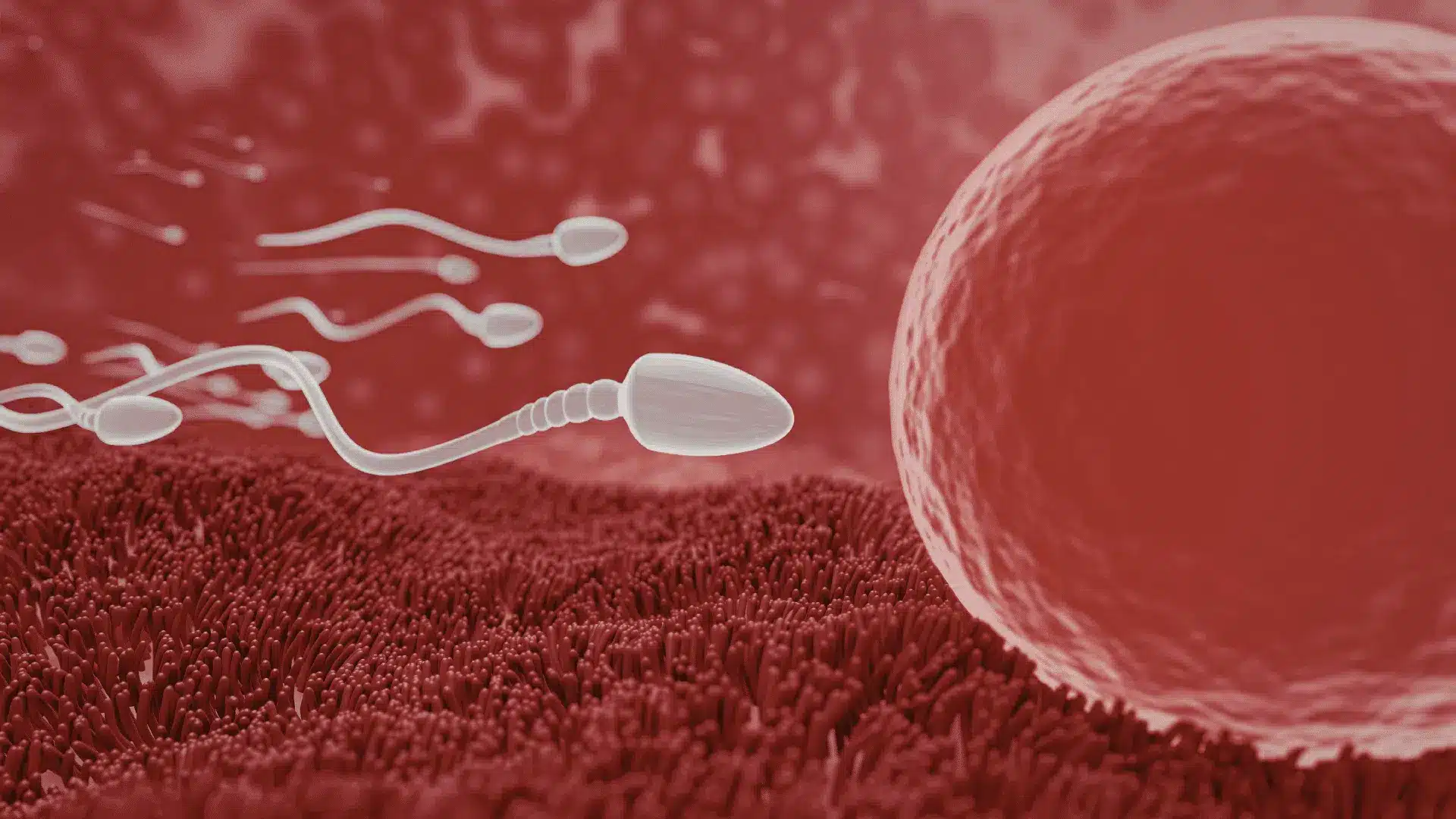
Oocyte activation is the series of biological processes triggered in an egg (oocyte) by sperm entry, which initiates embryonic development. Key events include a rise in calcium levels, cortical granule release (preventing multiple sperm entry), and combining of the genetic material from the sperm and egg. It transforms the egg from a resting state into a developing embryo.
Oocyte activation is the biological process that “wakes up” an egg after it has been fertilised by a sperm, signalling it to stop being a resting cell and start developing into an embryo. The varied steps are:
- The “Sleep” State: Before fertilisation, the mature egg (oocyte) is technically paused, or “arrested,” in a resting state.
- The Wake-Up Call: When a sperm enters the egg, it releases a special protein (PLC zeta). This acts as an alarm clock, causing a surge of calcium to sweep through the egg.
- The Reaction: This calcium surge triggers several key events:
- It blocks other sperm from entering (preventing multiple sperm from fertilising one egg).
- It finishes the egg’s final division and combines the genetic material from the sperm and egg.
- It starts the development of the embryo.
Oocyte Activation Failure
If the sperm fails to activate the egg, fertilisation will not occur, resulting in failed embryo development. Oocyte activation failure (OAF) is a primary cause of total fertilisation failure (TFF) after intracytoplasmic sperm injection (ICSI). While ICSI usually yields high fertilisation rates, OAF accounts for 40–70% of cases where fertilisation fails.
Artificial Oocyte Activation (AOA)
If the sperm fails to activate the egg naturally, scientists can use artificial oocyte activation (AOA) for in vitro fertilisation (IVF), including for ICSI cases, to mimic the activation process through:
- Chemical Stimuli: using “calcium ionophores” to artificially increase calcium levels.
- Electrical Stimuli: applying a brief electrical pulse to open pores in the egg membrane for calcium entry.
- Mechanical Stimuli: agitation during the ICSI procedure to trigger internal calcium release.
AOA safety is still uncertain; limited long-term data exist, so it’s not routinely recommended and should be used only in selected cases.
DETECTING OOCYTE ACTIVATION FAILURE IN NATURAL CONCEPTION
Detecting oocyte activation failure in natural pregnancies, often referred to as “unexplained infertility” or “recurrent fertilisation failure in vivo”, is challenging because, unlike in the case of IVF/ICSI, the fertilisation process is not visible. When a couple experiencing recurrent failure to conceive naturally turns to ICSI, diagnostic tools can be used to pinpoint OAF:
Functional Assessment of Gametes (Post-Facto)
- PLCz (Phospholipase C zeta) Analysis: PLCz is the key sperm-specific protein responsible for activating the egg. A lack of PLCz or its abnormal accumulation in one location in a sperm, is diagnostic of OAF.
- Homologous/Heterologous ICSI Models: Injecting the sperm into the partner’s previous unfertilised eggs (homologous) or into donor eggs (heterologous) to check for activation capacity, helps determine if it is in fact OAF or a different issue.
Genetic Testing
PLCZ1 Gene Screening: Identifying genetic mutations in the PLCZ1 gene of the male partner can confirm the diagnosis of sperm-driven oocyte activation failure.
Histological Examination of Unfertilized Oocytes
Electron Microscopy: If unfertilised oocytes are available after ICSI, they can be studied to identify signs of failed activation, including:
- Unreleased cortical granules which are what block entry to additional sperm: these should disappear upon successful activation.
- Paternal chromatin non-decondensation: The sperm head remains intact rather than transforming into a male pronucleus.
- Metaphase II arrest: The oocyte remains stuck in its premature state.
Inferential Diagnosis in Natural Cycles
- High-Quality Embryo Failure: If a couple has high-quality, mature eggs and normal-looking, motile sperm, but consistently fails to achieve pregnancy, it may suggest a molecular-level failure (like OAF) rather than a structural one.
- Elimination of Other Factors: OAF is often diagnosed when fertilisation fails despite the absence of severe male factor infertility like oligospermia or azoospermia.
In summary, oocyte activation is essential for fertilisation and embryo development. When it fails, fertilisation cannot occur, but techniques like AOA offer effective solutions and improved outcomes. If you are experiencing infertility, defined as not conceiving after 1 year of regular, unprotected sex for women under the age of 36, and for 6 months for women over that age, reach out to us here for a consultation.
Read more about oocyte activation in this article by My Fertility.
