
DEFINITION & CONTEXT
-
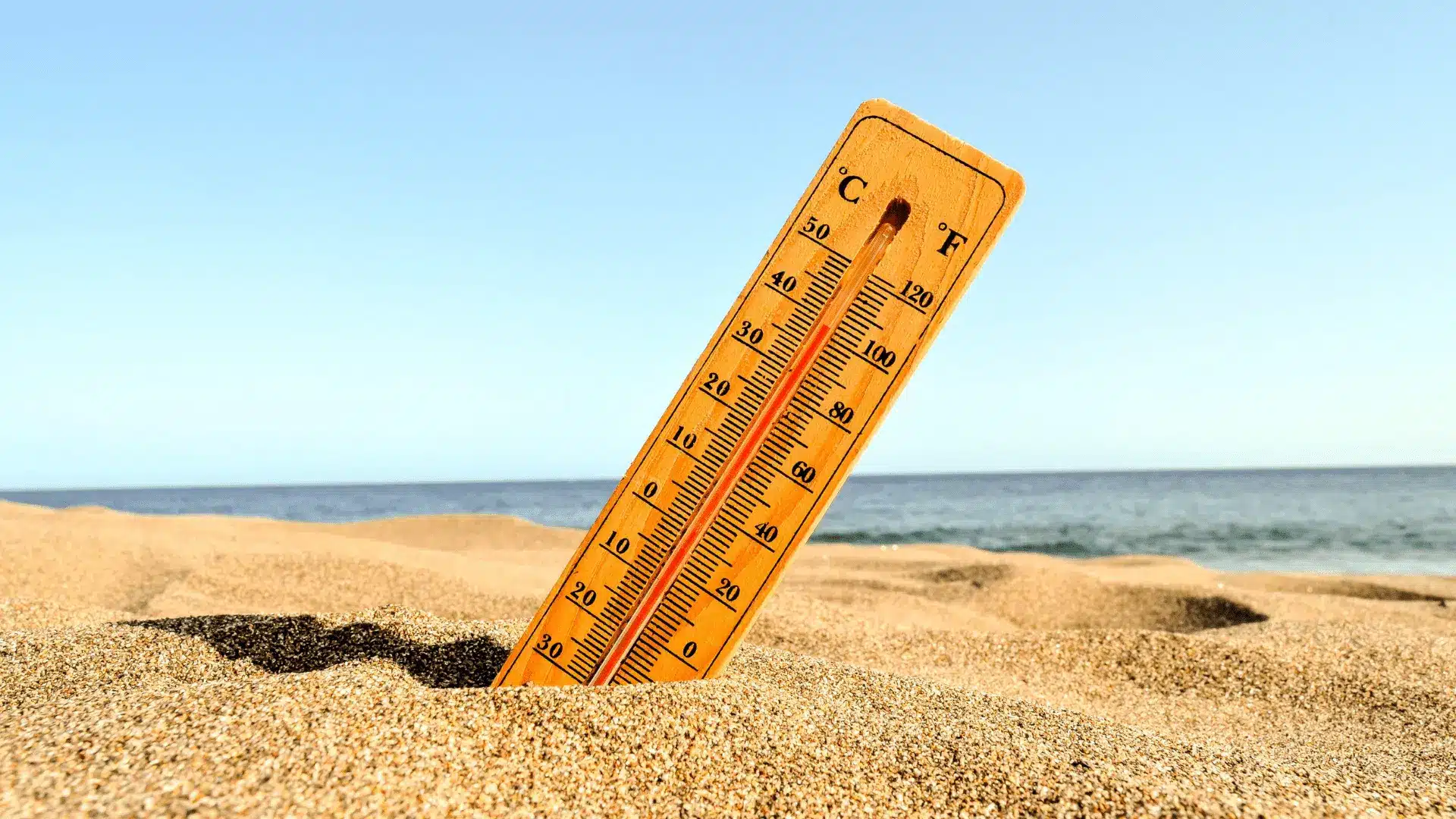
Heatwaves, periods of unusually high temperatures, are growing more frequent and intense because of climate change.
-
Beyond obvious health risks like dehydration and heat exhaustion, studies are now showing possible impacts on reproductive health in both men and women.
EFFECTS ON WOMEN
-
Egg Quality Reduction: Extreme heat may lead to oxidative stress that damages eggs’ genetic material, lowering their fertilisation potential.
-
Disrupted Ovulation: Hormonal balance can be disturbed by heat, resulting in irregular menstrual cycles or not ovulating regularly.
-
Implantation Problems: Heat stress may interfere with uterine function, making it harder for a fertilised egg to implant properly or develop fully.
-
Menstrual Irregularities: Exposure to high heat can lead to heavier bleeding, more painful periods, shorter or longer cycles, or even missed periods (amenorrhoea).
-
Dehydration Impacts: When dehydrated, cervical mucus may decrease, making the environment less favourable for sperm movement and fertilisation.
-
Mental Health & Stress: Heat waves cause more than physical strain; sleep disturbances, anxiety, and stress are common, all of which may indirectly impair reproductive health.
EFFECTS ON MEN
-
Reduced Sperm Quality: High environmental or internal temperatures can lower sperm count, impair motility (movement), and affect sperm morphology (shape).
-
DNA Damage in Sperm: Oxidative stress from heat may damage sperm DNA, which could impact both fertilisation success and embryo quality.
-
Testicular Overheating: Since the testes are designed to stay cooler than the body, sustained heat can disrupt spermatogenesis (sperm production).
BROADER REPRODUCTIVE HEALTH IMPLICATIONS
-
Heatwaves may increase the risk of pregnancy-related complications, such as miscarriages, preterm birth, or low birth weight.
-
Hormonal imbalance and general body stress induced by heat can make conditions like PCOS, menstrual disorders, and other fertility-related issues worse.
MITIGATION STRATEGIES & PRACTICAL ADVICE
This Cloudnine article offers several actionable suggestions for individuals to reduce heat-related fertility risks:
-
Heat Exposure Reduction: Avoid saunas or hot tubs; wear loose, breathable clothes; seek shade or air-conditioned areas regularly; reduce exertion during peak heat hours.
-
Hydration: Increase water intake; include hydrating foods (fruits, vegetables); replace fluids lost through sweat.
-
Diet & Nutrition: Focus on antioxidants, vitamins, minerals (e.g. omega-3s, folate); reduce oxidative stress via balanced meals.
-
Supplements: Under medical advice, consider supplements such as CoQ10, selenium, zinc for men; prenatal vitamins for women.
-
Sleep & Environment: Keep bedroom cool; use fans or air conditioning; blackout curtains to reduce heat build-up.
-
Stress Management: Practise mindfulness, reduce exposure to intense heat during stressful tasks or work outdoors; prioritise rest.
-
Exercise Timing: Exercise during cooler parts of the day (early morning or evening); avoid strenuous activity in peak afternoon heat.
LIMITATIONS & AREAS NEEDING MORE RESEARCH
-
Much of the evidence is suggestive rather than definitive; human studies are fewer and often observational.
-
Effects vary widely depending on individuals’ environment, access to cooling infrastructure, hydration, health status, and pre-existing fertility conditions.
-
The precise thresholds of heat exposure that begin to affect fertility (duration, peak temperature, humidity) are not yet clearly established.
CONCLUSION
Heat Waves represent an emerging risk factor for fertility in both men and women. They can negatively impact egg and sperm quality, disrupt ovulation and menstrual cycles, and increase the likelihood of pregnancy complications. While individuals cannot always control ambient conditions, adopting preventive strategies such as minimising heat exposure, staying hydrated, optimising nutrition, and maintaining healthy lifestyle habits can help buffer against these adverse effects.
