
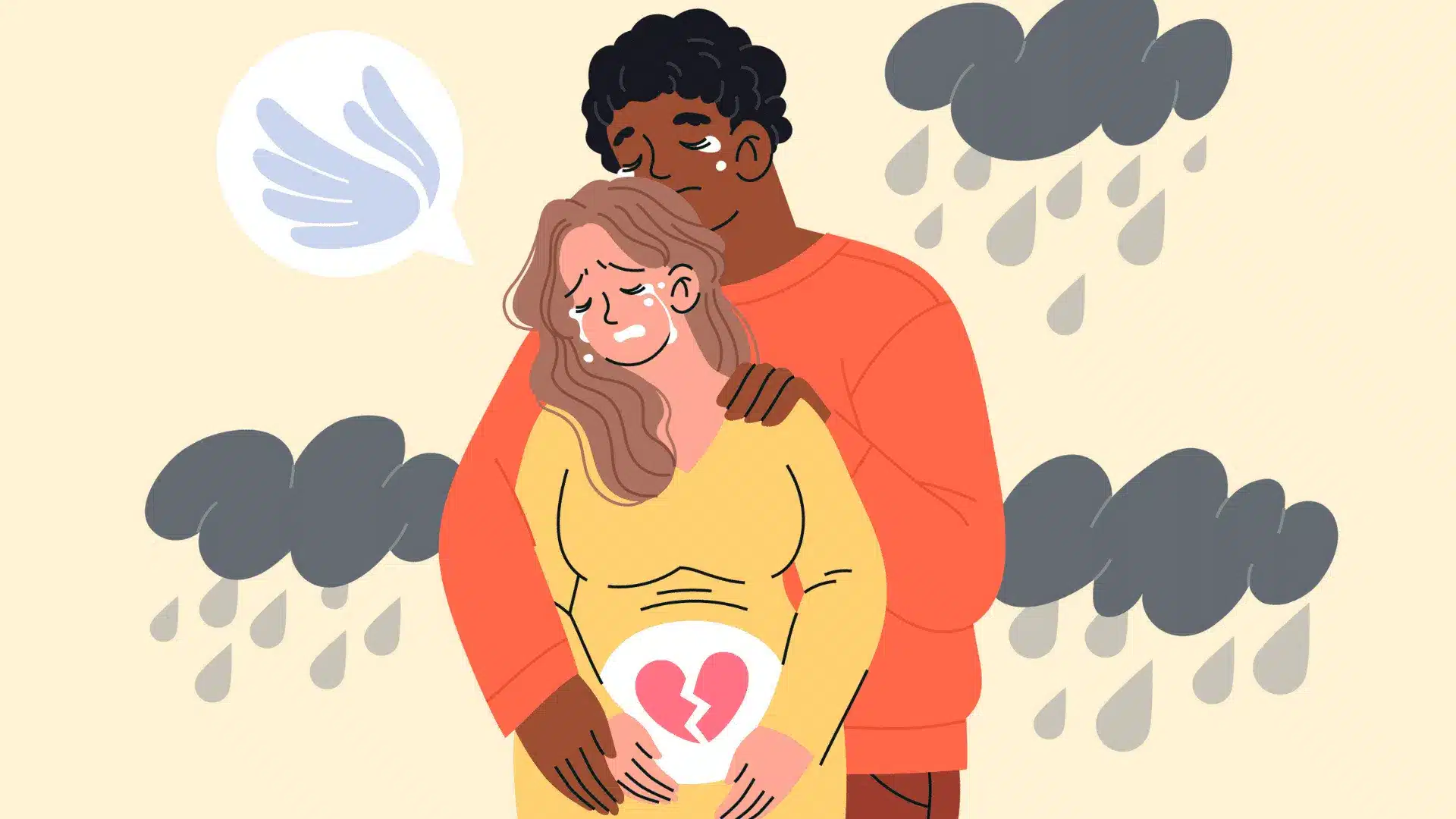
A miscarriage is the spontaneous loss of a pregnancy before the 20th week and affects up to 1 in 4 known pregnancies. Clinicians sometimes call it early pregnancy loss with many losses occurring before a person even realises they are pregnant. Most miscarriages (about eight in ten) occur before week 12, yet later losses can happen, often for different reasons.
Read about the details of the various symptoms of miscarriage, which can vary depending on the stage of pregnancy. These include vaginal bleeding or spotting, which can range from light to heavy; cramping or pain in the abdomen or lower back; and the passage of tissue or clots from the vagina. It’s crucial to note that while some bleeding can occur in early pregnancy without indicating a miscarriage, any bleeding should be promptly evaluated by a healthcare provider.
The causes of miscarriage are multifaceted and often difficult to pinpoint. However, the article highlights several key factors. The most common cause, especially in first-trimester miscarriages, is chromosomal abnormalities in the baby, which prevent normal development. Other contributing factors include hormonal imbalances, uterine problems (such as fibroids or scarring), certain medical conditions in the mother (like diabetes or thyroid disorders), infections, and lifestyle factors (such as smoking, excessive alcohol consumption, and drug use). In some cases, the cause of a miscarriage remains unknown.
Risk factors are also addressed, that can increase the likelihood of miscarriage. These include advancing maternal age (particularly after 35), previous miscarriages, certain chronic illnesses, and lifestyle choices. It emphasizes that while some risk factors are unavoidable, adopting a healthy lifestyle before and during pregnancy can help minimize the risk. The article concludes by stressing the importance of seeking medical care and emotional support after a miscarriage, as it can be a physically and emotionally challenging experience.
