
Male InfertilityTreatments and ServicesApril 17, 2026
Low Sperm Count: Symptoms and when to see a doctor
Oligospermia (low sperm count) is often symptomless, found via semen testing, and treatable. Learn diagnosis and when to see a doctor.

Oligospermia (low sperm count) is often symptomless, found via semen testing, and treatable. Learn diagnosis and when to see a doctor.

IVF is 4 to 6 weeks: stimulation, egg retrieval, lab fertilisation, embryo transfer and pregnancy testing, monitored to maximise conception chances.

IVF success varies by age: ~40–50% under age 35, <10% over 40. Decline is due to egg quality, but multiple cycles or donor eggs can improve chances.
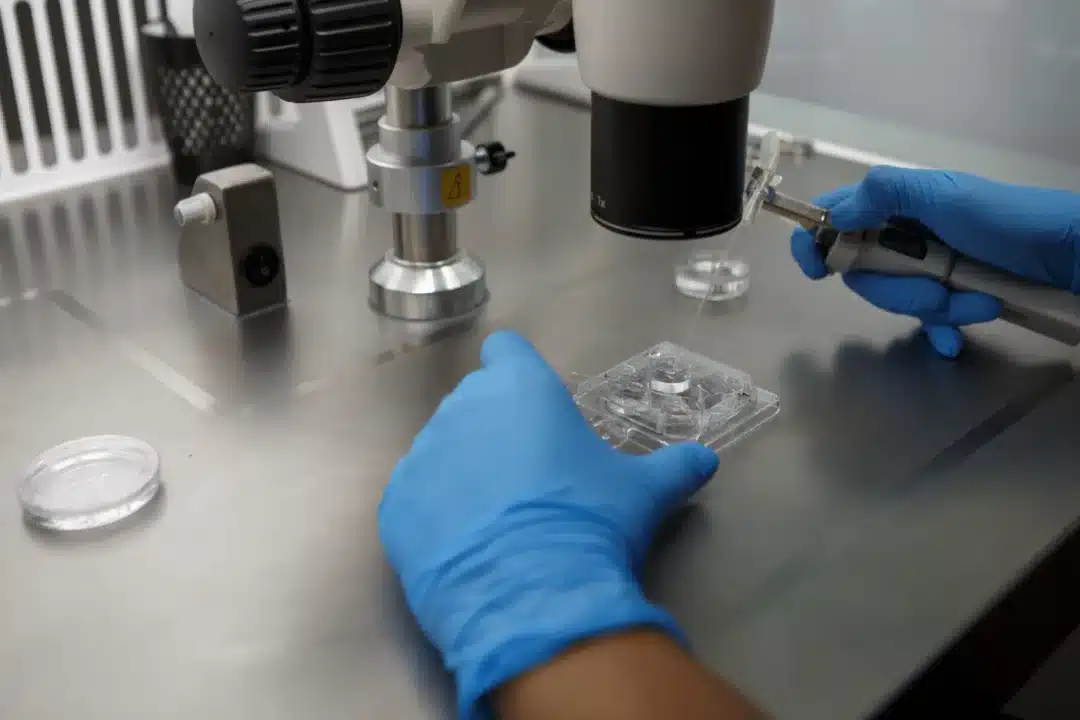
IVF enables pregnancy through managed stimulation, egg retrieval, fertilisation, embryo transfer, and testing, with frozen embryos for future use.
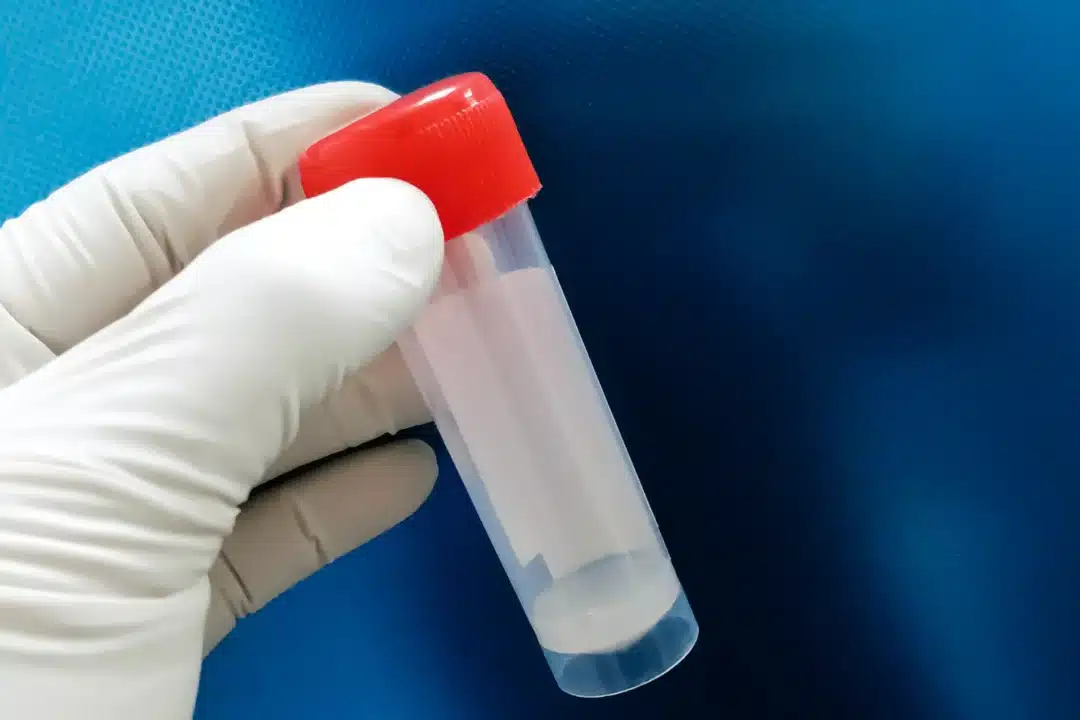
Semen analysis assesses sperm quantity and quality to help identify male infertility; results guide on further testing and treatment.
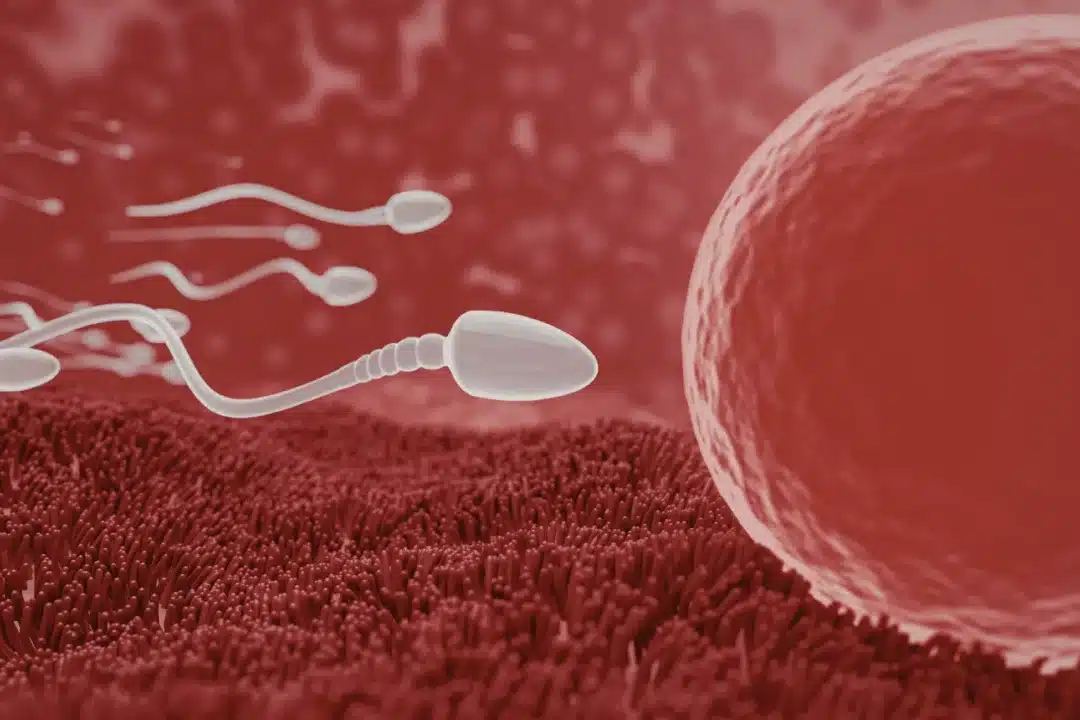
Oocyte activation triggers embryo development: failure prevents fertilisation, but AOA can help overcome this and improve IVF/ICSI outcomes.

Autoimmune diseases harm fertility via inflammation and antibodies, while raising miscarriage and pregnancy complication risks.

Egg collection in IVF involves prep, hormone stimulation, egg retrieval under sedation, lab fertilisation or freezing, and brief recovery.

Adenomyosis is a uterine condition causing heavy periods, pelvic pain and infertility, diagnosed by imaging and managed with medication or surgery.

Balancing IVF processes and a career requires a combination of logistical planning, clear communication, and self-care boundaries to prevent burnout.

Get in touch today to learn more about how you can start your fertility journey.