
Seek fertility support after trying for 1 year if under 35, 6 months if 35 or older, or sooner if you have known conditions that affect fertility.

Seek fertility support after trying for 1 year if under 35, 6 months if 35 or older, or sooner if you have known conditions that affect fertility.
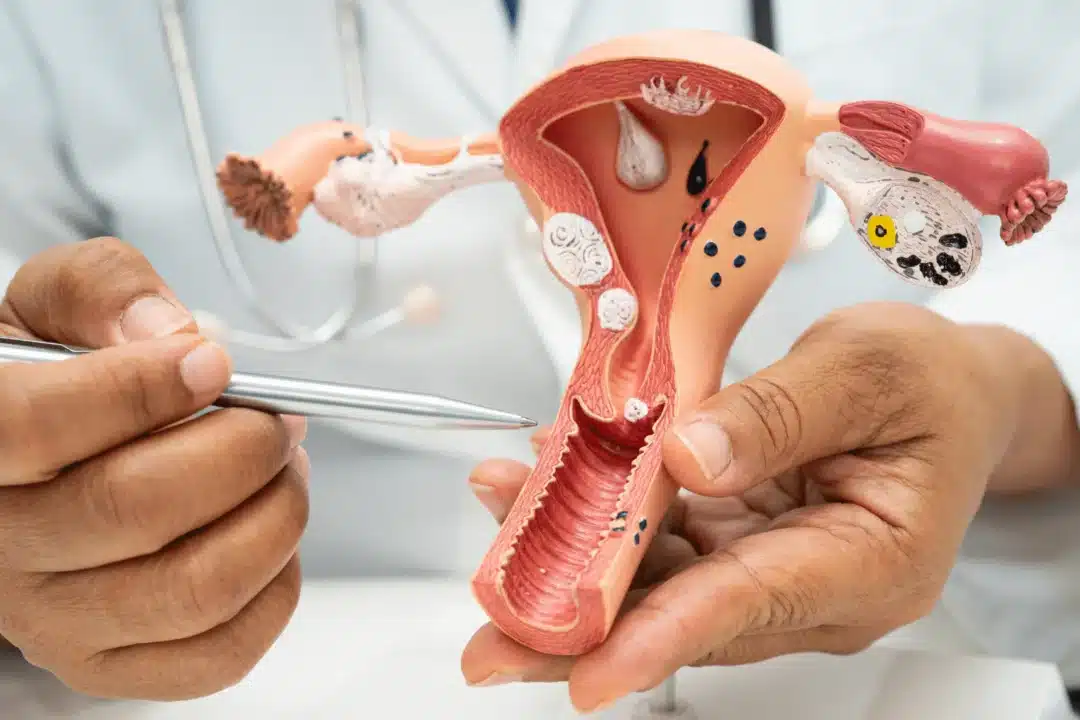
Uterine polyps are usually noncancerous growths that can interfere with fertility, but treatment can improve conception and embryo implantation.

Waiting 4 to 6 weeks after a failed IVF cycle to recover physically and emotionally, is common, but varies based individual circumstances.

Sickle Cell Disease can affect fertility and pregnancy, but early specialist advice, preconception planning, and support can improve outcomes.
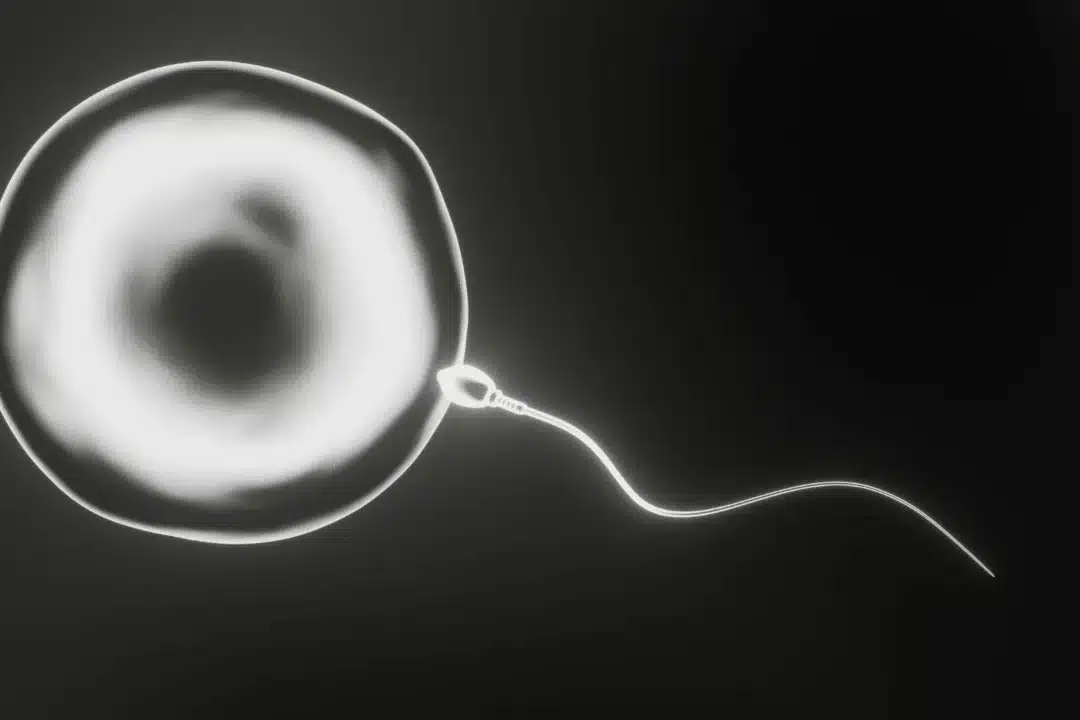
Egg quality impacts fertility and IVF success. Healthy lifestyle habits and medical support may improve egg health and pregnancy outcomes.
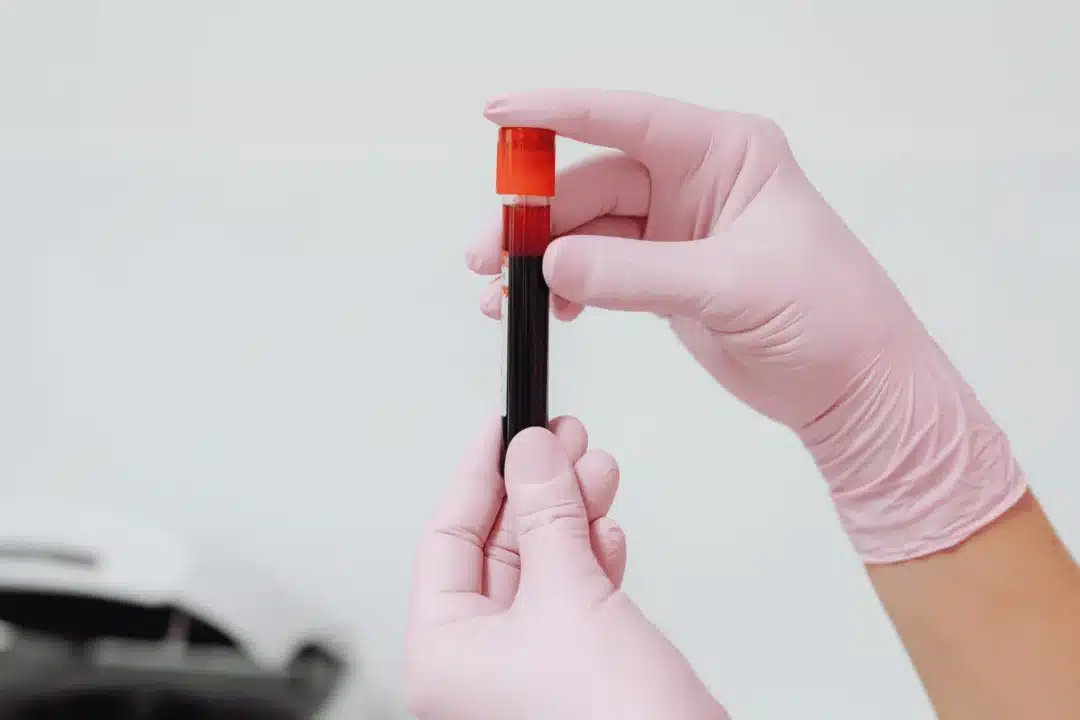
Thalassemia can affect fertility and pregnancy through anaemia and iron overload, but treatment and fertility care can improve outcomes.

Good blood flow supports egg quality by delivering oxygen and nutrients to ovaries, improving fertility, IVF success, and egg health.
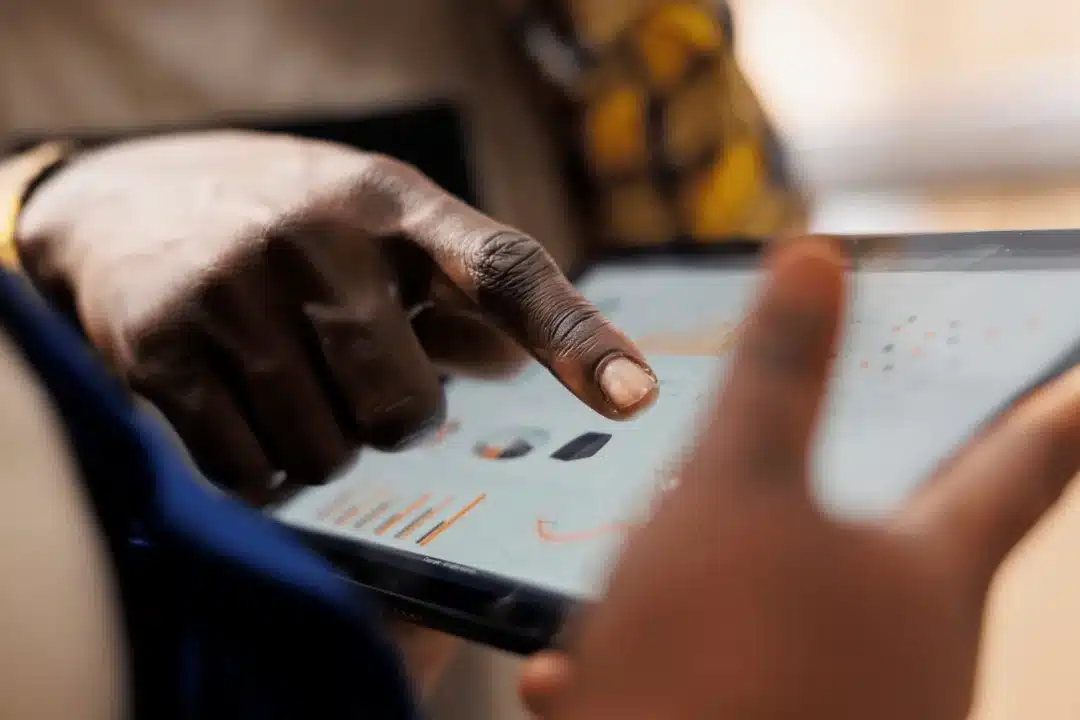
Egg freezing works best when young with 15–20+ eggs; age and egg count drive success, while attrition reduces outcomes at each stage.
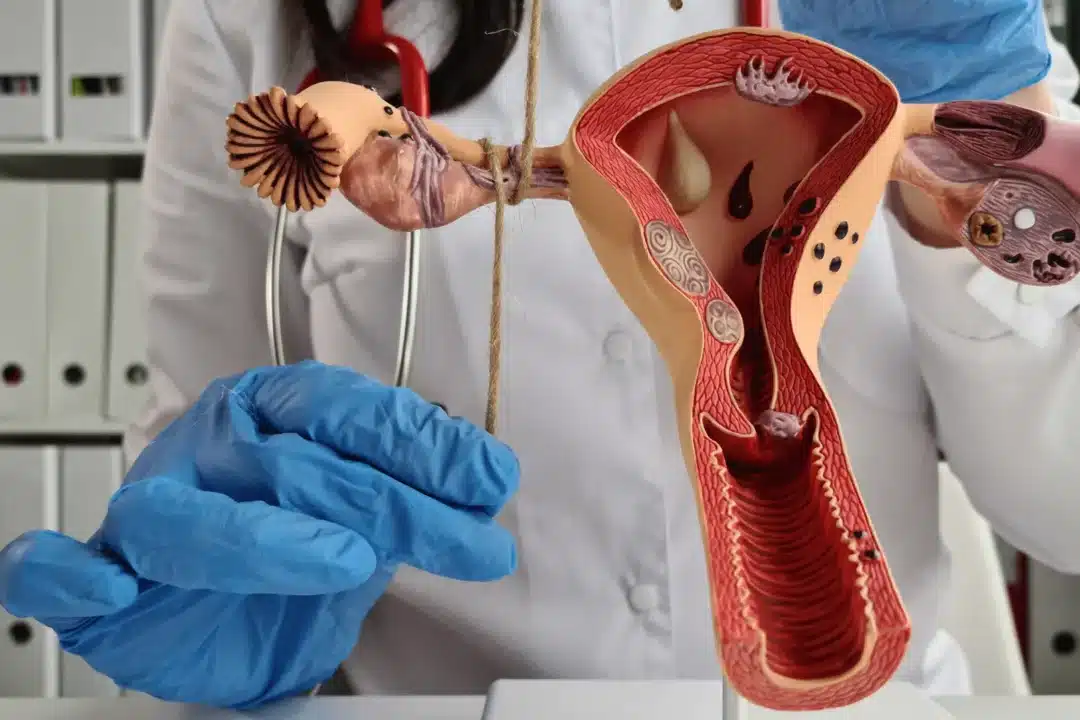
Blocked fallopian tubes (30% of infertility) often from infection, endometriosis, or surgery, prevent egg-sperm meeting; IVF can bypass severe cases.
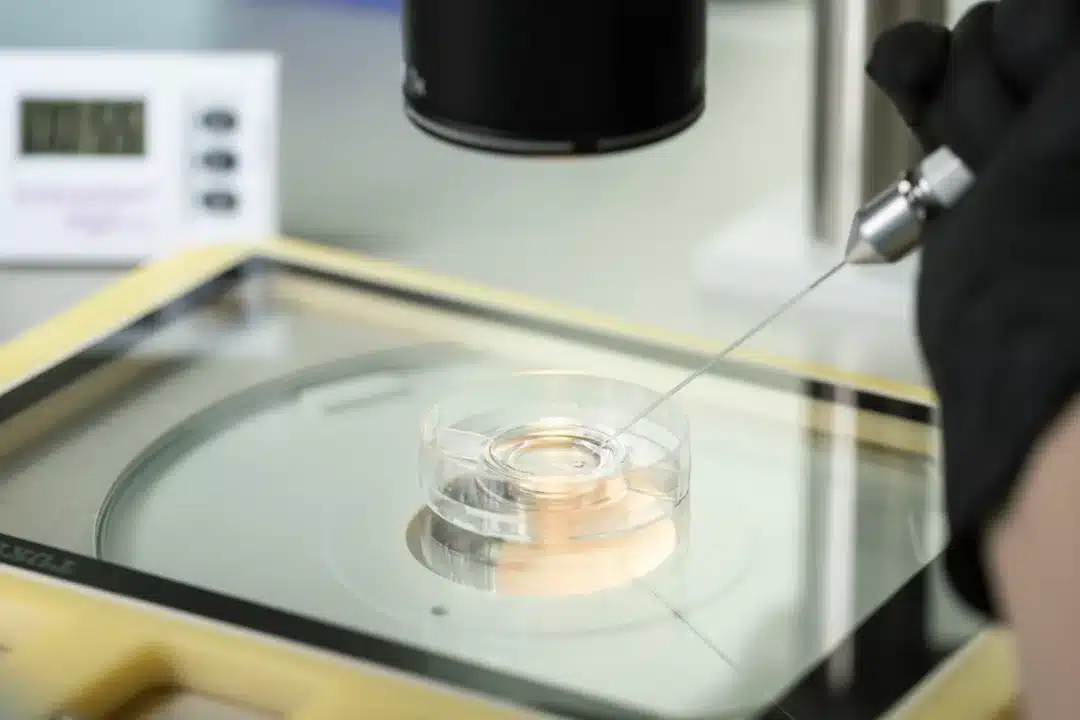
IUI inserts sperm into the uterus: simple, low-cost, lower success. IVF fertilises eggs in a lab: complex, costly, but with higher success rates.

Get in touch today to learn more about how you can start your fertility journey.