
Article by Dr Murage, Consultant Gynaecologist and Fertility Specialist.
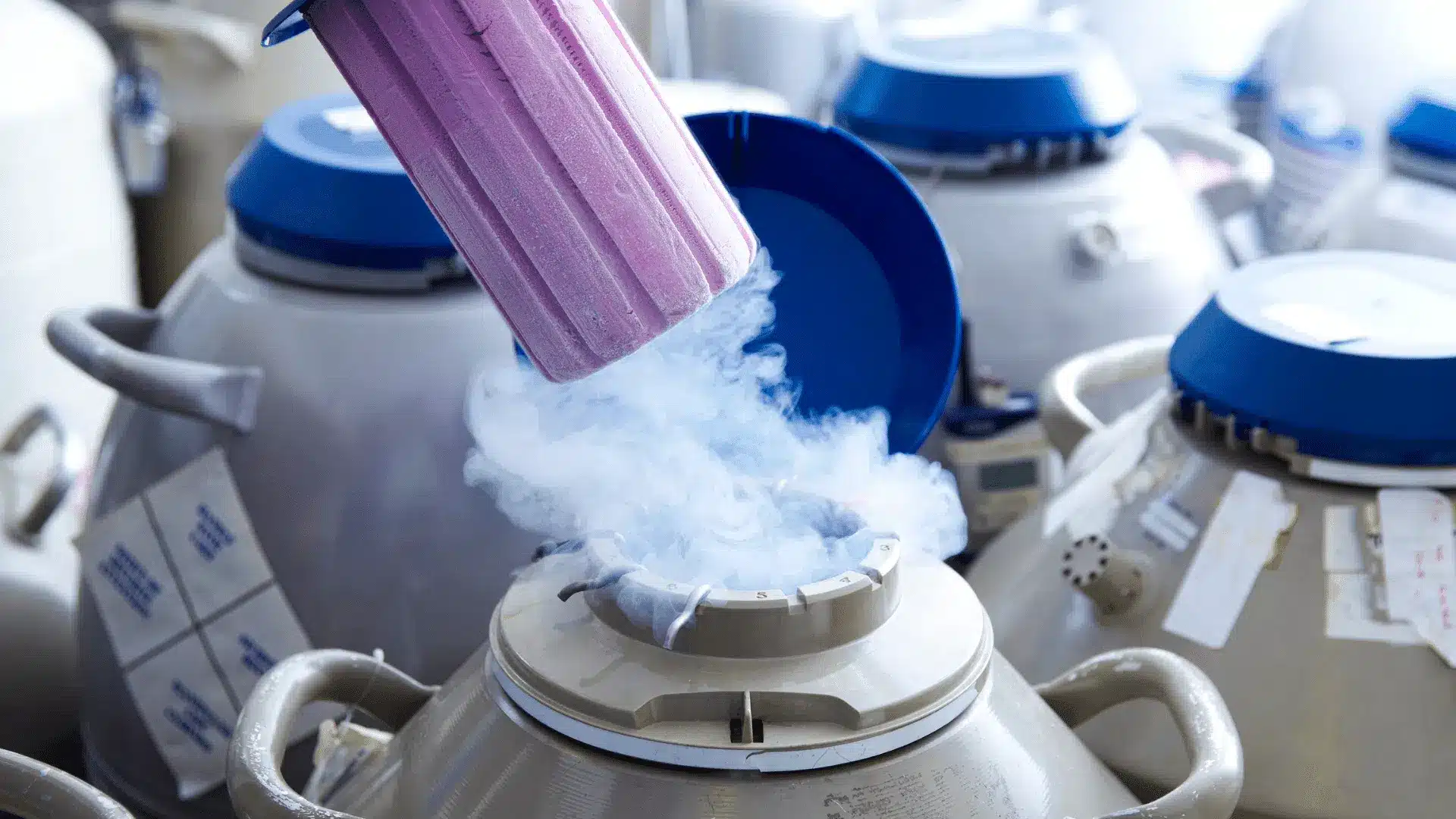
The diagnosis of cancer is usually a heartbreaking moment. Thankfully, many people with cancer end up with appropriate treatment that either leads to a cure or long-term survival. But when young people get diagnosed with cancer, treatment modalities may negatively affect their future reproduction. This is where fertility preservation comes in. Some may never have heard of fertility preservation. The term simply stands for the process of preserving eggs, sperm, or fertilised eggs (embryos) for future use.
In selected cases, portions of the ovaries or testes can also be preserved. When the right time comes, the preserved reproductive samples can then be prepared for use, eventually leading to a successful pregnancy.
Some cancers may directly involve the reproductive system, thereby negatively impacting the capacity to reproduce. Cancer treatment for both cancer of the reproductive system and other types of cancer may also affect reproductive function. Chemotherapy and radiotherapy are common treatment modalities and may irreversibly damage reproductive organs. Cancer specialists should work closely with fertility specialists when dealing with young patients in order to put in place appropriate measures that would help preserve future fertility.
If faced with cancer at a young age, consideration of fertility preservation should always be part of a holistic treatment approach. Cancer specialists can then map out a treatment plan, considering how that may fit into opportunities for fertility preservation. Referral to a fertility centre should be initiated thereafter, with a sense of urgency. The fertility team will assess and make the appropriate fertility preservation recommendations specific to the individual assessment.
For men, a sperm sample is all that is required. Most men will be able to give a sperm sample almost immediately by masturbation. But in some cases, a surgical procedure may be required to retrieve sperm directly from the testes. Once frozen, the sperm will remain effective or viable long-term.
For women, the processes are more involving. Injectable hormones are given to stimulate the ovaries to produce several eggs. A monitoring period of about two weeks is usually required for the eggs to mature. Retrieval of the eggs from the ovaries is a short surgical procedure which is done under a mild anaesthetic. The eggs are then analysed for viability and frozen. They can also be fertilised and frozen as embryos, which would be relevant if the female is already in a stable relationship.
Concerns have been raised about the effect of fertility medications on certain cancers. Research data remains reassuring. For some cancers, supplementary precautionary measures will be applied in women during the period of ovarian stimulation. The time it takes to complete the process appears not to negatively influence the eventual outcome of cancer treatment. Additionally, pregnancies resulting from previously preserved reproductive samples are no different from naturally conceived pregnancies.
