
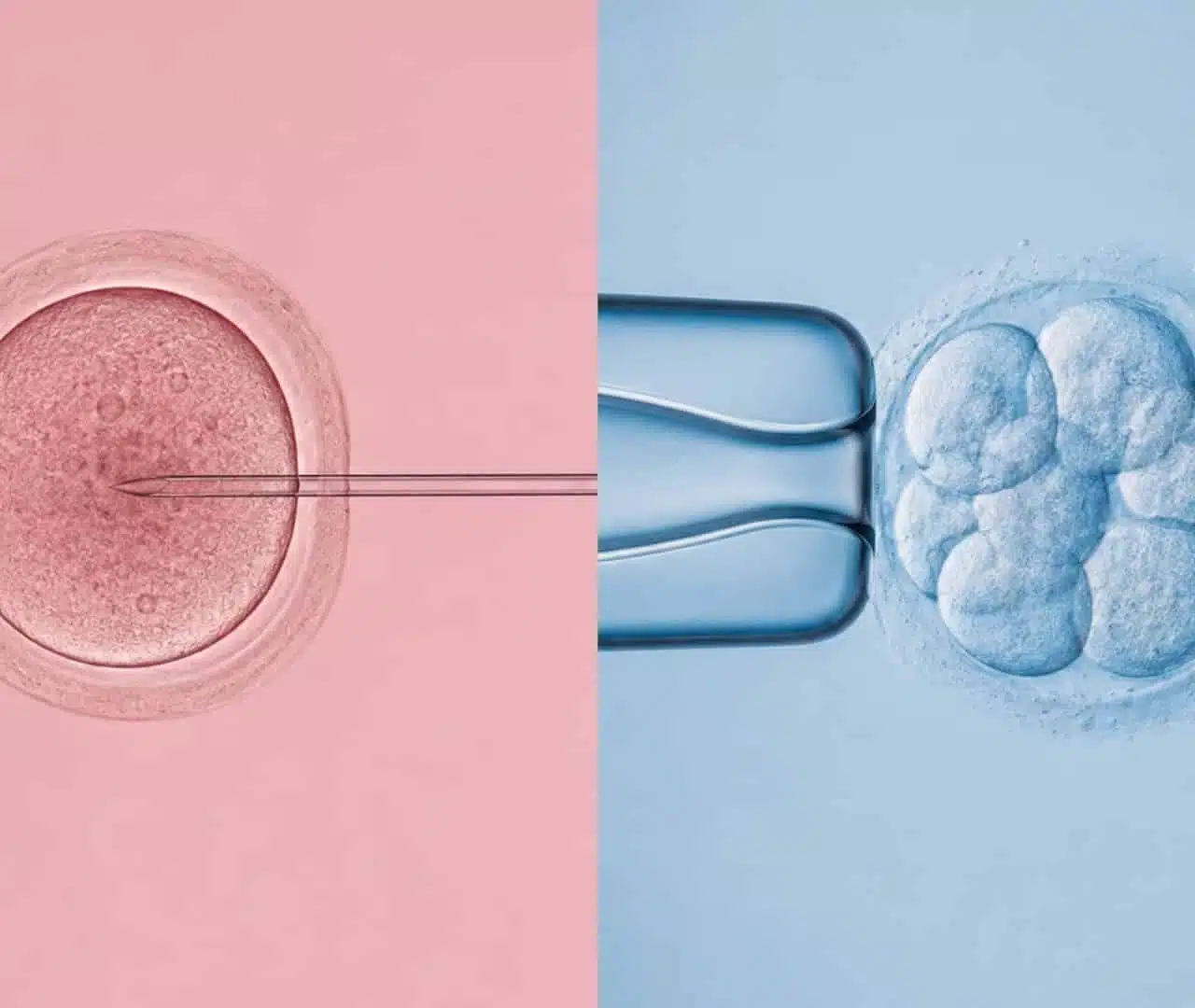
The choice between egg freezing and embryo freezing depends on individual circumstances, such as relationship status, reproductive goals, and personal preferences. Understanding the differences helps a lot in the decision making:
Egg Freezing
- Process: Involves stimulating the ovaries with hormones to produce multiple eggs, which are then collected and frozen unfertilized.
- Flexibility: Allows women to preserve their eggs without needing to decide on a sperm donor or partner, providing greater reproductive autonomy.
- Cost: Generally lower upfront costs compared to embryo freezing since IVF isn’t required at the time of egg retrieval.
Embryo Freezing
- Process: Similar initial steps to egg freezing, but the eggs are fertilized with sperm to create embryos before freezing.
- Information: Provides more immediate information on the viability of the eggs, as only those that fertilize and develop into embryos are stored.
- Commitment: Requires deciding on a sperm source upfront, which might limit future options if circumstances or partners change.
Similarities
- Storage Duration: Both eggs and embryos can be stored for over 10 years.
- Efficacy: Both methods have similar success rates in terms of live birth rates.
Considerations
- Moral and Ethical: Some individuals and faiths have concerns with embryo freezing due to the potential of discarding embryos.
- Legal and Emotional: Embryo freezing may involve more complex decisions and potential legal issues if relationships change.
This article by HealthNews, delves deeper into considerations for making the choice for different individuals.
