
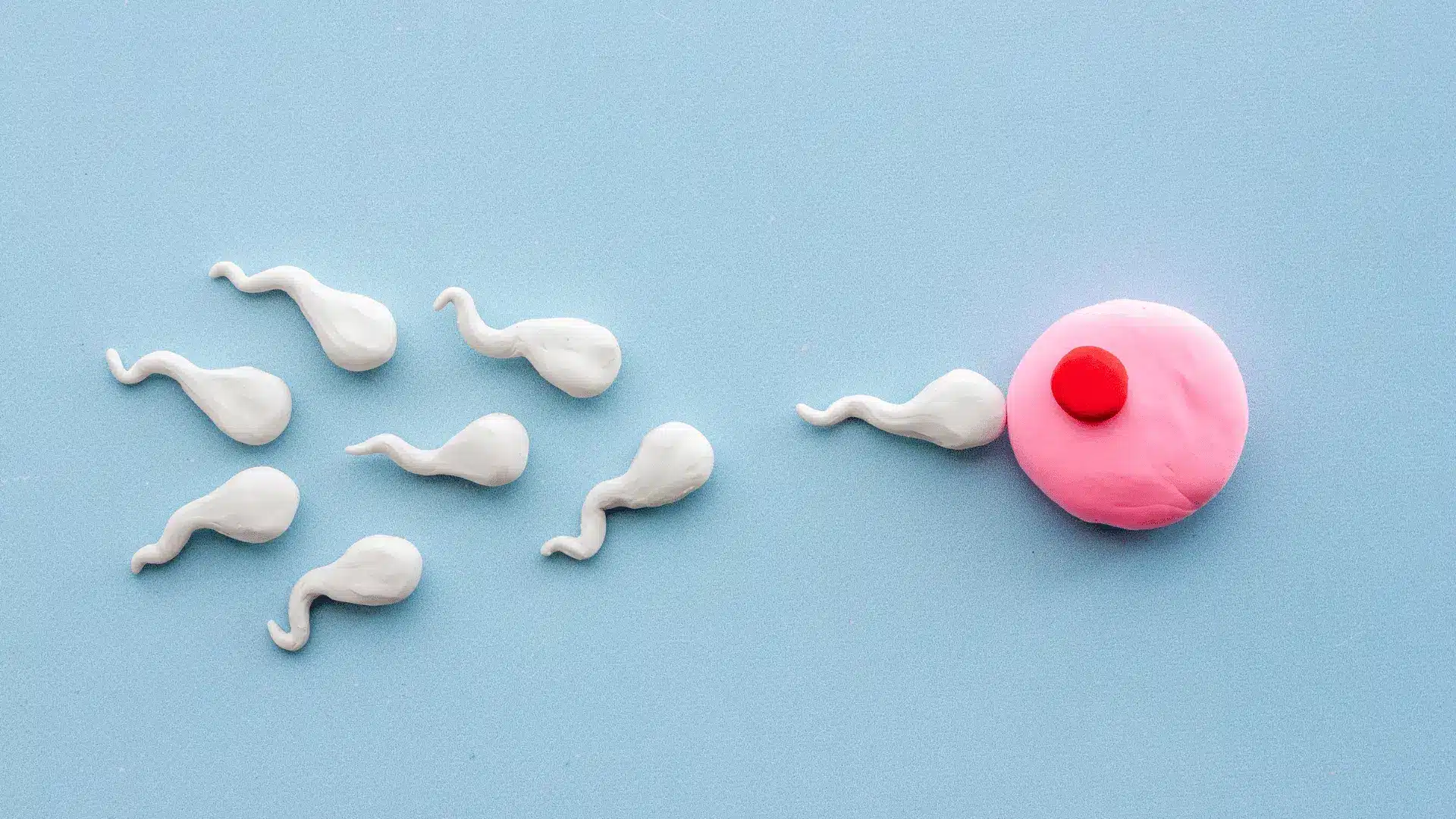
Advanced fertility treatments are available in Kenya, although out of reach for many because of the high cost and limited insurance coverage. The need to use donated eggs, sperm or embryos (fertilised eggs) seems to be on the increase, mainly due to couples postponing pregnancy, due to career or financial reasons. Increasing age, especially in females, decreases the ability to get pregnant naturally after the mid-30s and onwards for both females and males. No individuals or couples should ever hastily get themselves into donor fertility programs without fully understanding the complexity of the process.
But who really needs a donor? At one extreme, there are women who are not producing eggs of their own and men with issues of having healthy sperm, if any. These individuals are suitable to use donated eggs or sperm, or even embryos. With advancing age, egg numbers become depleted and are of poor quality, requiring older women to get donated eggs. In addition, there are single women who may want to conceive with donated sperms. There are a number of other situations that will lead individuals or couples to require a donation.
Eggs, sperm and embryo donors must be selected carefully. They need to be young and preferably have naturally born children of their own, improving the chances of success from their donations. Donors should be in good health, free of infectious and genetically inheritable diseases, of sound mind, and must not be forced to donate. Those donating often do so out of goodwill or for a reasonable fee to cover related expenses. We advise that the donation be anonymous to both the donor and the recipient(s); however, some donors and recipients may choose to be known to the other. Those who use donations to get pregnant and have a successful pregnancy are advised to inform the children born from this of their origins when they are of the right age to understand the reasons parents had to use donations.
Once there is no doubt about the need for a donor, the process can start. Both donors and recipients complete a thorough clinical assessment to confirm the suitability of proceeding with treatment.
A psychological review is also recommended in order to explore non-clinical matters, such as social and emotional matters related to the complexities of donor fertility treatments. Both parties must complete consent forms and relevant disclaimers.
Despite a well-managed donation/recipient fertility process, several matters may still arise in the future. One recurrent issue is the maintenance of anonymity if this was agreed from the start. Some countries have regulated donation programmes, while others, like Kenya, don’t have a legal framework in place yet. The UK, for example, requires a donor/recipient national register and allows those of legal age to access information that may reveal if they were born out of a donor process. This basically identifies the donor who can eventually be contacted by the child if desired. This policy by the Human Fertilisation and Embryology Authority (HFEA), UK, has resulted in many donors withdrawing their consent, resulting in a shortage of donors and more frustration for recipients. Thus, some Kenyan couples from the UK now come back to Kenya for treatment.
At Harley Street Fertility Centre Kenya Ltd, all donors are seen initially and asked to fill in a questionnaire. All donors undergo fertility tests and infection screens before they are accepted on the programme.
Recipients are counselled and are given non-identifiable information regarding their donor. This is to avoid the resulting child finding out about their origins from a third party. No information is given to any third party without written consent from both partners undergoing treatment.
