
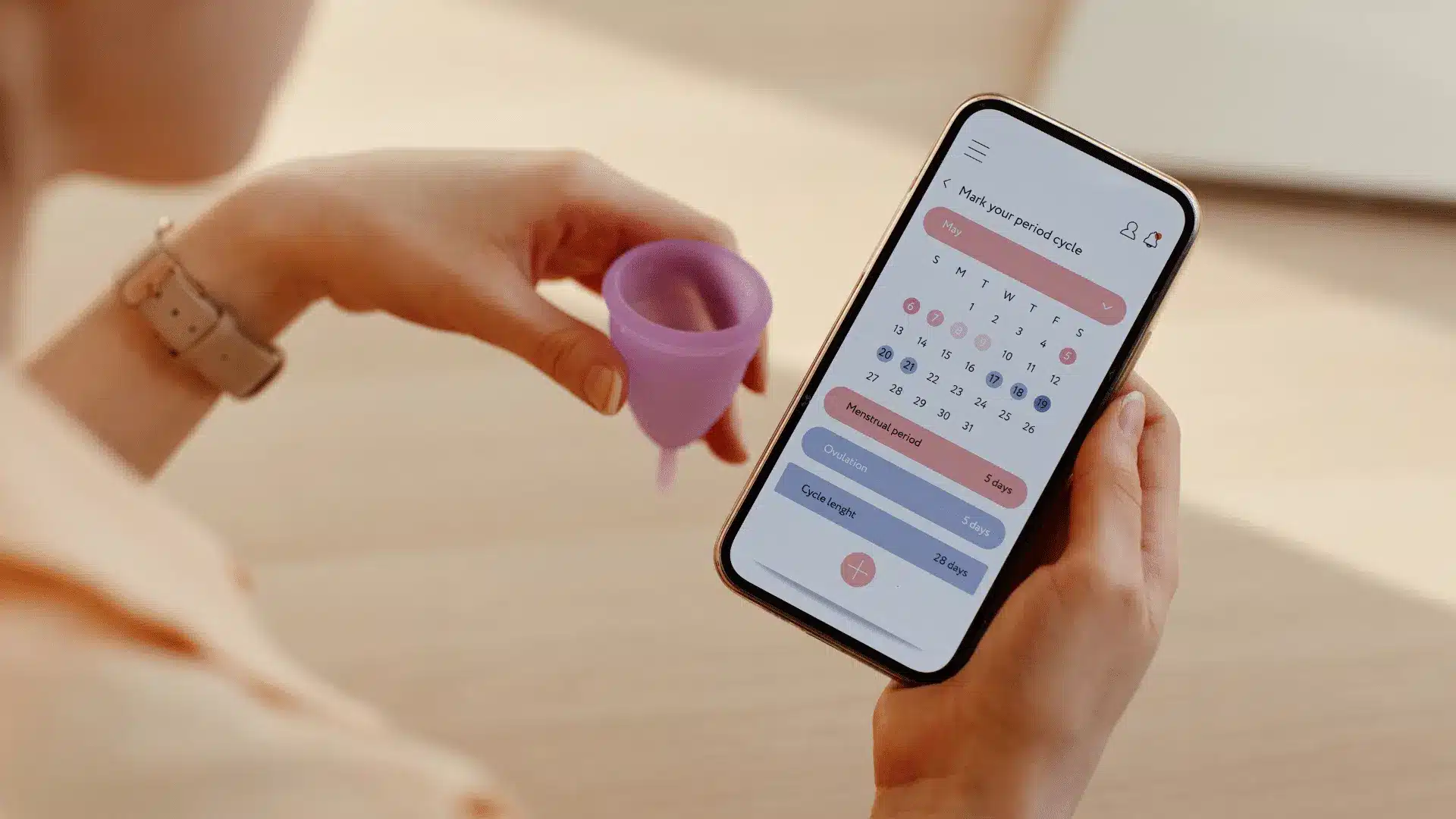
The menstrual cycle is the time from the first day of a woman’s period to the day before her next period. It is controlled by hormones that cause the ovary to develop and release an egg, while the womb lining thickens in preparation for a fertilised egg. If pregnancy does not occur, the egg is reabsorbed into the body and the womb lining is shed as a period. This cycle typically lasts 28 days but can vary from 21 to 35 days, with periods lasting around 2 to 7 days.
Ovulation, the release of an egg, occurs around 10 to 16 days before the next period, and this is when a woman is most fertile. While conception occurs most likely during ovulation, it is possible to get pregnant at other times, as sperm can survive for several days.
Contraception methods like the combined pill, patch and injection work by stopping ovulation.
Read more about what happens during the menstrual cycle and the importance of ovulation in this article by the NHS.
