
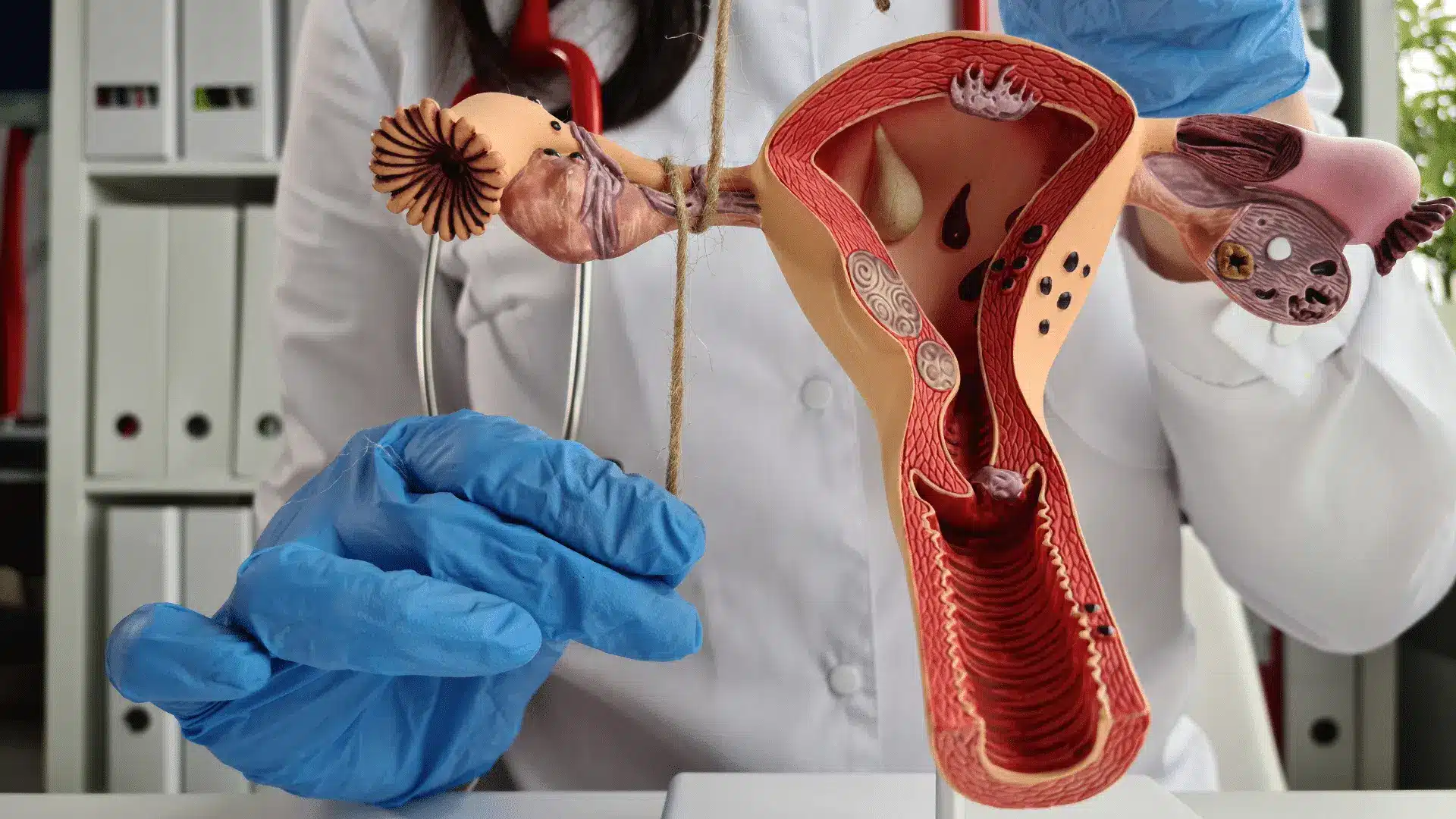
Blocked or damaged fallopian tubes are a significant cause of infertility in women, where over 30% of infertility cases involve tubal problems. Also known as tubal disease or tubal infertility, it often results from infections, surgeries, or conditions like endometriosis. These blockages prevent the egg from reaching the uterus, making natural conception difficult and increasing the risk of ectopic pregnancy.
Fallopian tube obstruction (or tubal occlusion) is a condition where one or both fallopian tubes are partially or completely blocked. These tubes are the critical pathway where sperm meet the egg for fertilisation and where the resulting embryo travels back to the uterus for implantation. When they are obstructed, natural conception becomes difficult or impossible.
Causes of Obstruction
Blockages are most commonly caused by scar tissue or pelvic adhesions resulting from:
- Pelvic Inflammatory Disease (PID): Often caused by untreated sexually transmitted infections (STIs) like chlamydia or gonorrhoea.
- Endometriosis: Uterine lining tissue growing outside the womb can scar or block the tubes.
- Previous Surgeries: Past abdominal or pelvic procedures (e.g., C-sections, appendix surgery) can create adhesions.
- Ectopic Pregnancy: A past pregnancy that occurred in the tube can leave behind permanent damage or scarring.
- Hydrosalpinx: A specific type of blockage where the tube fills with fluid and swells.
- Tubal ligation (“tubes tied”): Intentional blocking of tubes for birth control, which is sometimes reversible but requires surgery.
Common Symptoms
Blocked fallopian tubes often do not present symptoms on their own, unlike most other infertility issues, and are only discovered when being assessed for infertility. However, the underlying conditions that can lead to blocked or damaged tubes, such as endometriosis and PID, may result in symptoms like painful periods or heavy bleeding during and between periods. Additionally, the condition of hydrosalpinx is known to cause unusual vaginal discharge and pain during intercourse.
Diagnosis and Testing
Specialised imaging is required because tubes are not clearly visible on standard ultrasounds.
- Hysterosalpingogram (HSG): A specialised X-ray where dye is injected into the uterus; if the dye doesn’t flow through the tubes, they are likely blocked.
- Hysterosalpingo-contrast sonography (HyCoSy): A similar procedure using saline and ultrasound waves.
- Laparoscopy: A minimally invasive “keyhole” surgery where a camera is used to directly view the tubes.
Treatment Options
- Surgical Repair: If scarring is minimal, laparoscopic surgery can remove adhesions or create new openings (salpingostomy). There are risks of scarring again after surgery and an increased risk of ectopic pregnancy.
- Tubal cannulation: This is a less invasive, non-surgical procedure that uses a catheter to clear blockages near the uterus. It assures quicker recovery.
- Tubal ligation reversal: This procedure reconnects tubes after the intentional blocking of tubes for birth control
- In Vitro Fertilisation (IVF): Since IVF retrieves eggs directly from the ovaries and bypasses the tubes entirely, it is often the most effective path to pregnancy for those with severe blockages or those without tubes.
- Management of Underlying Conditions: Using antibiotics to treat active infections like PID can prevent further damage.
Fertility outlook after treatment
Chances of pregnancy vary widely (10% – 80%) depending on the age of the patient, severity of damage, tube length after surgery and location of blockage. Better outcomes are seen when the blockage is near the uterus, and less scarring is present. Women over 35 may still need IUI or IVF after treatment.
Key takeaway
Age, length of fallopian tubes, amount of tubal scarring and severity of associated fertility conditions all play a role in a woman’s ability to get pregnant after having fallopian tube blockage treatment. IVF is recommended for women over 35 years, and those with damaged or blocked fallopian tubes that cannot be treated, and it can also help those without fallopian tubes.
This article by Loma Linda University, Center for Fertility & IVF, provides more information on all these aspects regarding blocked or damaged fallopian tubes.
