
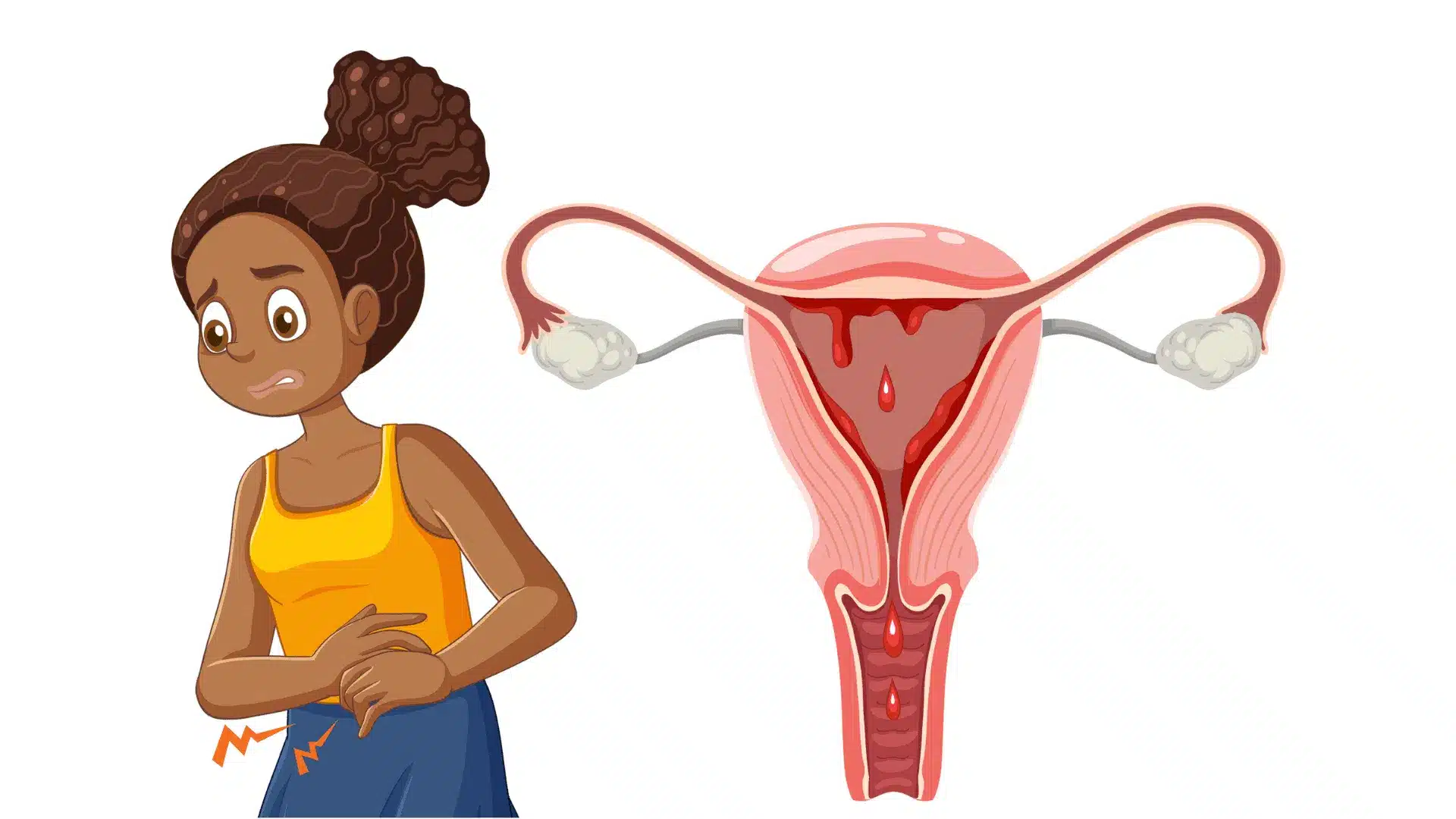
Adenomyosis is a gynaecological condition in which the tissue that normally lines the uterus (endometrium) grows, in a non-cancerous way, into the muscular wall of the uterus (myometrium). This causes the uterus to become enlarged, leading to heavy periods, pelvic pain, and infertility. While adenomyosis is more commonly diagnosed in women in their late 30s and 40s, it is increasingly recognised in women who are trying to conceive. It can be diagnosed with imaging and managed with medications or surgery based on severity and reproductive goals.
How Common Is Adenomyosis?
Many women with adenomyosis do not have symptoms, and how common it is, is unknown. It is more frequently diagnosed in women over age 40 and in individuals who’ve had past uterine procedures. Some adolescents with severe menstrual pain may also have adenomyosis.
CAUSES AND RISK FACTORS
The exact cause of adenomyosis is unknown, but several theories include:
- Hormonal influences, particularly oestrogen, which stimulates endometrial tissue growth
- Genetic, inflammatory, or trauma-related processes
- Risk factors: age (especially 40–50), prior uterine surgery (e.g., C-section, fibroid removal, D&C), childbirth, and co-existing uterine conditions like
SYMPTOMS
About one-third of affected individuals experience no symptoms. Should you experience any of these symptoms, it is recommended to consult with your healthcare provider, who can refer you to specialist services, including a gynaecologist or fertility specialist. When symptoms occur, they may include:
- Heavy or prolonged menstrual bleeding
- Severe menstrual cramps (dysmenorrhea)
- Chronic pelvic pain or pressure
- Painful intercourse (dyspareunia)
- Enlarged uterus or abdominal fullness/bloating
Symptoms may worsen over time and can significantly impact quality of life.
DIAGNOSIS
- Diagnosis typically starts with a pelvic exam, where an enlarged or tender uterus may be observed.
- Imaging studies should follow, including:
- Transvaginal ultrasound can reveal uterine wall thickening
- MRI offers detailed views of adenomyosis involvement
- A biopsy may be used to rule out more serious conditions
COMPLICATIONS
- Anaemia can develop from chronic heavy bleeding.
- Infertility and miscarriage may occur if adenomyosis interferes with embryo implantation or the uterine environment.
- The condition does not increase cancer risk
How Adenomyosis Can Affect Fertility and Pregnancy
Adenomyosis may impact fertility in several ways:
- Impaired implantation: Changes in the uterine muscle and lining can reduce endometrial receptivity, making it harder for an embryo to implant.
- Altered uterine contractions: Abnormal uterine peristalsis may interfere with sperm transport or embryo implantation.
- Inflammation: Chronic inflammation associated with adenomyosis can negatively affect the uterine environment.
- Reduced in vitro fertilisation (IVF) success: Studies suggest lower implantation, pregnancy, and live birth rates, with higher miscarriage rates in women with adenomyosis undergoing IVF.
- Once pregnant, it is associated with increased risks of miscarriage and preterm labour.
MANAGEMENT AND TREATMENT
While symptoms often improve after menopause when oestrogen levels decline, treatment focuses on symptom relief and preserving fertility when desired:
Medications:
- Non-steroidal anti-inflammatory drugs (NSAIDs), e.g., ibuprofen, naproxen, for pain and cramping
- Hormonal therapies: birth control pills, hormonal IUDs (like Mirena®), and hormone injections to reduce heavy bleeding and menstrual symptoms.
- Tranexamic acid to reduce menstrual bleeding.
Surgical options:
- Adenomyomectomy: removal of adenomyosis tissue from the uterine muscle while preserving the uterus.
- Hysterectomy: removal of the uterus, which is curative but eliminates future fertility.
Preserving Fertility
Untreated adenomyosis can worsen pelvic pain and bleeding and may contribute to infertility or miscarriage. Management depends on symptoms, age, and fertility goals.
A key treatment is administration of GnRH analogues, which are synthetic versions of the natural hormone Gonadotropin-Releasing Hormone, used to temporarily “switch off” sex hormone production (oestrogen/testosterone) by signalling the pituitary gland to stop releasing follicle-stimulating hormone (FSH) and luteinising hormone (LH), inducing a temporary menopause-like state:
- Hormonal treatments (e.g. progestins, GnRH analogues) may reduce symptoms and improve uterine conditions before trying to conceive
- IVF is often recommended, especially when natural conception is difficult
- Pre-treatment with GnRH analogues before IVF may improve outcomes in selected patients
- Surgery is rarely used in women wishing to preserve fertility and is considered only in specific cases
LIVING WITH ADENOMYOSIS
Many women find symptom relief with treatment, and symptoms often abate after menopause. However, an enlarged uterus may persist. Regular communication with a healthcare provider is important for managing symptoms and tailoring treatment to individual needs and fertility goals.
CONCEIVING WITH ADENOMYOSIS
While adenomyosis can make conception more challenging, pregnancy is still possible. Early diagnosis, tailored treatment, and collaboration with a fertility specialist can significantly improve reproductive outcomes.
Get more insights into adenomyosis from this article by the Cleveland Clinic.
