
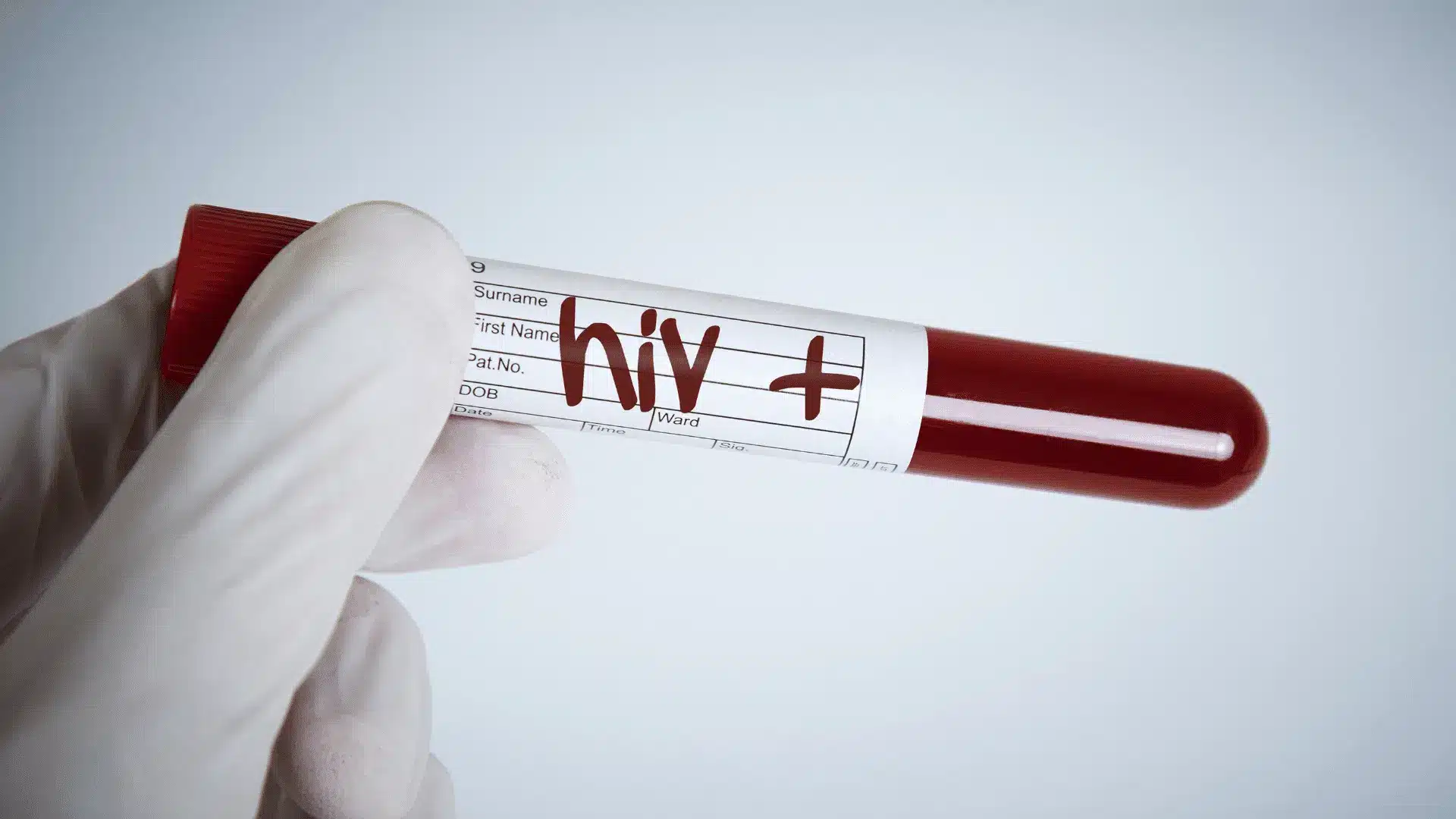
Modern treatment of HIV means that those affected can anticipate a normal life expectancy. Young couples with HIV, however, have unique reproductive challenges. There are concerns about disease transmission to the uninfected partner or to the unborn child. There are other concerns about the effect of HIV and its treatment on reproductive capacity. These matters raise a lot of anxiety when those affected with HIV start contemplating conception.
Couples, where one partner has HIV while the other remains uninfected, are referred to as ‘discordant’. Once a decision to pursue pregnancy is made, it’s best to consult with your HIV physician first. This is to ensure optimal HIV management, good overall health status, and planning for continued care during pregnancy. The HIV physician should also refer the couple to a fertility specialist with expertise in dealing with HIV discordant individuals.
A fertility evaluation may be done depending on prior reproductive health assessments for each partner. A plan for safe conception is then drawn up. Whoever is infected should have undetectable HIV virus levels prior to embarking on conception. HIV medication should not be stopped, and the regimen used should only be changed with the advice of the HIV specialist.
Several strategies can be advised:
-
Timed unprotected intercourse can be done at the time of ovulation, when conception is most likely. This limits exposure to the uninfected partner. Unprotected intercourse may also be combined with preventive HIV medication for the uninfected partner.
-
If the male is infected, a technique known as sperm washing can also be an alternative. This is then combined with a technique called insemination, which limits potential HIV transmission.
-
If the fertility evaluation shows the need for advanced fertility treatment, such as in vitro fertilisation (IVF), this can also be done. Several advanced fertility treatment techniques aimed at preventing HIV transmission already exist.
There are additional precautions during pregnancy, when the female is the infected partner. These further limit the risk of HIV transmission to the developing baby. Antenatal care must be done under the supervision of both the HIV specialist and an obstetrician. Most women will still be suitable for a normal vaginal delivery. Further preventive strategies are usually advised once the baby is delivered.
Current HIV treatment and safer conception strategies equate to hardly any HIV transmission to uninfected partners. Similar safer conception principles apply when both partners have HIV. The ideal is a planned pregnancy rather than a random conception. This ensures conception when the risk of HIV transmission is negligible and unlikely.
Affected couples who don’t want to conceive should use effective contraception. Even though condoms provide dual protection, they may not be as effective for pregnancy prevention. Long-term contraceptive methods are very effective and are suitable for most couples. You should always discuss with your HIV care team about contraceptive methods that best suit you.
Dr Alfred Murage, Consultant Gynaecologist and Fertility Specialist.
