
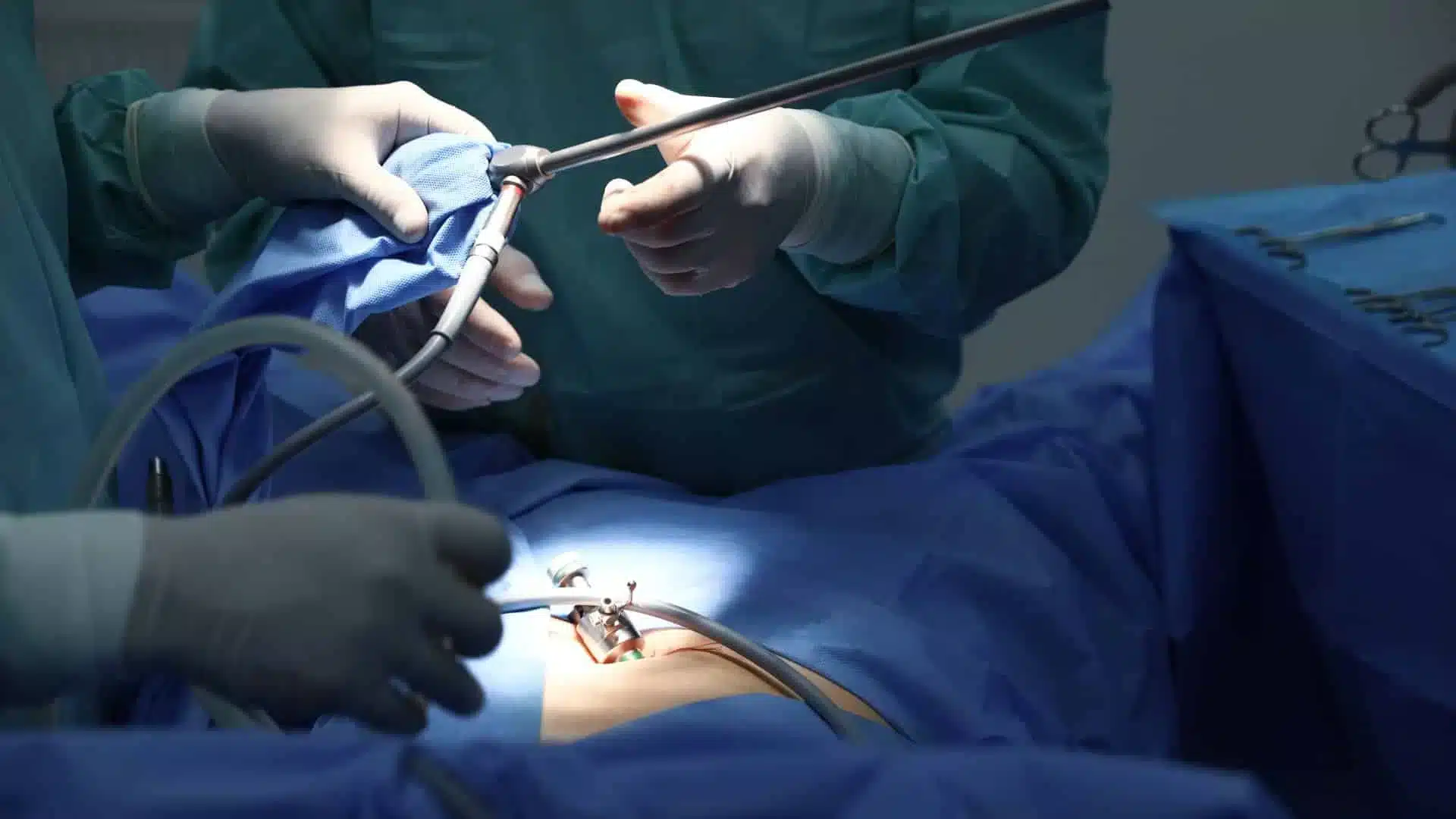
Laparoscopy and hysteroscopy are minimally invasive surgical procedures used in the diagnosis and treatment of certain female factor infertility conditions.
Laparoscopy:
- Purpose: Used for both diagnostic and operative purposes to examine and treat conditions affecting the pelvic organs, such as the uterus, fallopian tubes, and ovaries.
- Procedure: A laparoscope, a thin, lighted tube with a camera, is inserted through a small incision in the abdomen to view the pelvic organs.
- Uses: Can diagnose and treat conditions like endometriosis, ovarian cysts, fibroids, and pelvic adhesions.
Hysteroscopy:
- Purpose: Used to diagnose and treat uterine conditions by providing a view inside the uterus.
- Procedure: A hysteroscope, a thin, lighted tube, is inserted through the vagina and cervix into the uterus.
- Uses: Can diagnose and treat abnormalities such as polyps, fibroids, and adhesions within the uterine cavity.
Both procedures are minimally invasive and can be performed on an outpatient basis. They help improve fertility by diagnosing and treating conditions that may impair conception and pregnancy.
Here is a Laparoscopy and Hysteroscopy Patient Education Booklet by The American Society for Reproductive Medicine, in which you can learn a lot more about the use of these procedures.
