
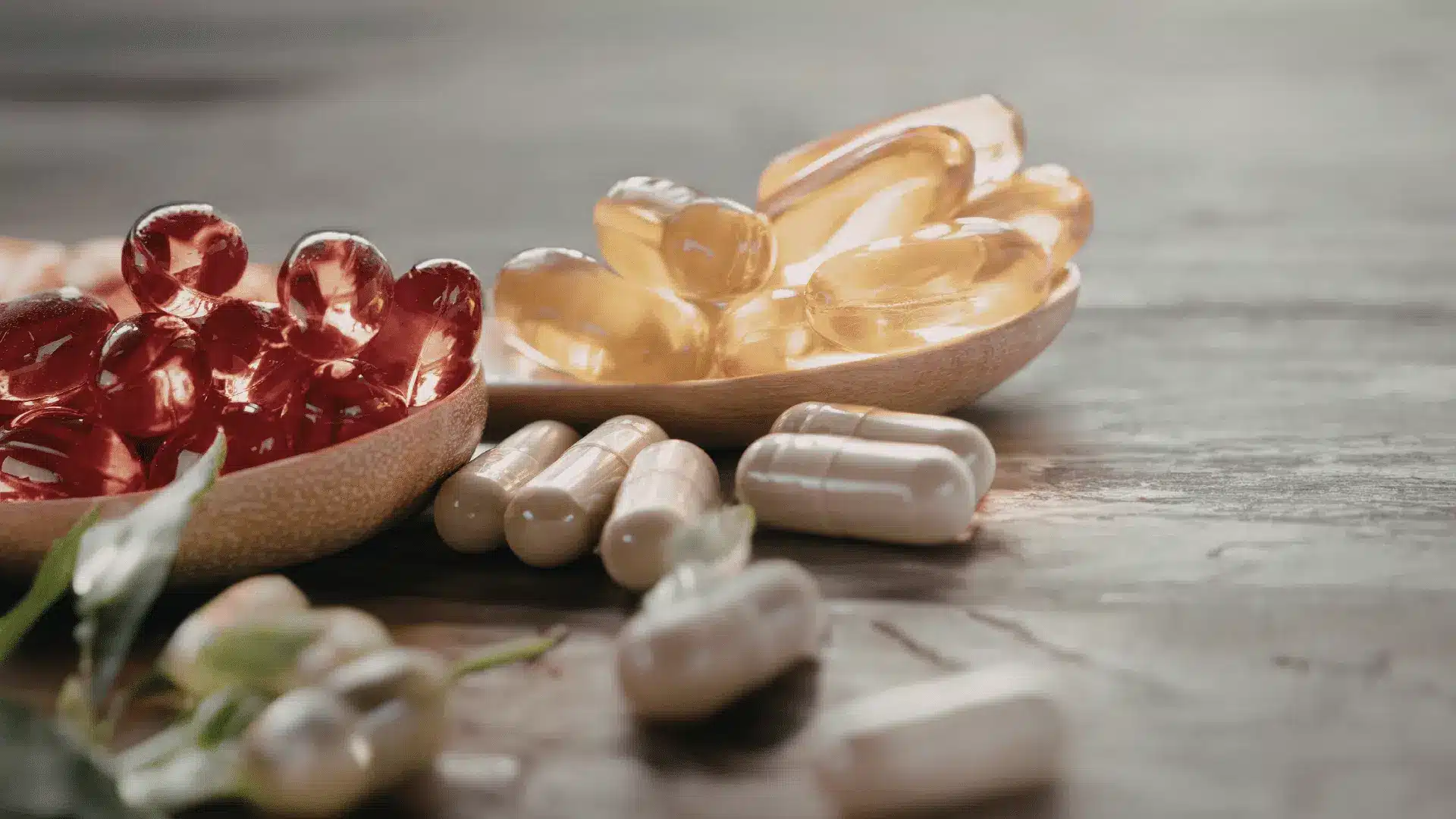
Nutritional supplements can play a vital role in improving fertility for both men and women by addressing deficiencies in the body that can affect fertility, such as hormonal imbalance and the conditions needed for conception. Key supplements include folic acid, zinc, vitamin D, and omega-3 fatty acids, which support hormonal balance, egg quality, and sperm health. However, supplements should complement a healthy lifestyle and medical advice. It’s essential to consult a healthcare professional before starting any supplement regimen to ensure it aligns with individual needs.
When trying to conceive, many people focus on ovulation tracking, fertility treatments, or lifestyle changes, but nutrition also plays an important role in reproductive health. While a balanced diet should remain the primary source of nutrients, supplements can help fill nutritional gaps and may be particularly beneficial before and during fertility treatment. Maintaining adequate levels of essential vitamins and minerals before conception may support egg quality, sperm health, hormone production, implantation, and a healthy pregnancy. Supplements should always be discussed with a healthcare provider, as individual needs vary and not every supplement is appropriate for everyone.
Why Nutrition Matters Before Pregnancy
Preparing for pregnancy begins well before conception. Although supplements are helpful, they are intended to complement, not replace, a nutritious diet rich in fruits, vegetables, whole grains, lean proteins, and healthy fats. It is recommended that women start taking some prenatal multivitamins at least one month before trying to conceive. Research shows that women who took prenatal vitamins before pregnancy experienced shorter times to conception and higher pregnancy rates than those taking only individual trace elements. Prenatal vitamins also appear to reduce the risk of ovulatory infertility, particularly when they contain adequate folic acid.
RECOMMENDED SUPPLEMENTS FOR FERTILITY HEALTH
Folic Acid (Vitamin B9)
Folic acid is one of the most important nutrients during the preconception period. While it is widely recognised for preventing neural tube defects during early pregnancy, it may also improve fertility itself. Adequate folic acid intake has been associated with increased chances of natural conception and improved outcomes during fertility treatment. It may also enhance sperm quality in men. Women trying to conceive may consume between 400 and 1,000 micrograms daily, while men should aim for approximately 400 micrograms per day. Methylated folate is suggested as a preferred form for some individuals.
Vitamins B6 and B12
These B vitamins play essential roles in cell growth, hormone regulation, and reproductive function in both men and women. Vitamin B6 may help improve hormonal balance, reduce premenstrual symptoms, and support regular ovulation. Vitamins B6, B12, and folate have also been linked to lower homocysteine levels, which may improve the chances of conception in women with recurrent pregnancy loss. For men, higher vitamin B12 intake has been associated with improved semen quality. Approximately 1.2 to 1.4 mg of vitamin B6 daily and around 1,000 micrograms of vitamin B12 are recommended weekly.
Myo-Inositol and D-Chiro-Inositol
Myo-inositol and D-chiro-inositol are particularly beneficial for women with polycystic ovary syndrome (PCOS). These naturally occurring compounds help regulate insulin signalling and ovarian function, supporting follicle development and ovulation. By reducing insulin resistance, they may help restore more regular ovulation and improve fertility. During pregnancy, they may also help reduce the risk of gestational diabetes. A suggested dose of 2,000 mg twice daily for women with PCOS is recommended under medical supervision.
Vitamin C
Vitamin C is a powerful antioxidant that protects reproductive cells from damage caused by free radicals. In women, it may help reduce oxidative stress associated with ovarian ageing and has been linked with shorter times to pregnancy. In men, vitamin C, particularly when combined with vitamin E, has been shown to improve sperm count, motility, and DNA quality. A minimum daily intake of 75 mg for women and 90 mg for men is recommended, although higher supplemental doses may be appropriate for some individuals under medical guidance.
Vitamin D
Vitamin D supports hormone production and has been associated with improved fertility outcomes in both men and women. Adequate vitamin D status has been linked with improved pregnancy rates, healthier hormone regulation, and better semen quality. Vitamin D deficiency is quite common, and testing levels before starting supplementation is recommended for correct dosing. Daily supplementation of 2,000 to 4,000 IU may be recommended for individuals who are deficient, although dosage should be guided by a healthcare professional.
Vitamin E
Best known for its role in skin health, vitamin E also functions as an important antioxidant within the reproductive system. By protecting cell membranes from oxidative damage, it may improve egg quality in women and sperm quality in men. Vitamin E may be especially important for women over the age of 35, when egg quality naturally begins to decline. Mixed tocopherol preparations providing 200 to 400 IU daily are suggested.
Omega-3 Fatty Acids
Omega-3 fatty acids contribute to healthy cell membranes, reduce inflammation, and support hormone production. They are beneficial for both male and female fertility, with possible improvements in egg quality, embryo development, and sperm function. These healthy fats also contribute to foetal brain and eye development once pregnancy occurs, making them valuable both before and during pregnancy.
Coenzyme Q10 (CoQ10)
CoQ10 is involved in cellular energy production and acts as an antioxidant. As eggs require large amounts of energy during maturation, CoQ10 supplementation may improve egg quality, particularly in older women or those with diminished ovarian reserve. In men, CoQ10 has also been associated with improvements in sperm concentration, movement, and overall quality.
Iron
Iron is essential for producing healthy red blood cells and transporting oxygen throughout the body. Scientific studies have shown that iron deficiency has been associated with ovulatory infertility. Long-term observational research has suggested that women taking iron supplements had a lower risk of ovulation-related infertility. Iron supplementation is generally guided by ferritin levels and other blood tests to avoid unnecessary supplementation.
Selenium
Selenium is a trace mineral with powerful antioxidant properties. It helps produce glutathione, an important antioxidant that protects reproductive cells from damage. Adequate selenium levels may reduce the risk of pregnancy complications, while also supporting sperm motility and overall sperm quality in men. Recommended intake is approximately 55 micrograms daily for both men and women.
Should Everyone Take Fertility Supplements?
We cannot stress enough that fertility supplements are not a substitute for a healthy lifestyle or medical evaluation. Many people obtain sufficient nutrients from a balanced diet, while others may benefit from targeted supplementation depending on their nutritional status, age, underlying medical conditions, or fertility diagnosis. Because supplements can interact with medications or be unnecessary in certain situations, they should always be reviewed with a fertility specialist or healthcare provider before use. Some supplements that are helpful before conception may also need to be stopped once pregnancy is confirmed.
Key Takeaway
Nutrition is an important part of preparing for pregnancy, and certain vitamins and supplements may support fertility by improving hormone balance, egg and sperm quality, reducing oxidative stress, and promoting a healthy pregnancy. Folic acid, vitamins B6, B12, C, D and E, myo-inositol, omega-3 fatty acids, CoQ10, iron, and selenium are some of the nutrients with potential fertility benefits. However, supplements work best when combined with a balanced diet, healthy lifestyle, and personalised medical advice. Before starting any supplement regimen, consult your fertility specialist to determine which nutrients are appropriate for your individual reproductive health and treatment plan.
These guidelines have been adapted from this article by Progyny.
