
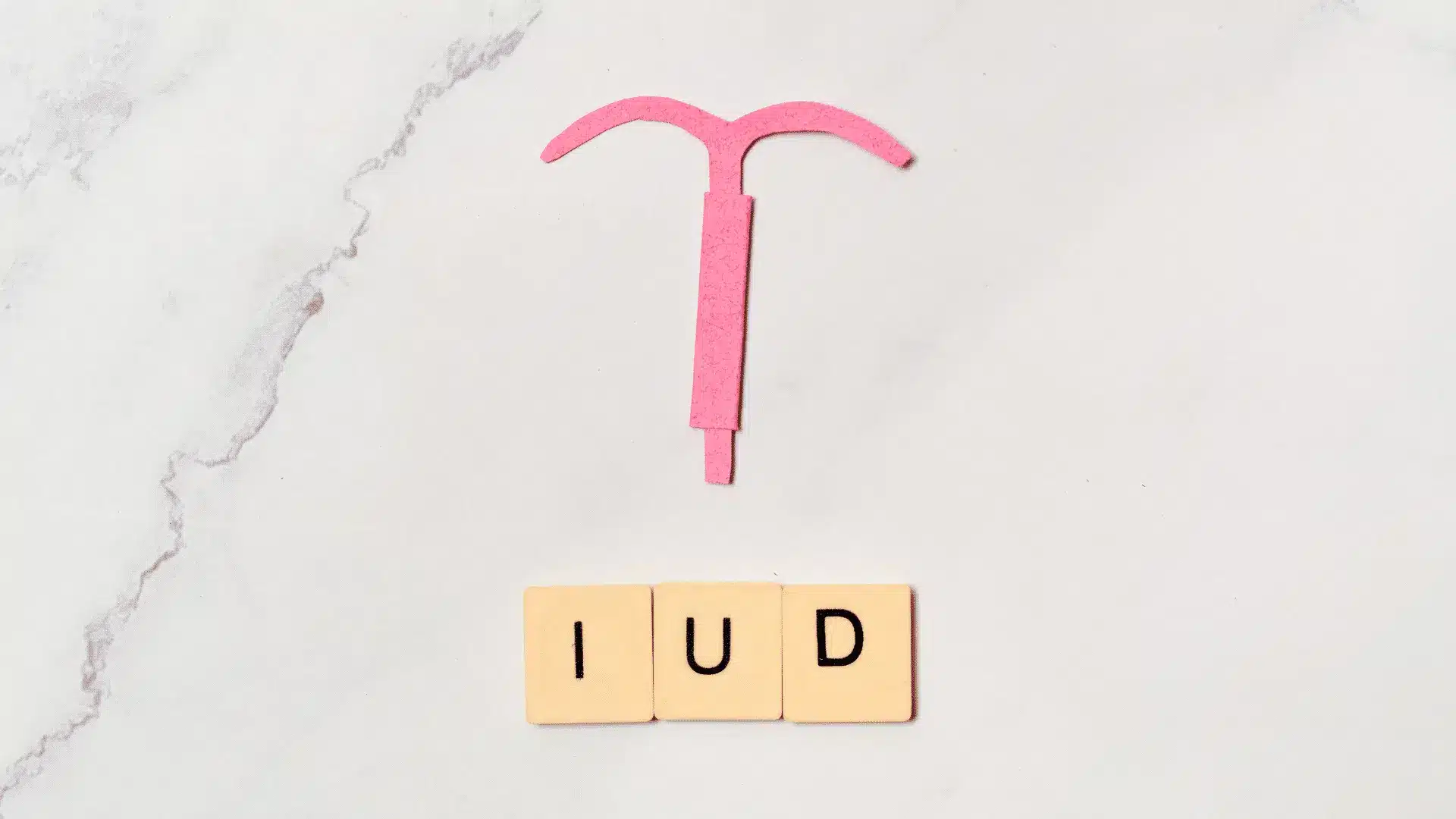
An Intrauterine device (IUD) is a very effective, reversible birth control method. There are two types: copper and hormonal. Both are T-shaped and inserted into the uterus. The copper IUD releases copper, hindering sperm movement, while the hormonal IUD releases progestin, thickening cervical mucus and making it harder for sperm to get through. Neither primarily prevents ovulation like birth control pills.
How IUDs Work & Why Fertility Returns Quickly
- IUDs are one of the most effective reversible birth control methods, including copper IUDs and hormonal IUDs.
- Unlike many hormonal contraceptives that suppress ovulation, neither copper nor hormonal IUDs primarily stop ovulation. Instead, they prevent pregnancy by interfering with sperm movement, fertilisation, or, in the case of hormonal IUDs, by thinning the uterine lining and thickening cervical mucus. Because ovulation isn’t suppressed, fertility typically returns quickly after removal.
How Soon Can You Get Pregnant After an IUD Removal
Immediate Fertility Return
You can get pregnant as soon as the IUD is removed. Once the device is taken out, sperm can reach the uterus normally and fertilise an egg in that cycle. Many experts say that it’s possible to conceive in the very first menstrual cycle after removal, meaning pregnancy could happen that month if ovulation occurs and intercourse happens at the right time.
Copper vs Hormonal IUDs
- With a copper IUD, no hormones are released, so fertility might return immediately upon removal since there is no hormonal adjustment needed.
- With a hormonal IUD, most people continue ovulating normally even while it’s in place, so they’re also generally able to conceive right after removal. However, menstrual cycles and ovulation timing may be slightly irregular initially as the uterus and hormonal patterns re-stabilise.
Typical Time Frames to Conception After Removal
- Most people will conceive within the first year of trying after IUD removal, similar to the general population’s fertility patterns. Statistics from studies show many individuals conceive within four to six months after removal when actively trying, and by one year, a high percentage (often around 85 – 90 %) conceive naturally. Fertility trends after IUD removal are similar to those of people who haven’t used an IUD, indicating the device does not impair long-term fertility.
- Pregnancy rates after IUD removal are similar to other methods. Hormonal birth control methods like the pill can take around three months for fertility to return, while the Depo-Provera shot can take up to a year.
- If pregnancy doesn’t occur right away after IUD removal, this is often due to general fertility factors rather than the IUD itself. If someone under age 35 has not conceived after one year of trying (or after six months if age 35 or older), they are generally advised to speak with a health care provider to explore potential fertility concerns.
Factors That Influence Time to Pregnancy
- Age & Fertility
Age remains one of the most significant factors: younger individuals typically conceive faster than those who are older, due to natural declines in egg quality and quantity with age.
- Underlying Health Conditions
Factors outside of IUD use, such as hormonal imbalances, ovulatory disorders (e.g., PCOS), or issues with reproductive anatomy, can affect how quickly someone conceives, just like in the general population.
What to Expect After Removal
- The Removal Procedure
IUD removal is a quick, in-office procedure performed by a health care provider. Spotting or mild cramping afterwards is common, but most people resume normal activity right away. Contact a healthcare provider for severe symptoms.
- Menstrual Cycle After Removal
Some people will get their period soon after removal, while others, especially those coming off a hormonal IUD, may have irregular cycles for a short period as hormones rebalance.
No Increased Risks From Prior IUD Use
- There’s no evidence that having had an IUD increases pregnancy risks after removal. Prior IUD use doesn’t harm future fertility or make pregnancy more complicated once the device is out.
- However, becoming pregnant with an IUD still in place can carry a slightly higher risk of complications, such as ectopic pregnancy or miscarriage, which is why providers remove an IUD if pregnancy is detected before removal.
Key Takeaways
- Fertility usually returns quickly after IUD removal because the device doesn’t stop ovulation.
- Conception can happen in the first cycle after removal, though timelines vary.
- By four to six months, many conceive, and most will do so within a year if there are no other fertility issues.
- Prior IUD use, whether copper or hormonal, does not harm long-term fertility.
Caution
Use backup birth control if you’re not ready for pregnancy after IUD removal.
This Complete Guide to Pregnancy After IUD Removal by Parents is a great read for further insights into this topic.
