
Positive signs after embryo transfer can mimic menstruation. Why and what to do next:

Positive signs after embryo transfer can mimic menstruation. Why and what to do next:
Metformin—a common diabetes drug—can steady hormones in PCOS, sparking regular ovulation and raising the odds of pregnancy.
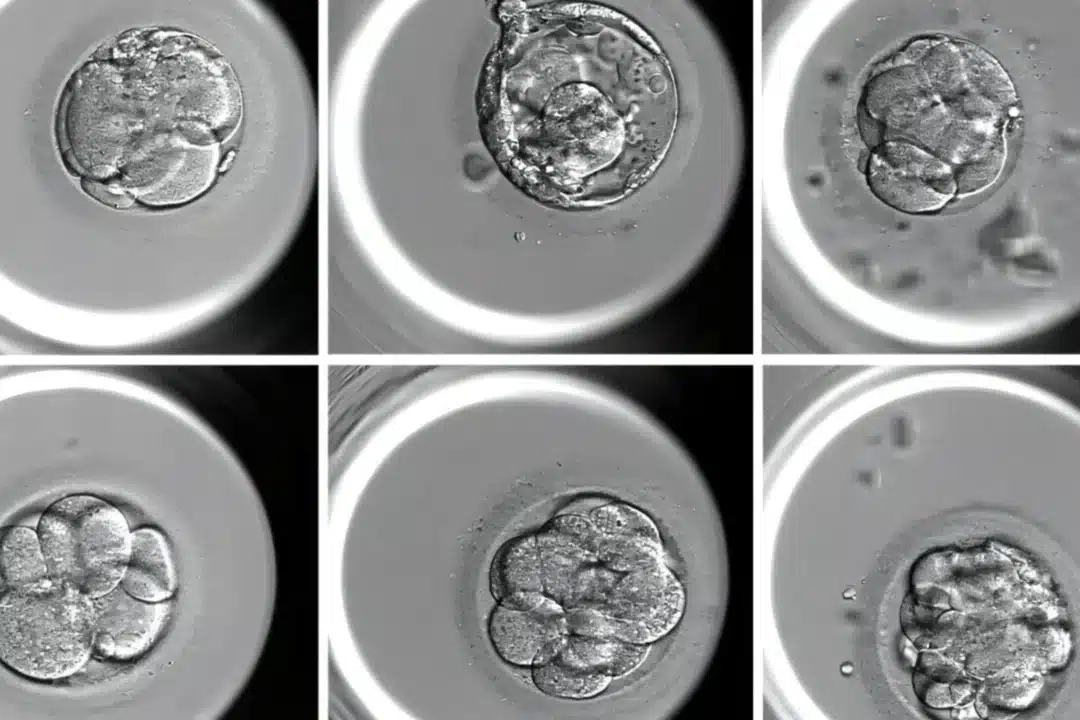
Embryo grading predicts IVF success by visually ranking Day-3 and blastocyst embryos, but genetics testing and uterine readiness remain crucial.
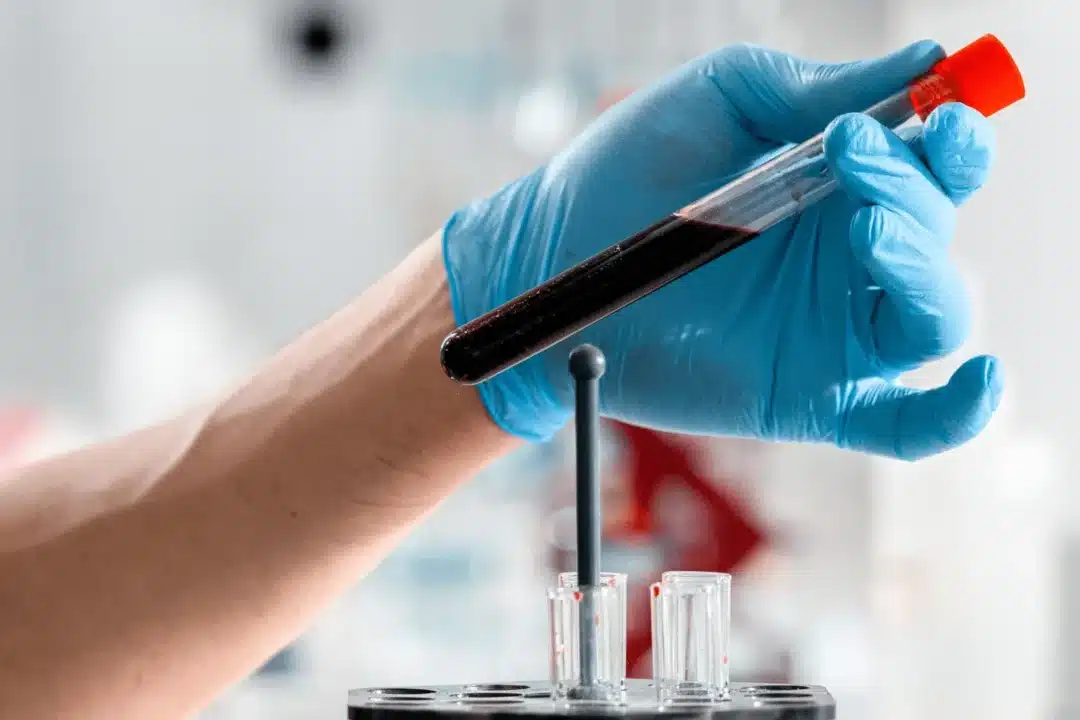
An AMH blood test gauges ovarian reserve, guiding fertility treatment and preservation decisions, but it can't predict egg quality or pregnancy.
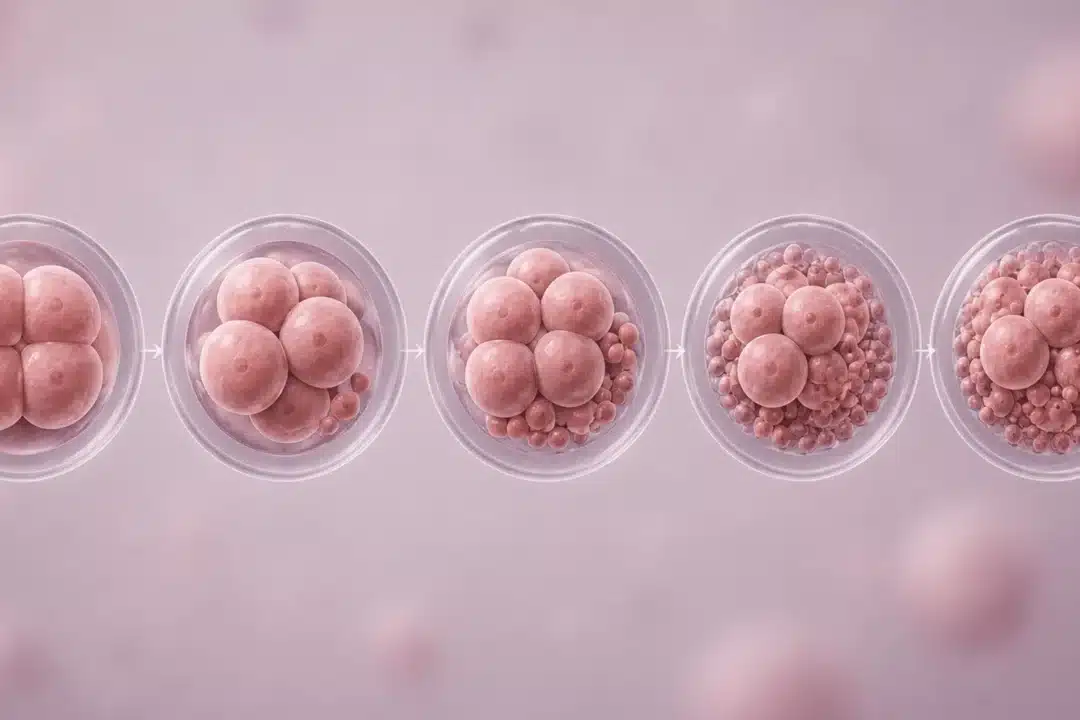
Embryo fragments are normal, but excess pieces can hinder implantation—learn what embryo fragmentation means for your IVF journey.

Diabetes can impair fertility: in women it disrupts ovulation, cycles and may hasten menopause; in men it damages sperm DNA and motility.

Pregnancy after 35 isn’t ‘geriatric’—though risks like gestational diabetes rise, modern screening and care let many have healthy babies.

Secondary infertility is when couples who’ve conceived before struggle again; ovulation or sperm issues are common, but IUI / IVF could help.

After egg collection, you’ll be given hormone medicines to help prepare the lining of your womb to receive the embryo. This is usually given either as a pessary placed inside your vagina, an injection, or a gel. In the meantime, the retrieved eggs are fertilised with sperm in a lab, and the resulting embryos are...

HOPE ON ICE: Safeguarding Parenthood and Rewriting Futures through the Science of Fertility Preservation As fertility specialists, we frequently receive inquiries from individuals and couples grappling with the emotional and practical implications of preserving their fertility. One poignant message came from a young woman who shared her struggle with a recent cancer diagnosis. She expressed...

Get in touch today to learn more about how you can start your fertility journey.