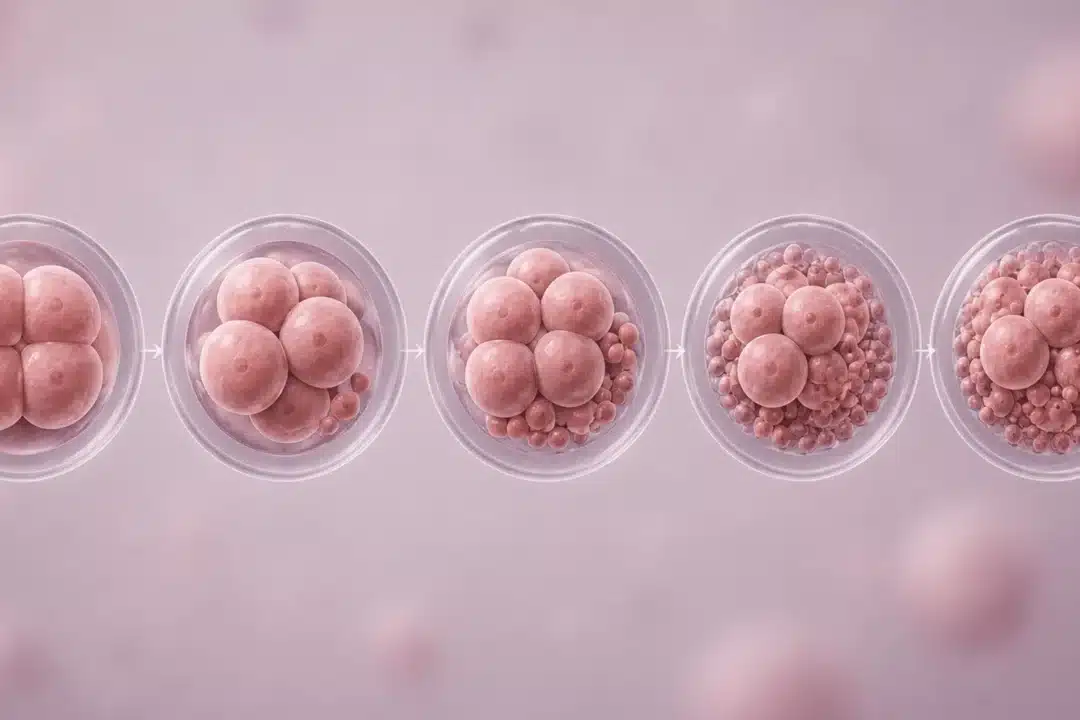
Embryo fragments are normal, but excess pieces can hinder implantation—learn what embryo fragmentation means for your IVF journey.

Embryo fragments are normal, but excess pieces can hinder implantation—learn what embryo fragmentation means for your IVF journey.

Yes, smoking weed can potentially reduce your chances of getting pregnant, particularly for women - impacting ovulation and menstrual cycles.

Diabetes can impair fertility: in women it disrupts ovulation, cycles and may hasten menopause; in men it damages sperm DNA and motility.

Secondary infertility is when couples who’ve conceived before struggle again; ovulation or sperm issues are common, but IUI / IVF could help.

While your 20s are generally considered a time of peak fertility, infertility can still occur, and it’s important to be aware of potential causes and when to seek help. Causes can include ovarian dysfunction, polycystic ovary syndrome (PCOS), tubal issues, or male factor infertility. Here’s a breakdown of key things to know about infertility in...
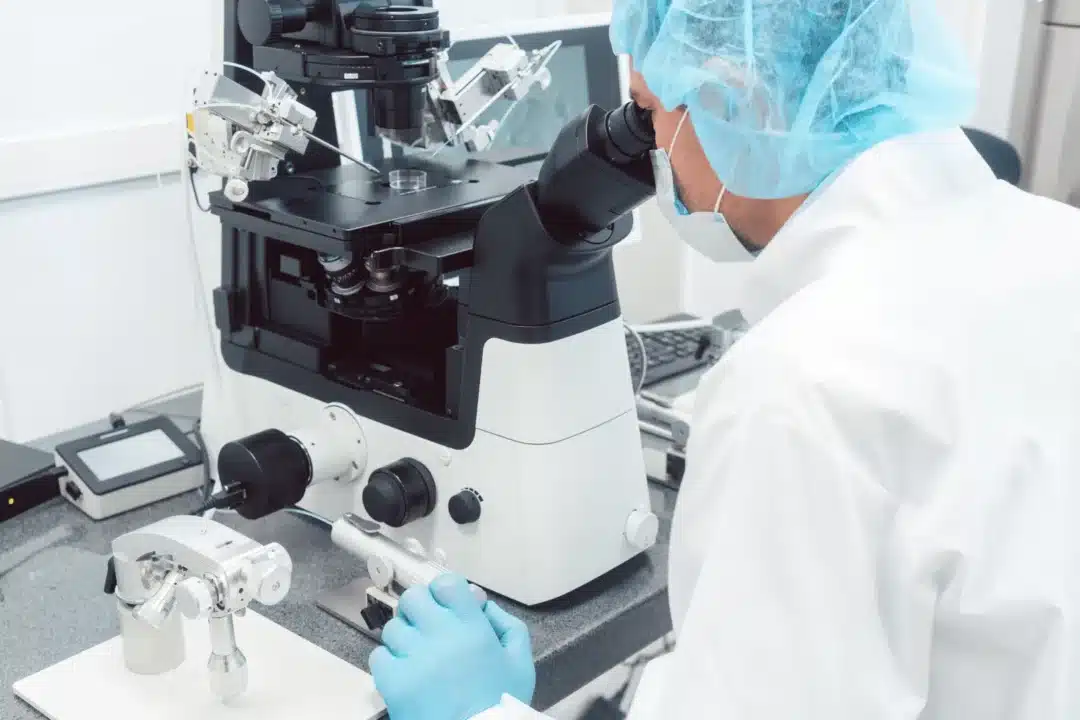
IVF failure can happen for various reasons, including poor egg or sperm quality, embryo abnormalities, implantation issues, or uterine problems. Other contributing factors may include age of the sperm, egg or uterus, lifestyle choices, or underlying health conditions. Endometriosis has also been cited for failed IVF. Sometimes, failed cycles result from issues that aren’t easily...

As we have discussed in some of our other articles, fertility naturally declines for both females and males around the age of 35 and 40, respectively. We have also mentioned, that lifestyle factors can have an impact on fertility, both positively and negatively. These factors include diet, exercise, emotional wellbeing and substance use. In the...

Harley Street Fertility Centre Kenya has various resources on how cancer and its treatments might affect your future fertility.
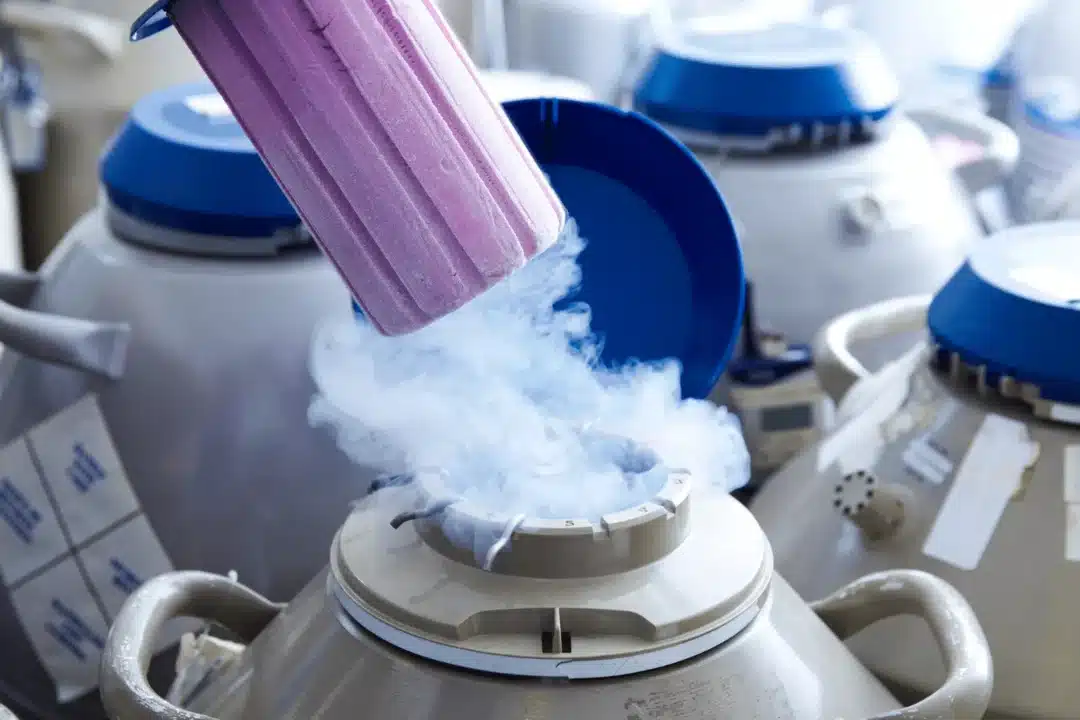
Fertility preservation helps cancer patients protect future fertility by freezing eggs, sperm or embryos before treatment that may harm reproduction.

The post-pandemic recession hits Kenyans hard, making the high cost of infertility treatments even more challenging for those seeking children.

Get in touch today to learn more about how you can start your fertility journey.