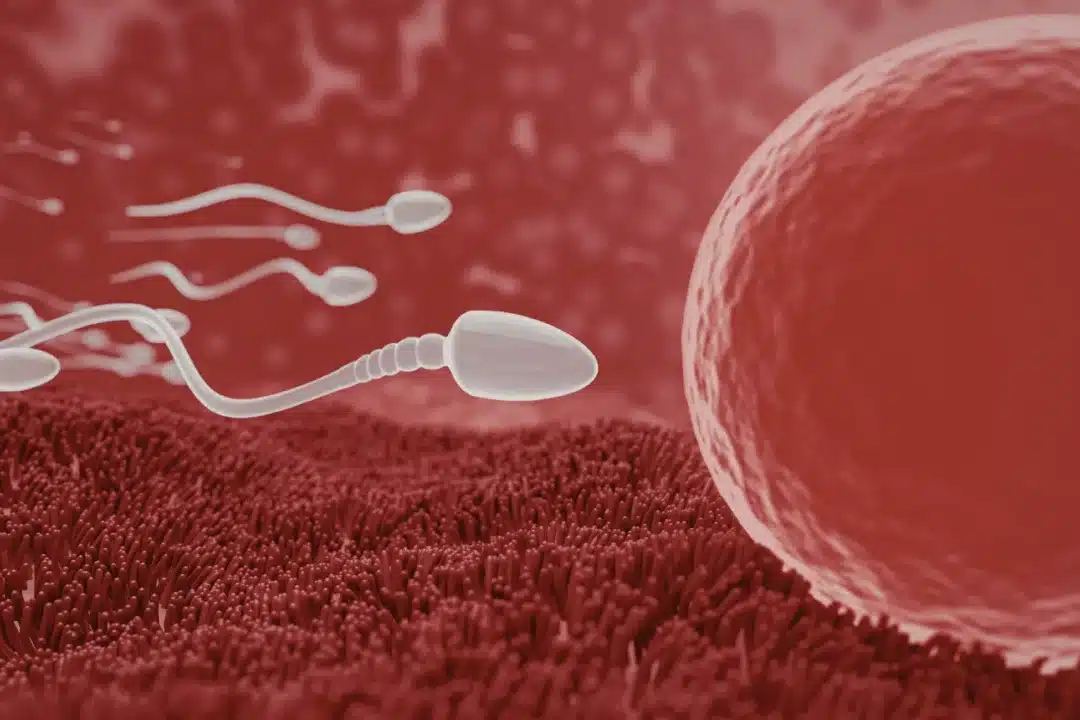
What’s the difference between IVF and IUI ?
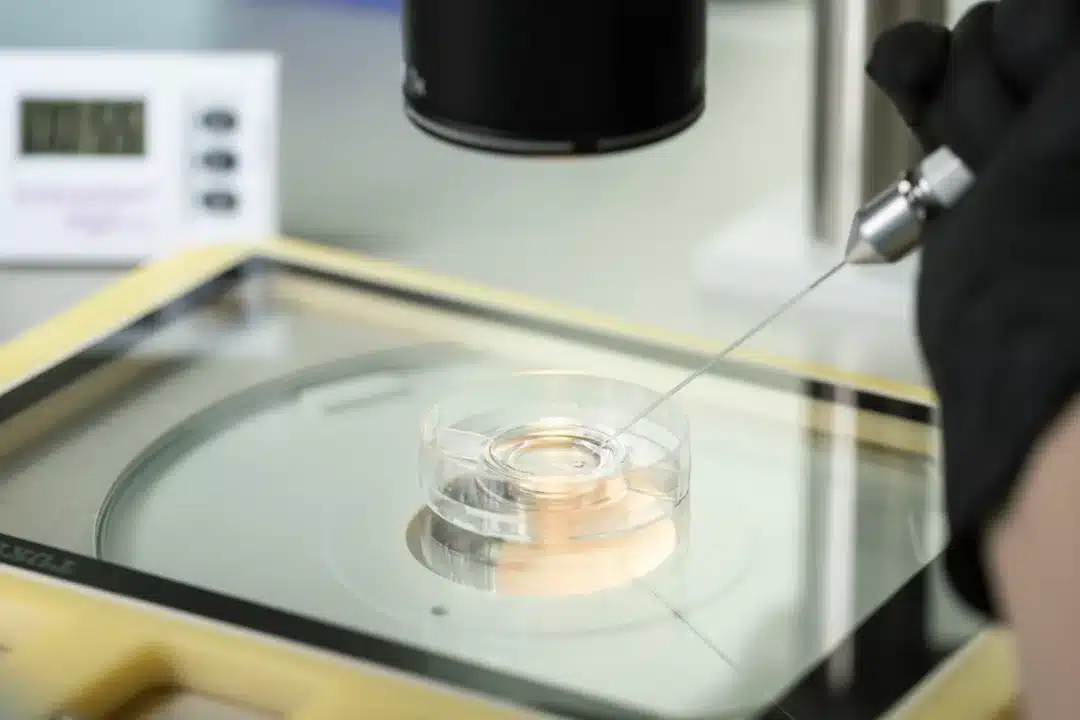
IUI inserts sperm into the uterus: simple, low-cost, lower success. IVF fertilises eggs in a lab: complex, costly, but with higher success rates.

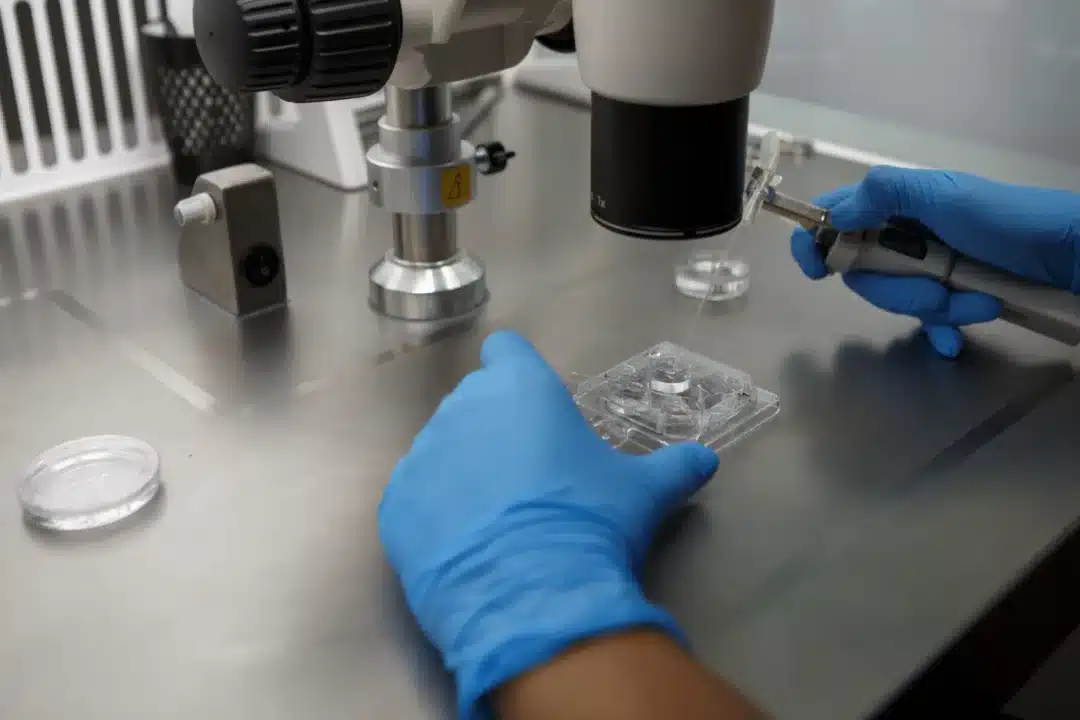
IVF success varies by age: ~40–50% under age 35, <10% over 40. Decline is due to egg quality, but multiple cycles or donor eggs can improve chances.
IVF enables pregnancy through managed stimulation, egg retrieval, fertilisation, embryo transfer, and testing, with frozen embryos for future use.
Oocyte activation triggers embryo development: failure prevents fertilisation, but AOA can help overcome this and improve IVF/ICSI outcomes.
Vitamin D deficiency can impair fertility, affecting eggs, sperm, IVF success and pregnancy; maintaining levels supports hormones and outcomes.
Autoimmune diseases harm fertility via inflammation and antibodies, while raising miscarriage and pregnancy complication risks.
Leave fertility myths behind: infertility is common and affects all genders. Science, empathy, and personalised care, not assumptions, lead the way.
Fertility assessment: Diagnosis involves several steps, beginning with a GP visit and progressing to more advanced tests or referrals.
Regularly using strong skin bleaching creams may throw your hormones off balance and make it harder to get pregnant.
Metformin—a common diabetes drug—can steady hormones in PCOS, sparking regular ovulation and raising the odds of pregnancy.